


When most of us hear “Georgia”, we picture summer, heat, wine, fruit, the sea, greenery and bright sun. Of course, in recent years its fast-growing ski resorts, especially Gudauri, have become well known. But if you are not a fan of active holidays and winter sports, like the skiers and snowboarders who flock here from all over the world in winter, you may not even realise how attractive Georgia is in winter.
So what is there for an ordinary tourist to do here in the cold season? Why plan a trip to this colourful land in winter at all, when you could come in summer and enjoy everything it is famous for? You will find the answers in this detailed article.
People who are surprised that anyone goes to Georgia in winter usually forget that winter is not frosty and snowy everywhere, as it is where they live. They imagine the harsh winter of their homeland, with sub-zero temperatures and layers of clothes, and forget that Georgia, though small, has a very varied climate.
Different altitudes, several climate zones and varied terrain create completely different weather in different corners of Sakartvelo. So winter in Georgia is different too. The best-known and most visited cities, Tbilisi, Batumi and Kutaisi, are certainly much warmer. Overall, the climate here is known for being mild.
Georgia in winter: in brief
- Weather in January: Tbilisi around +1…+2°C, Kutaisi around +5, Batumi around +7, ski resorts around −5. In the mountains of Svaneti and Javakheti it can drop to −20.
- Who it suits: those who want cities without heat and crowds, skiers, wine and food lovers, and anyone coming to celebrate New Year.
- Ski resorts: Gudauri, Bakuriani, Goderdzi, and Hatsvali and Tetnuldi in Svaneti.
- What can close: the road to Kazbegi over the Cross Pass in heavy snow, the Paravani Pass on the way to Vardzia, and mountainous Khevsureti and Tusheti.
- When choosing accommodation: check that there is proper heating.
Holidays in Georgia in winter
Is it worth going to Georgia in winter?
You may be surprised, but there are plenty of reasons to visit this unforgettable country at any time of year, including winter!
In short, here are some impressive advantages that give you a clearer idea of what winter in Georgia is like and whether it suits you:
- fewer tourists, both at the sights and in cafés and restaurants
- no exhausting heat
- 5 ski resorts
- mild weather (compared with Russia, Ukraine or Kazakhstan)
- wine and food tours, Georgian cooking classes
- beautiful churches and monasteries open all year round
- spa and mineral-water resorts
- lower prices for tours and accommodation than in high season
- the chance to celebrate New Year in Georgia the way locals do
- watching Georgian dances and even learning a few steps
- strolling through festively decorated Tbilisi
- visiting the famous sulphur baths and booking a mekise (scrub massage)
- and much more!
As for the downsides… in winter some routes may be closed. The road to Kazbegi may close because of snowfall, as may the Paravani Pass on the way to Vardzia. Remote regions such as Khevsureti are cut off for most of the year.
When planning a winter holiday in Georgia, check whether your accommodation has heating. Almost all decent places have it now, but it is better to be safe: some cheap flats are still heated by a single gas stove that can only warm one room. It depends on your expectations.
What to see in Georgia in winter
In the cold season Georgia is as beautiful and unique as ever. There are, of course, raw days, annoying winter rain and sometimes a piercing gusty wind. But on sunny, warm winter days the capital, warm Tbilisi, is simply irresistible. In mid-December you can often still see brown dry leaves on the trees that never fell in autumn.
Of course, snow is in short supply in many regions. In Tbilisi, and even more so in Batumi, it is a real rarity and an event when snow covers the streets. Around Tbilisi snow can lie for a week or two, but in the capital itself that almost never happens: a day or two, and everything melts.
Mtskheta is the former capital of eastern Georgia. People come here all year round, as it is the nearest place to Tbilisi with so many landmark historical sites.
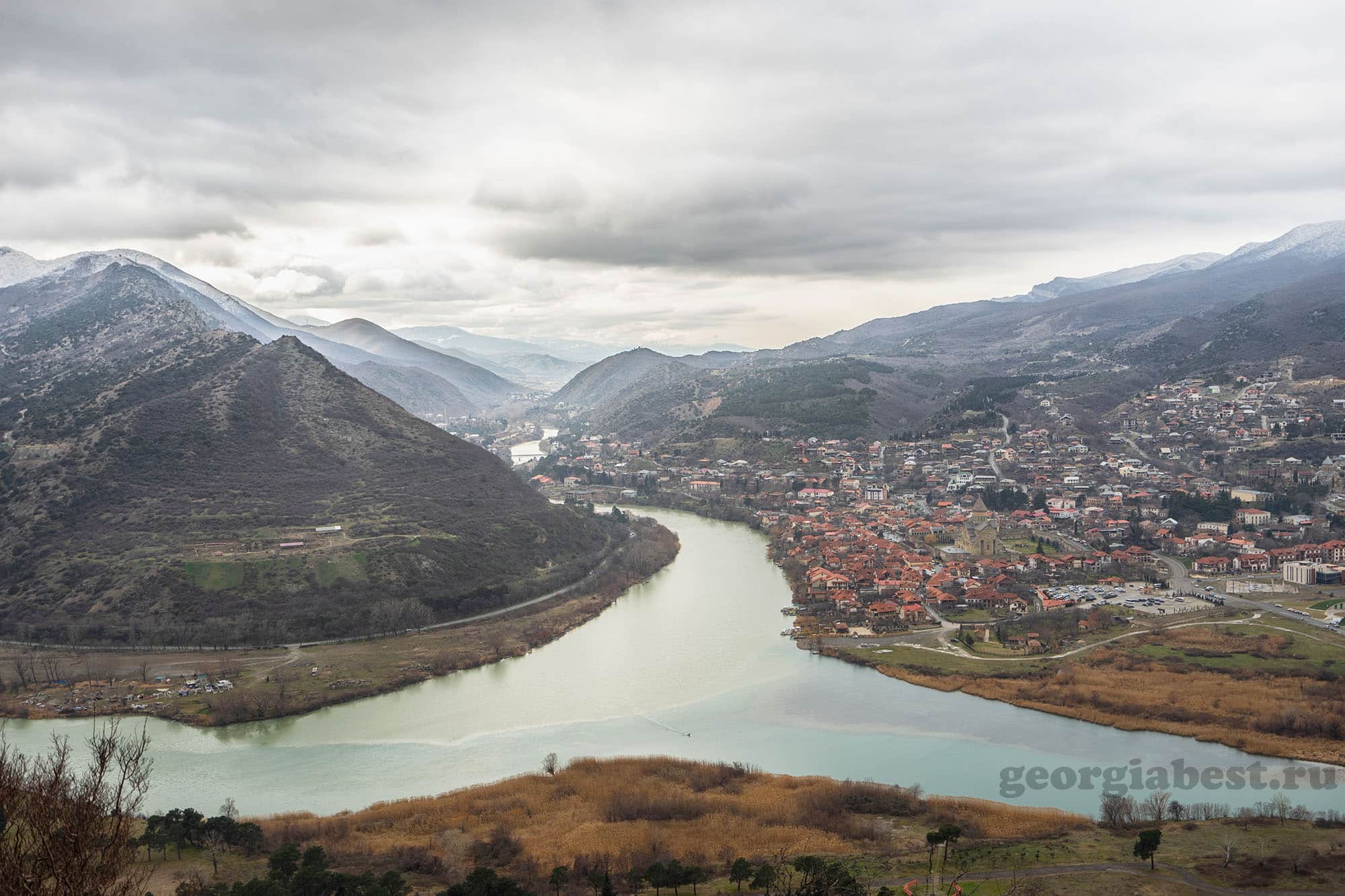
Jvari Monastery, Svetitskhoveli Cathedral, and the monasteries of Shiomgvime, Zedazeni and Samtavro. In the Orthodox world Mtskheta is revered as a second Jerusalem. According to legend, the robe of Jesus Christ is buried in Svetitskhoveli Cathedral. Beyond their spiritual significance, each of these places is interesting for its architecture and captivating views of the surrounding nature.
Jvari stands on a hill overlooking the confluence of two rivers, the Mtkvari (Kura) and the Aragvi, while Shiomgvime, nestled in a gorge just 10 km from Mtskheta, blends strikingly with the mountain landscape. If you climb up to Zedazeni Monastery, you will see the whole capital, the Tbilisi Reservoir, Mtskheta and the confluence of the Aragvi and Kura, the Aragvi gorge and the Trialeti range. An amazing place that is not over-promoted, and well worth a visit.
Getting to the main sights is easy: in winter, as at any other time, a tour along the Georgian Military Road is popular, if you have flown to Georgia. If you are travelling by car, this is exactly the road you will take, so you can see its beauty and make a few stops on the way.
You will be delighted by the medieval Ananuri Castle on the shore of the Zhinvali Reservoir, and you can visit the viewpoint on the Cross Pass. It sometimes closes because of heavy snowfall or avalanches. Do not worry: if you cannot enjoy the views from the viewpoint, you can make up for it at the Gudauri ski resort on the same road. In Gudauri you can take the cable car up to 3,300 metres, enjoy equally beautiful views, have lunch in a café or rent skis and have a go, even if you are not into active holidays and are not planning to stay long.
Borjomi is open all year round, with its lovely park, clean air and springs of the famous healing mineral water.
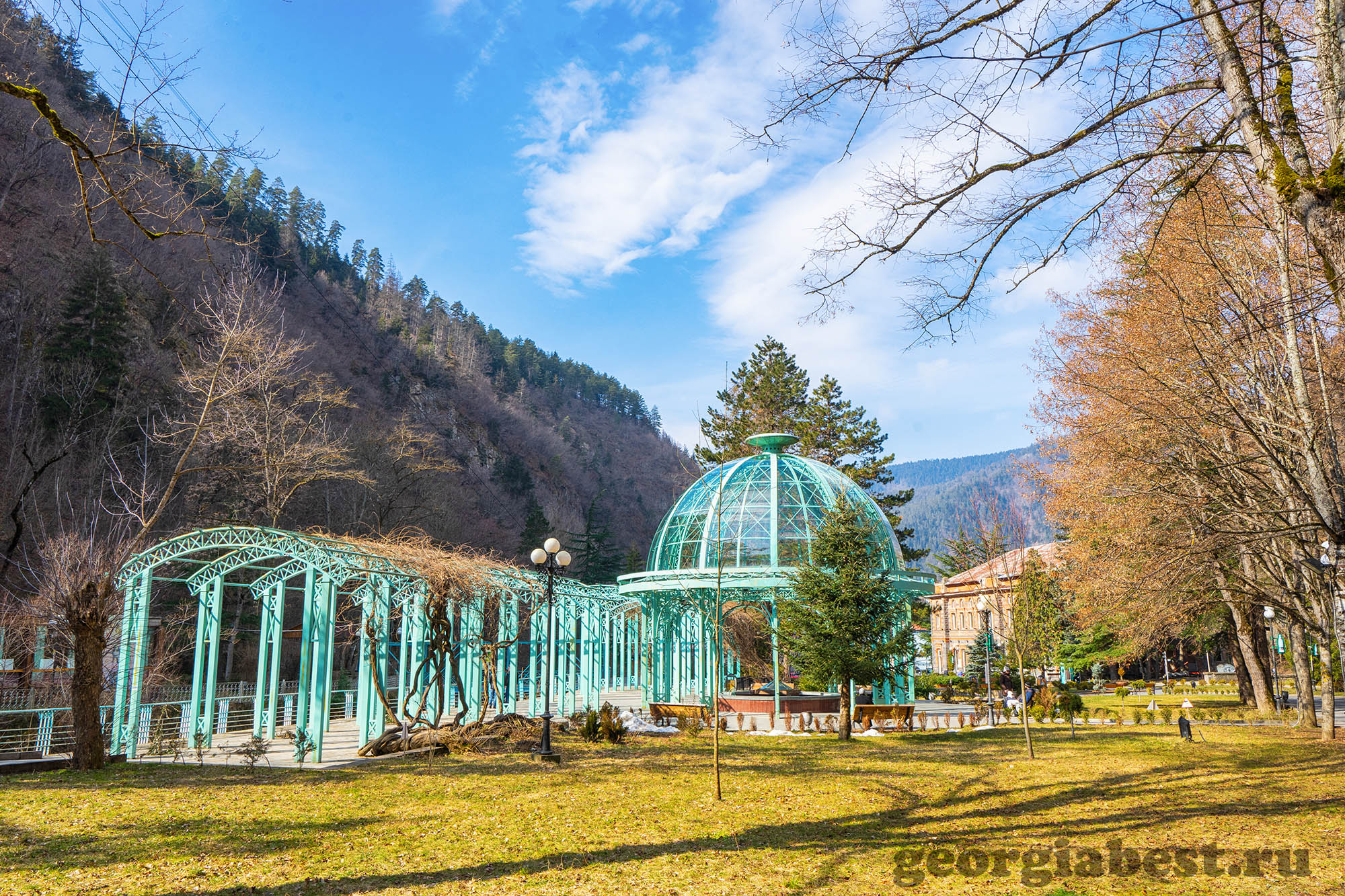
Even in winter you can bathe here in an open-air hot mineral-water pool at around +20°C, though there is often snow all around.
Visit Kutaisi with its unique Bagrati Cathedral, Prometheus Cave and Sataplia with its dinosaur footprints, and even warmer weather than in Tbilisi. Beautiful Batumi will charm you with its mild subtropical climate, empty promenade and old town with lovely architecture. Kakheti, with its wines and feasts, welcomes guests at any time of year.
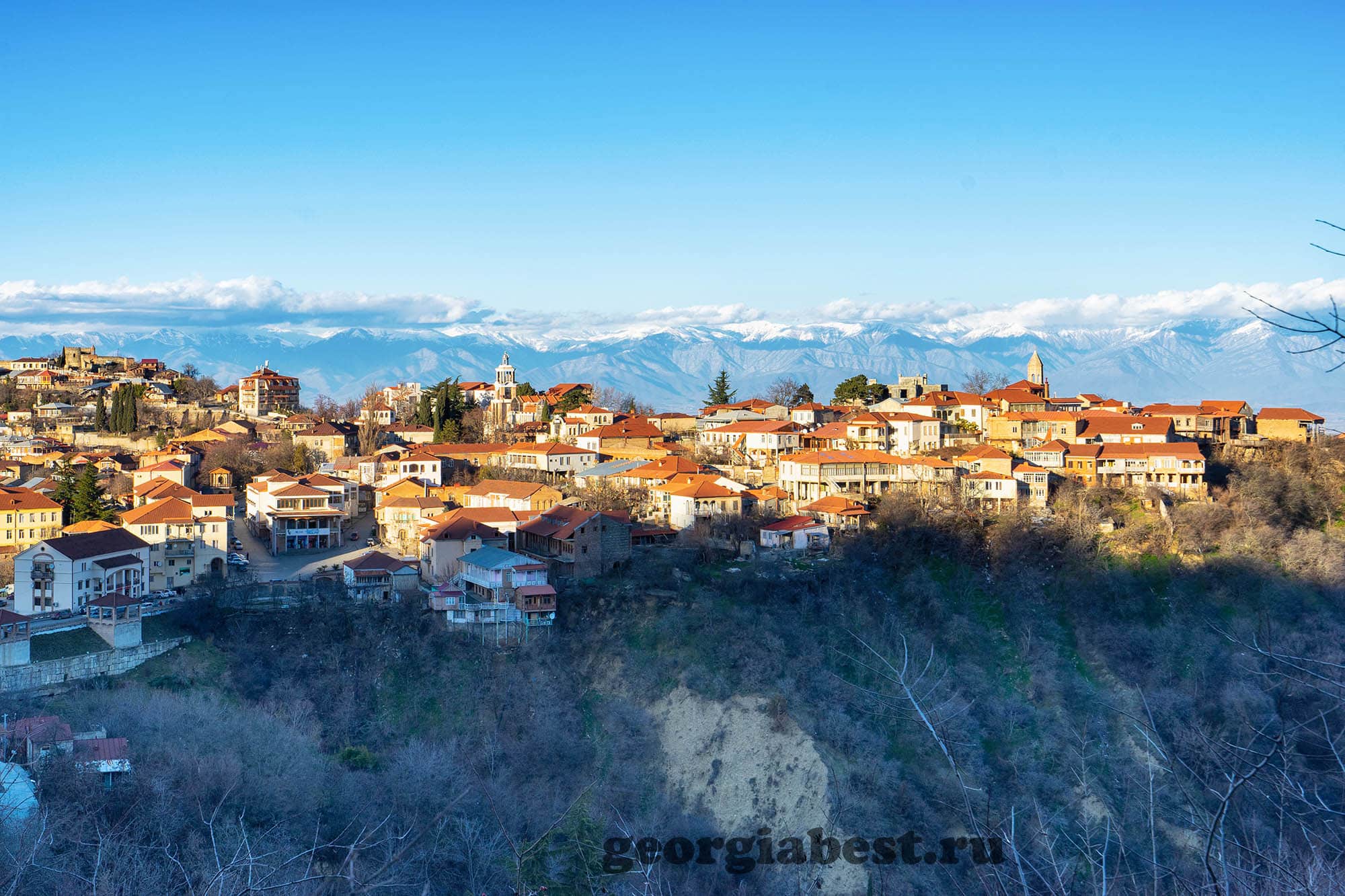
Here you will find the cosy, romantic “city of love” Sighnaghi with snow-capped mountains, the Alazani Valley with breathtaking views, and Telavi, where the much-loved film “Mimino” was shot. There are two ways to get here: over the Gombori Pass or along the Kakheti highway. Very occasionally the Gombori road is closed by heavy snow and only 4x4s are let through, but usually not for long.
In winter we recommend coming here by 4×4, especially if you want to drive both roads, for example one way along the Kakheti highway and back over Gombori. Or simply check the weather before you go: many local guides drive there in ordinary minivans, and overall the weather in Kakheti is very similar to Tbilisi’s, with a subtropical climate in most of it. The average January temperature is +1°C.
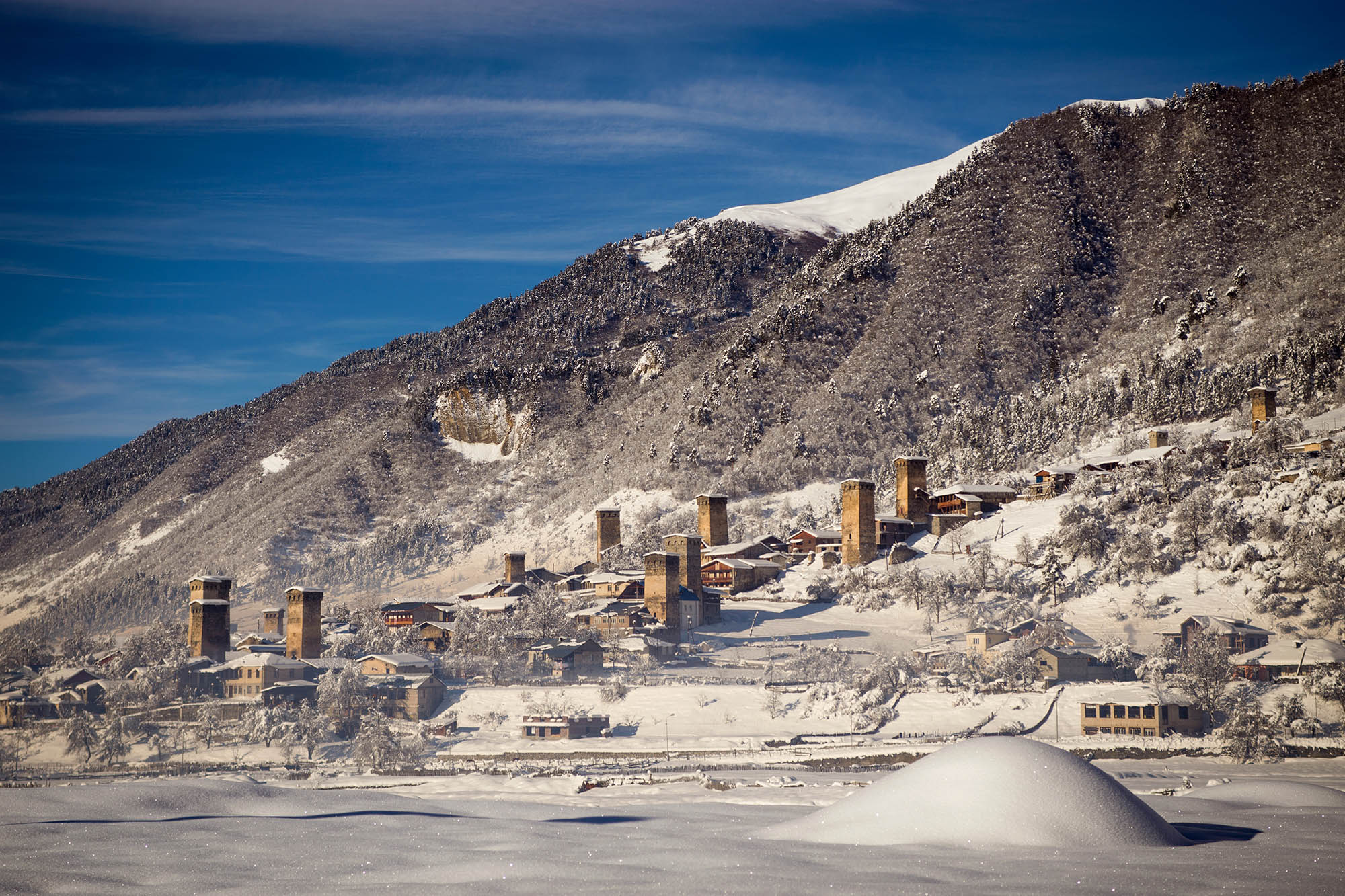
Snowy, distinctive Svaneti is also popular in winter. Many people come specially to celebrate New Year here with friends. Beautiful white mountains all around, silence and the harmony of harsh nature. Most tourists stay in Mestia, but there are options in nearby villages such as Latali. People come to this region for stunning views, solitude, closeness to nature, the unique Svan culture, natural food and, of course, skiing and snowboarding in Hatsvali or Tetnuldi.
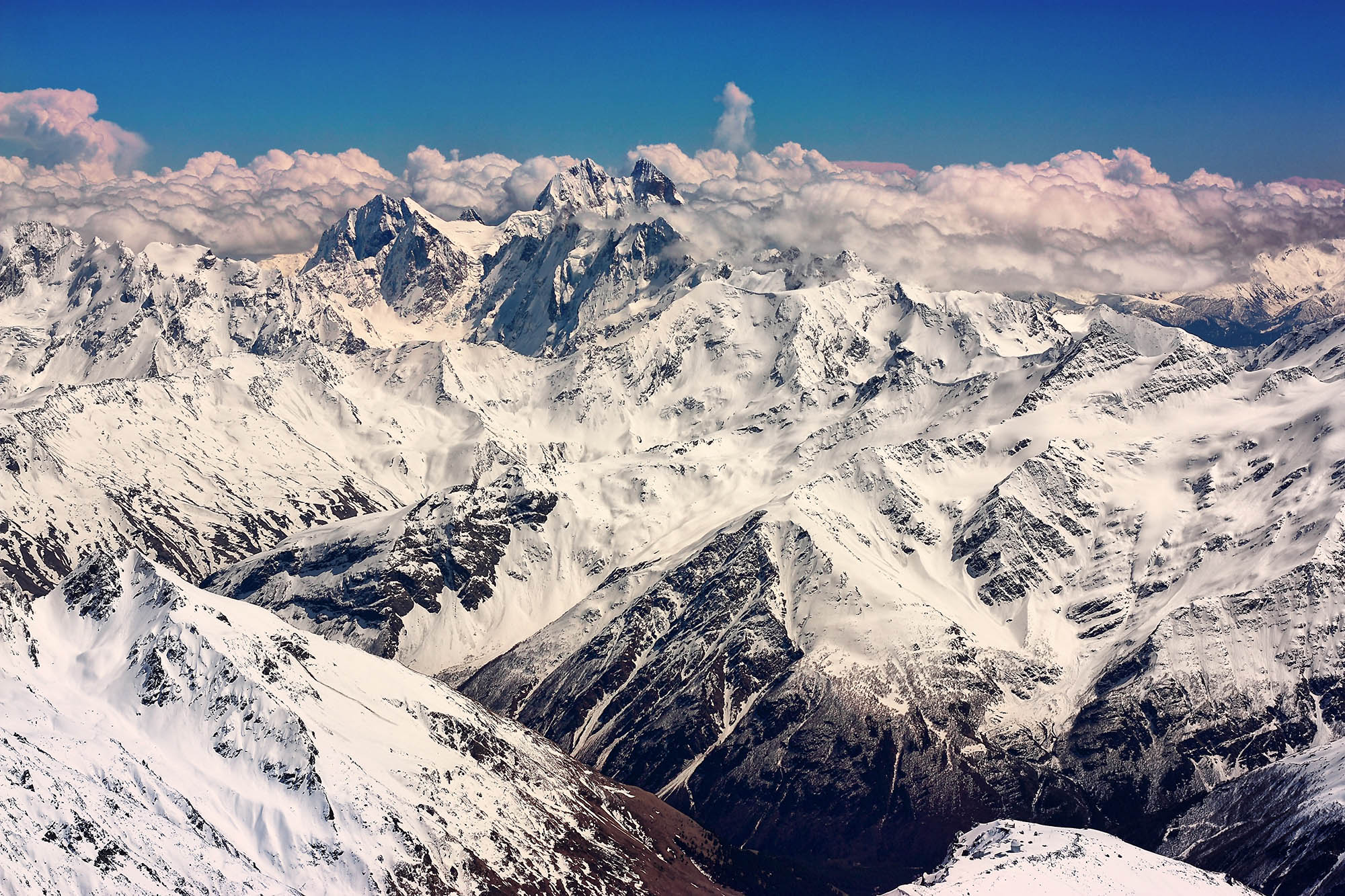
Georgia now has many developing spa and mineral-water resorts. In winter you can improve your health in Borjomi, Bakuriani or Sairme. As you can see, you have a huge choice of where to go in Georgia in winter and have a great time.
Photos of Georgia in winter
Georgia in December, as in any winter month, is no less beautiful than in summer. Snow-capped peaks, the sea, palm trees, lakes, persimmon trees with bright fruit, the carved balconies of Tbilisi’s colourful houses, a mix of ancient churches and fortresses with modern architecture… Better to see it once, as they say, and then, as often happens with guests of this amazing country, you will want to come back again and again to admire the beauty of Sakartvelo’s nature and architecture. You can find more ideas in our top 15 sights of Georgia.
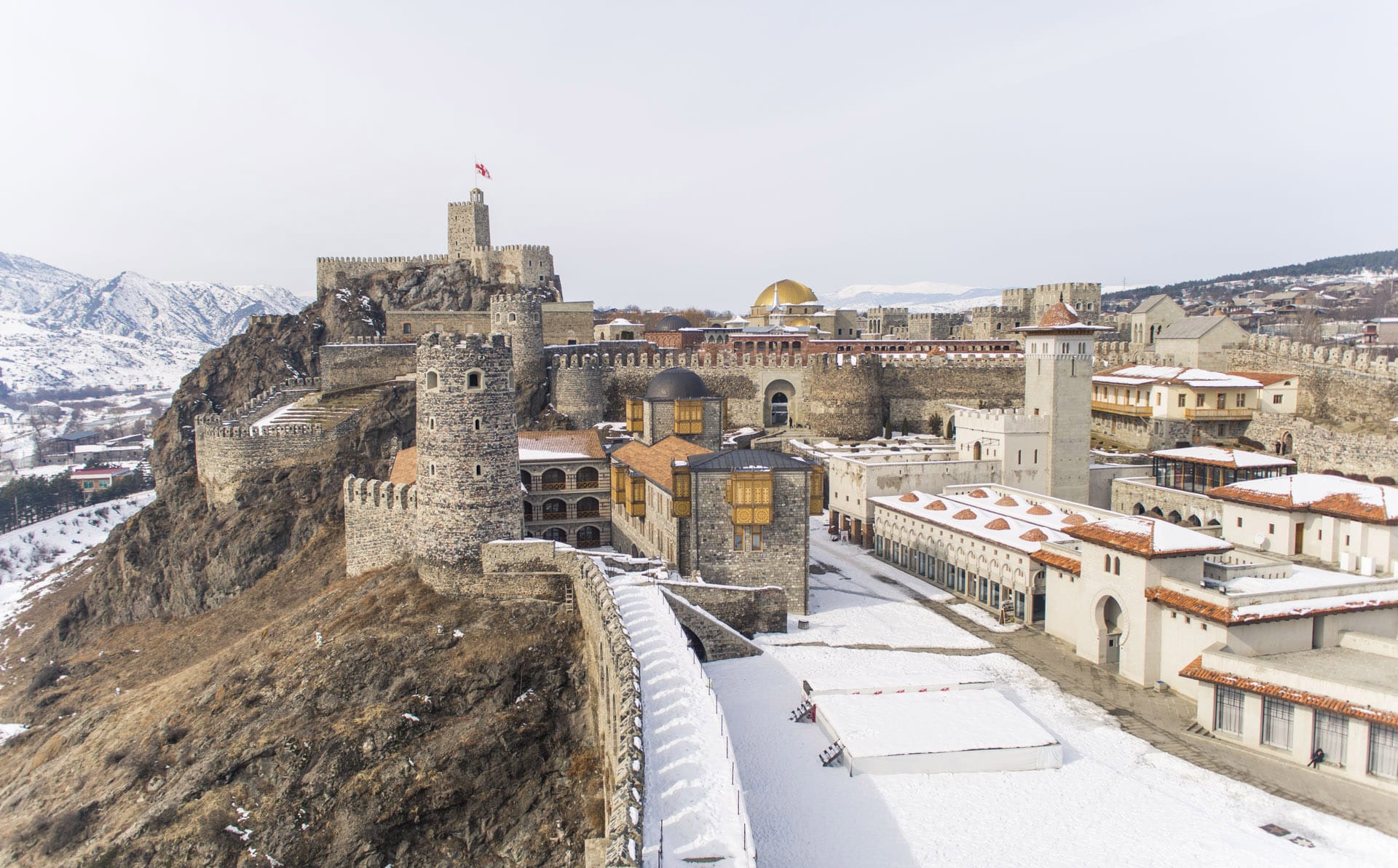
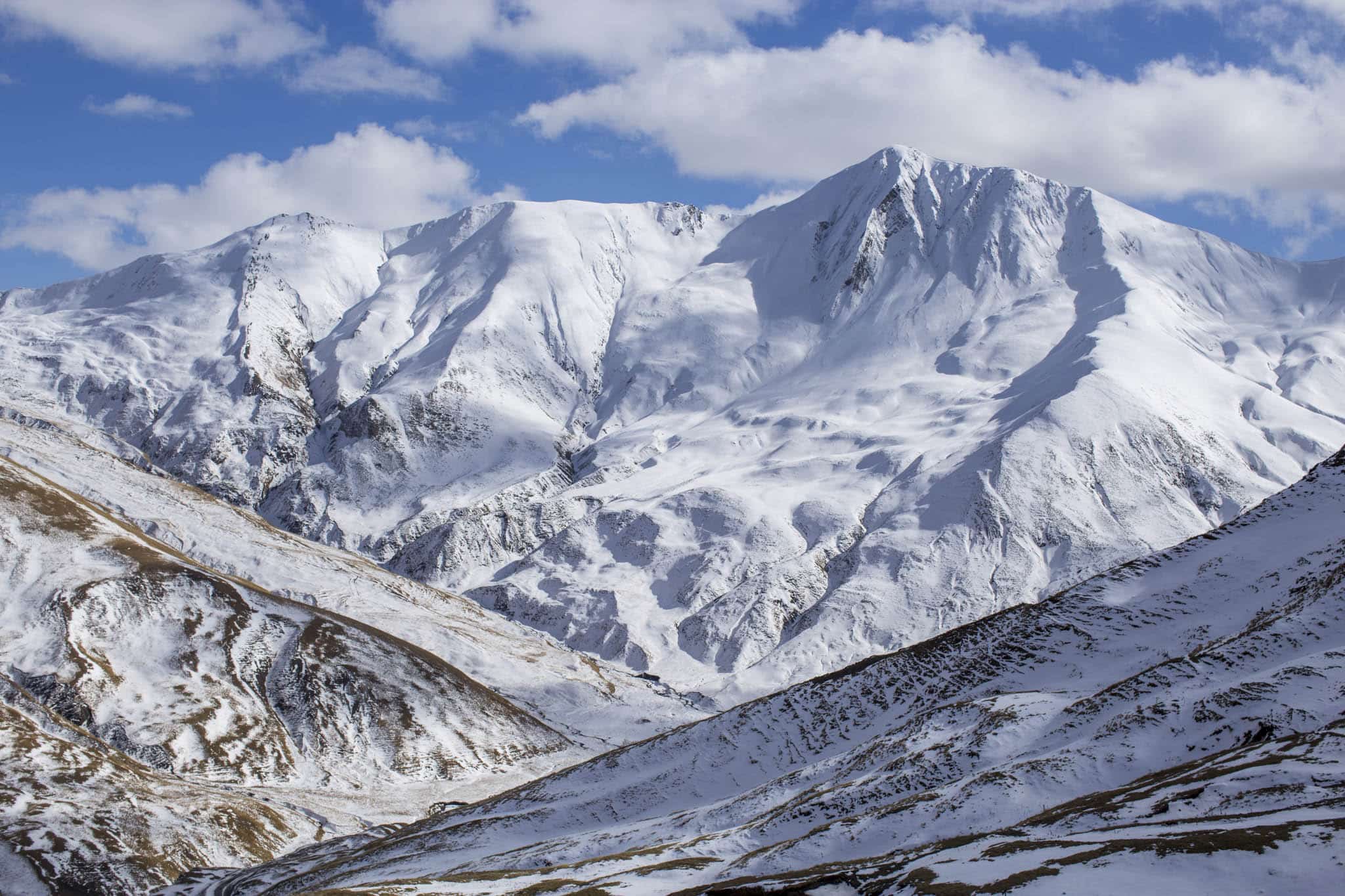
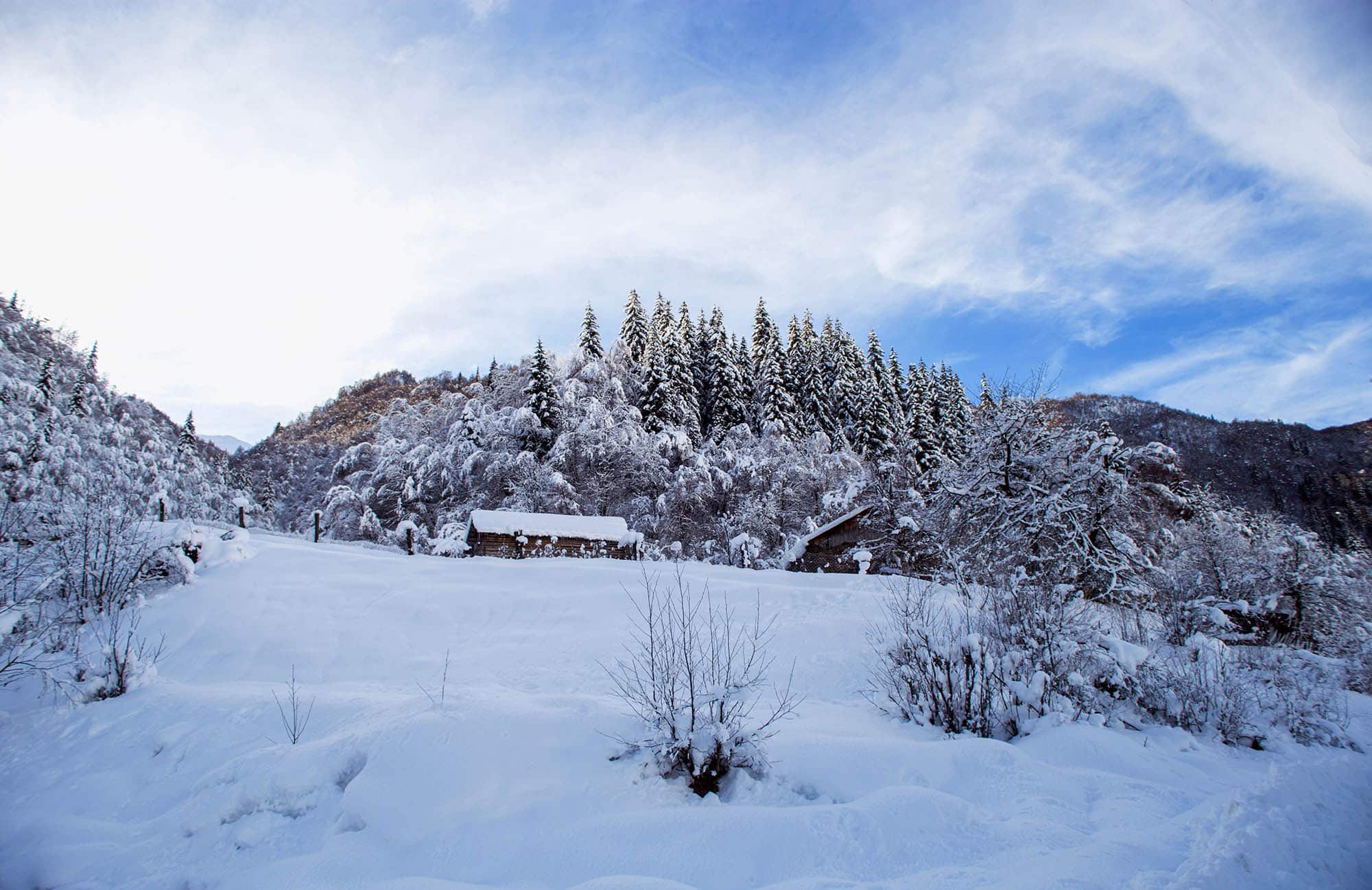
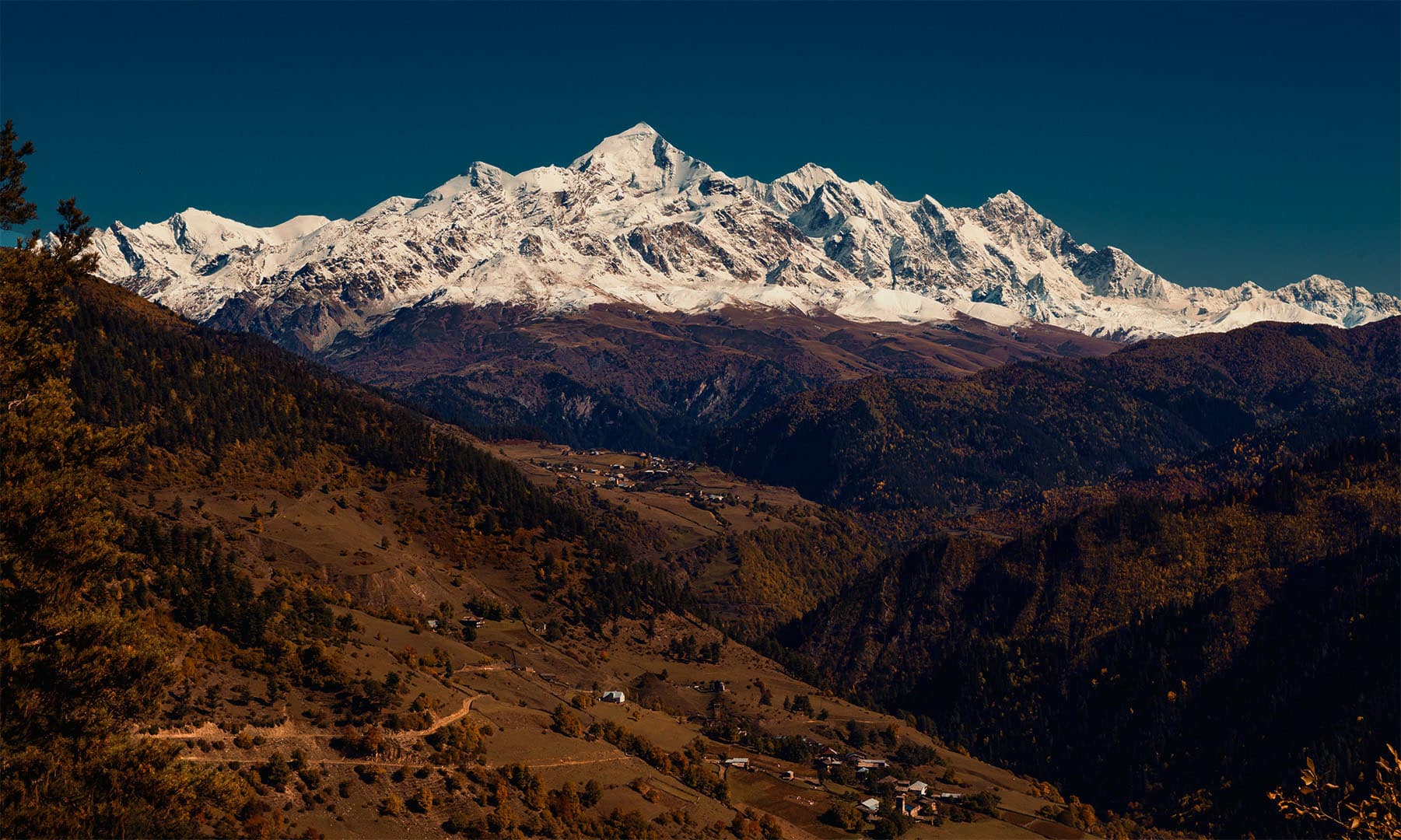
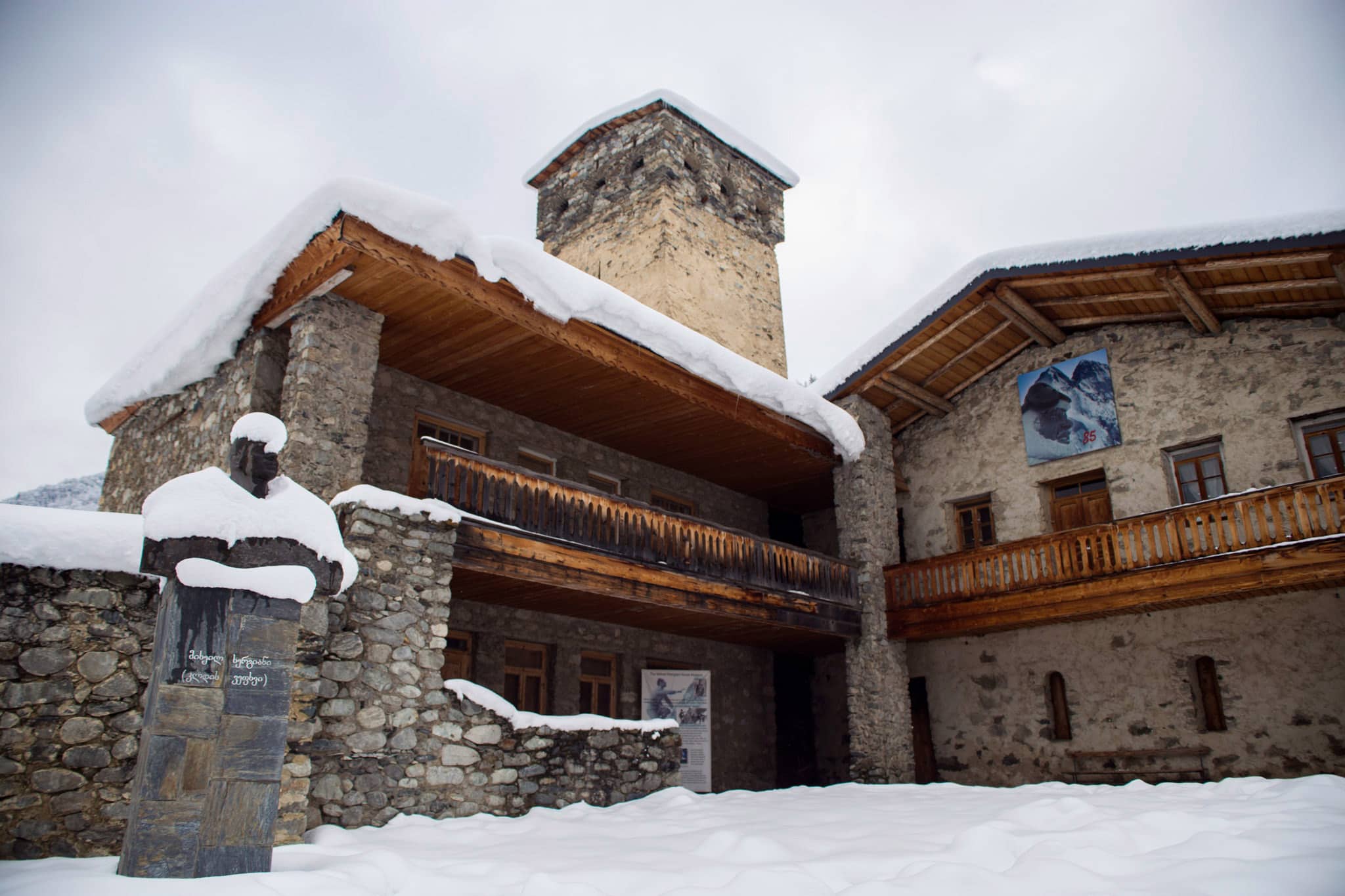
Most of Georgia rarely sees snow in winter. But you probably want to see photos of snowy Georgia, so this selection is exactly that.
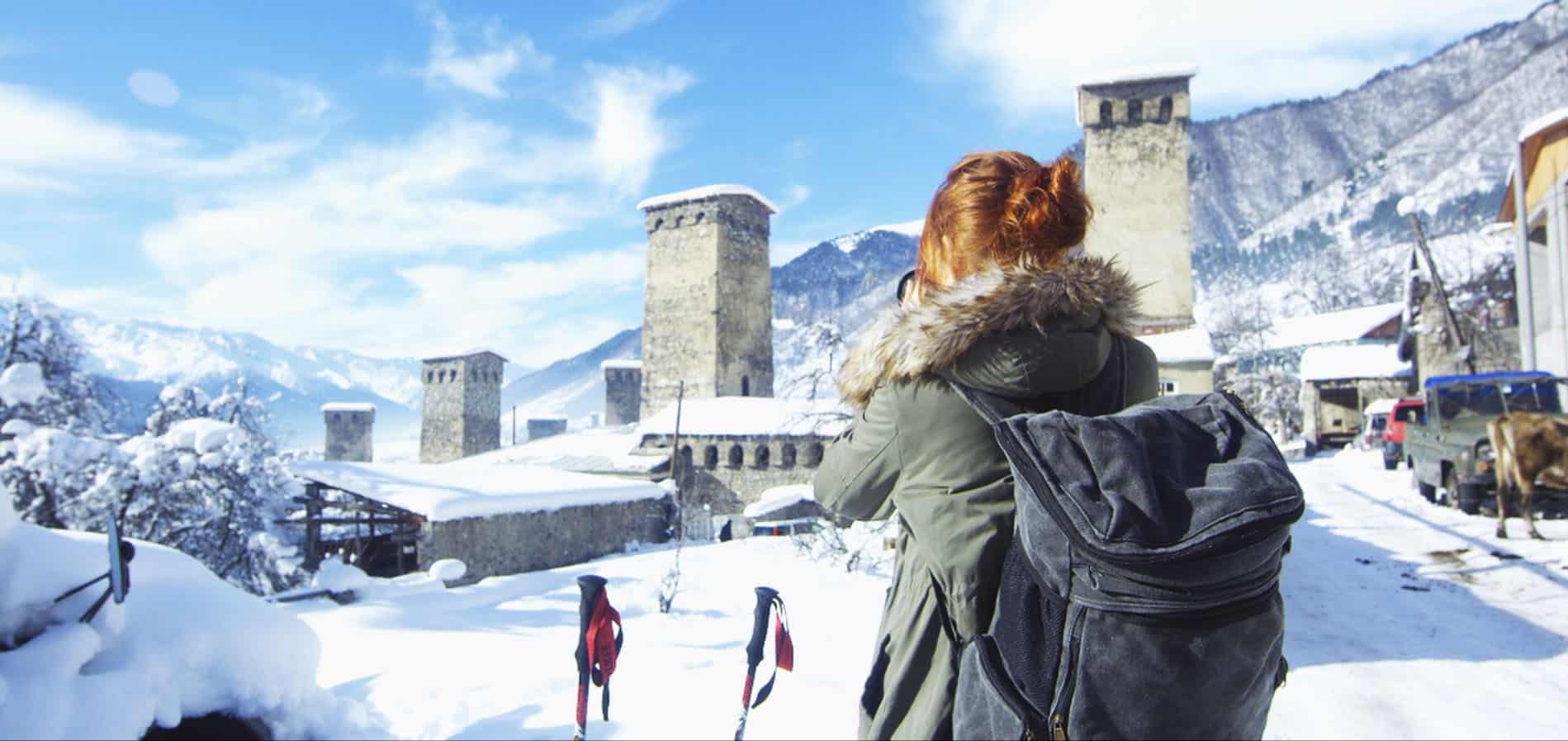
These photos were taken by Olga, a wonderful and talented photographer, a great lover of travel and a simply amazing and charming person.
Is it worth driving to Georgia in winter?
More and more tourists now choose road trips. In the cold season you can also reach Georgia by car. Remember that the only legal land crossing from Russia into Georgia is the Upper Lars checkpoint on the Georgian Military Road.
On the Georgian side, judging by the reviews of many tourists arriving by car, border guards carry out checks quickly and let vehicles through promptly. The road itself sometimes closes in winter because of snowfall and avalanches, causing queues many kilometres long.
Even on days when the Georgian Military Road is open, traffic is slow, as the road patrol lets cars through in one lane at a time instead of two, as in the warm season. This is because on the stretch between the Cross Pass and Kobi, in winter cars drive through narrow protective tunnels rather than on the main road. So if you choose this way to visit the country in winter, be prepared for this.
Since 1 March 2018, insurance has been compulsory for foreign-registered cars entering Georgia. You can buy it at the border checkpoint.
Weather in Georgia in winter
Although Georgia is a small country, its climate is very varied. The ranges of the Greater and Lesser Caucasus, the Black Sea and the plains all shape it. In winter, temperatures in different zones can range from −30 to +20°C.
In western Georgia (the Black Sea coast and the lowlands of Imereti, Adjara, Guria and Samegrelo), winter is much warmer.
In eastern Georgia, in the lowlands (Kartli and Kakheti), it is colder. In the mountain regions on the Greater Caucasus range (Svaneti, Racha-Lechkhumi, Khevi, Khevsureti, Pshavi and Tusheti) it is from −6 to −20°C.
Samtskhe-Javakheti, on the Lesser Caucasus range, home to well-known places such as Borjomi, Bakuriani, Vardzia, Akhaltsikhe and Abastumani, records the lowest temperatures (down to −30, but only high in the mountains around Paravani). The reason for the harsh climate is the flat shape of the mountains here and the high open plateaus. Samtskhe-Javakheti has even been nicknamed “Georgian Siberia”.
Pack according to where you are going. In any case you will need a warm jacket, scarf and hat. For walks in Tbilisi and Batumi, as well as winter shoes, bring some mid-season ones too: it is sometimes too warm for insulated footwear, both outdoors and indoors. If you are heading to Batumi, we also suggest a lighter jacket.
Weather in Georgia in January
Here are average January temperatures for the most popular winter destinations:
Temperatures in Georgia in January:
Tbilisi: +2°C.
Batumi: around +7°C.
Kutaisi: +7°C.
Gudauri: −5°C.
In Svaneti and Javakheti it is much colder: the air temperature can reach −16 or −20°C.
But these figures are by no means fixed. The weather in Georgia in January can be very different. It is more stable in the mountains and less predictable in Batumi, where it can be +5 but more often +15, and some plants even start to bloom. We will tell you more about Tbilisi and Batumi below.
A winter fairy tale: two of Georgia’s most Instagrammable hotels to visit in winter
If you do not like skiing, or want to see something besides the ski resorts, I recommend staying at least one night at the Nika or Eco House Merisi hotels.
Both are 1.5–2 hours’ drive from Batumi.
The bedrooms in the cottages are made entirely of glass, which gives a complete sense of being immersed in nature. And what nature it is! A gorge and snowy peaks: breathtaking views.
No wonder photos from these two hotels are so popular in travel communities on social media:
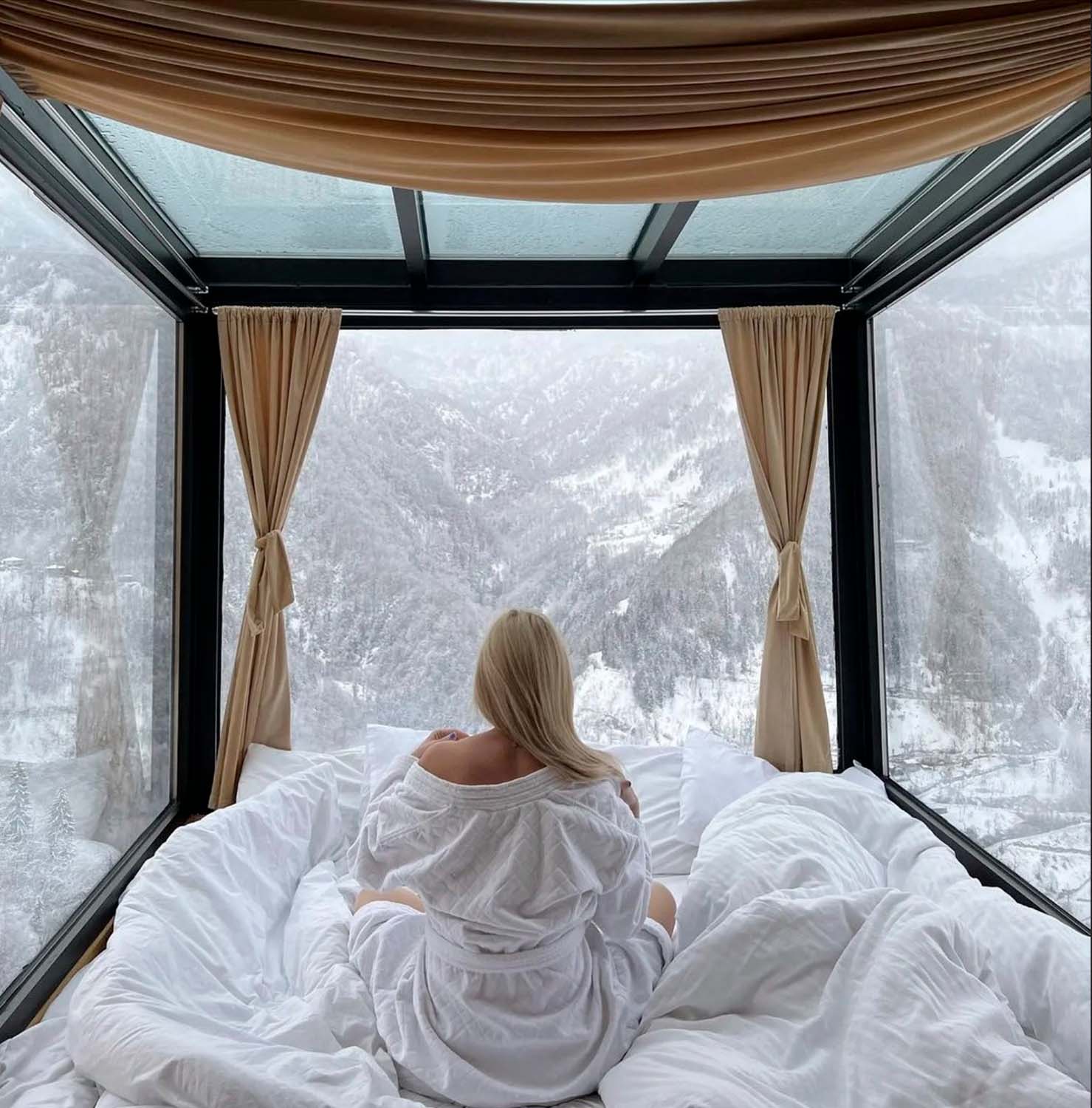
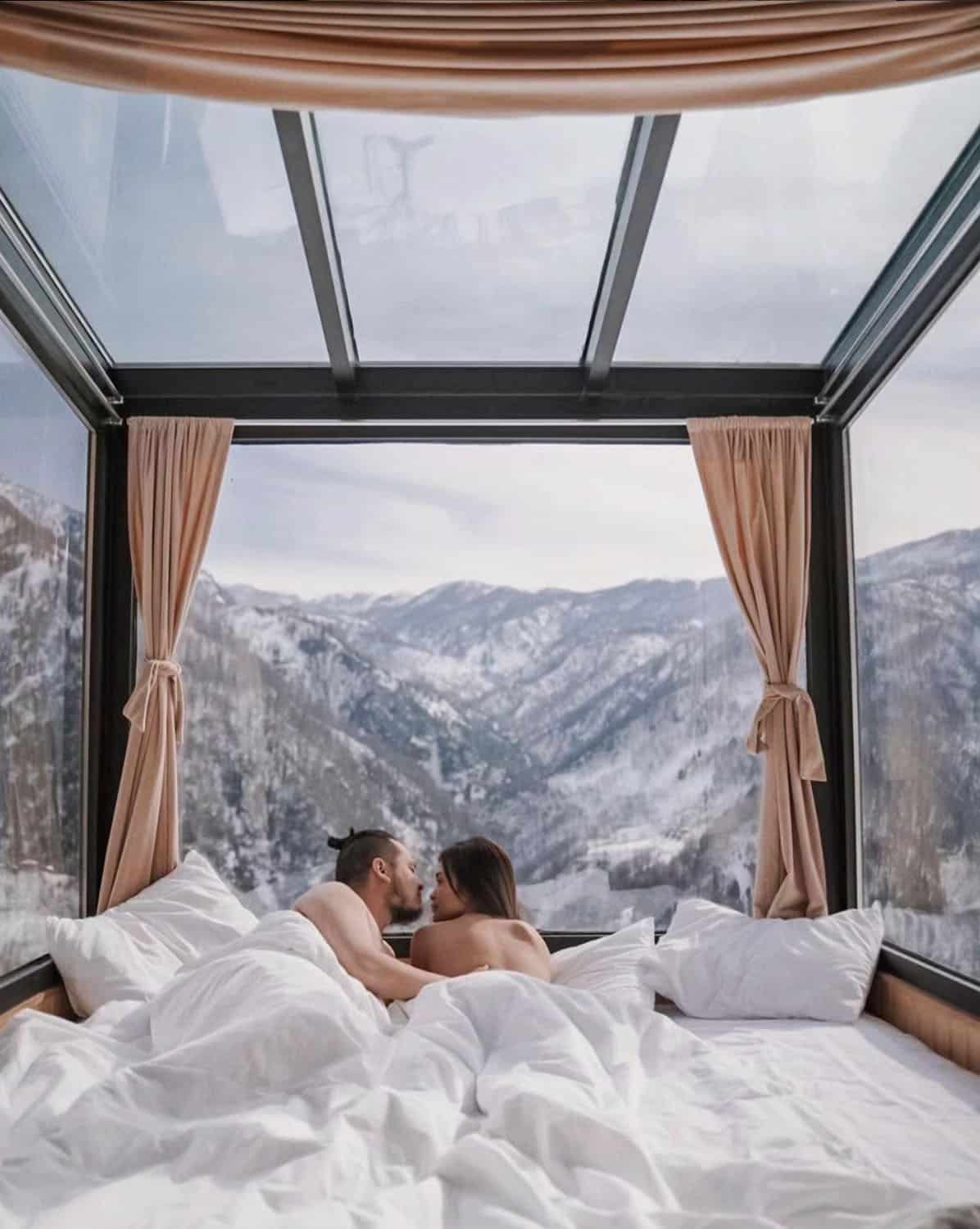
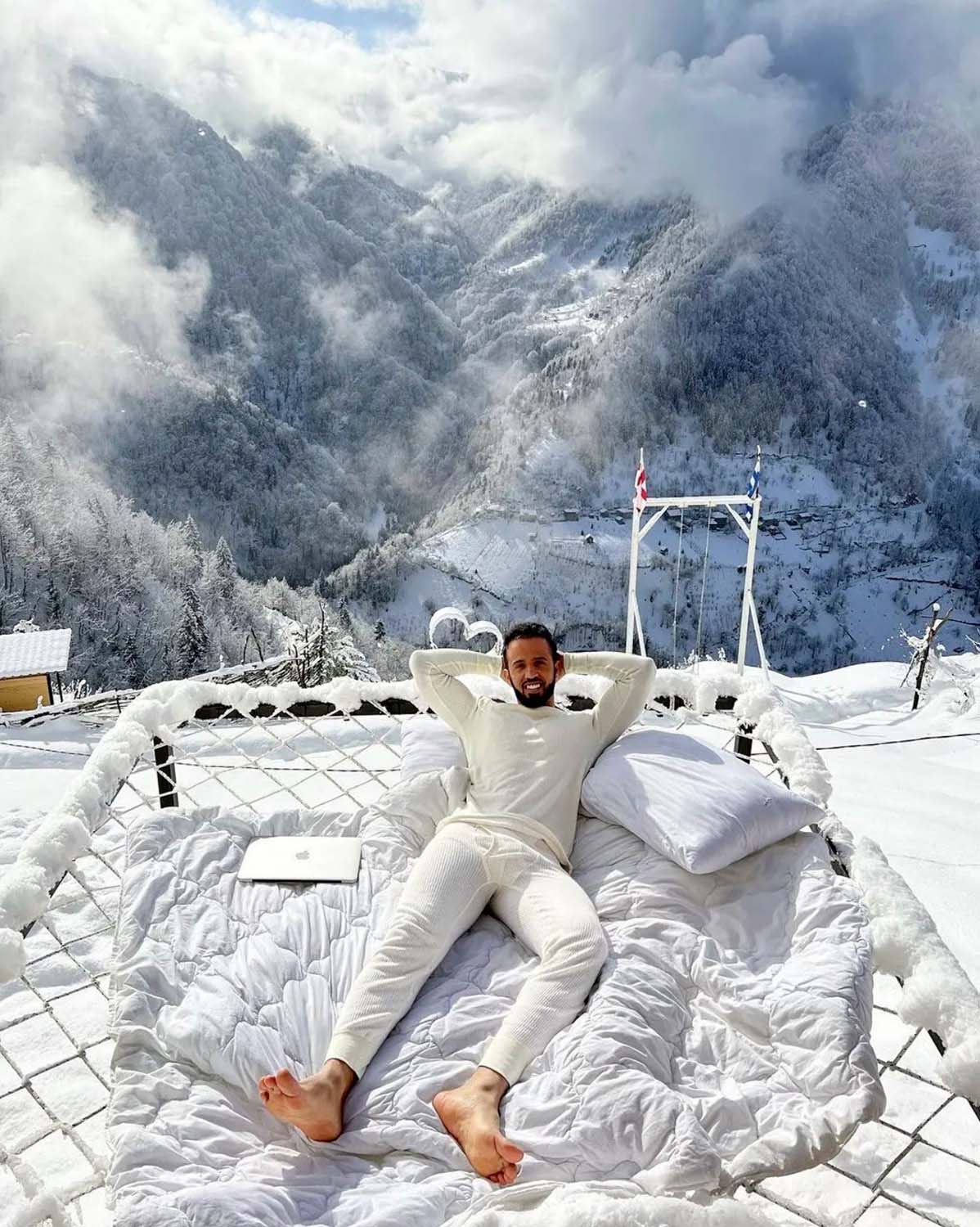
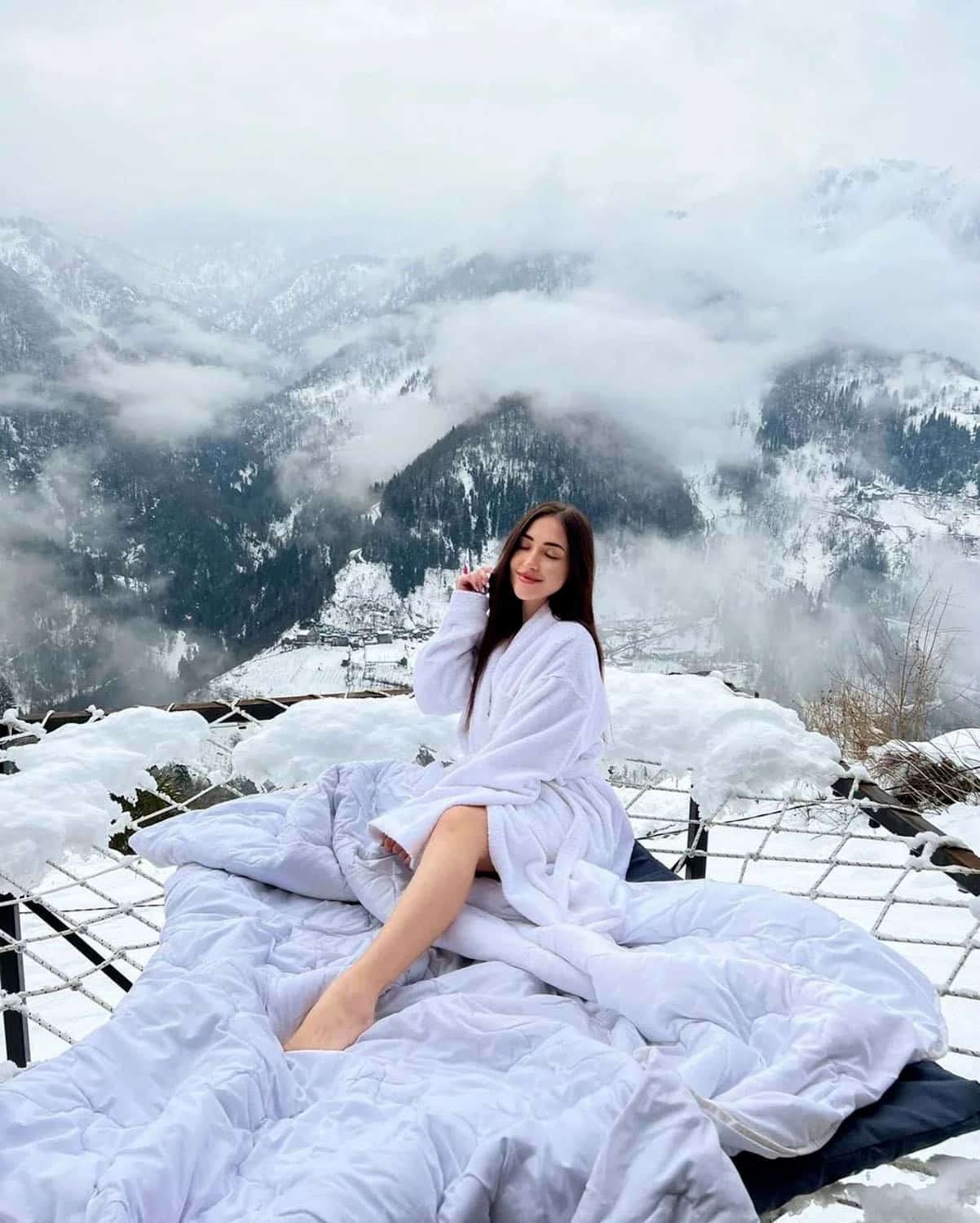
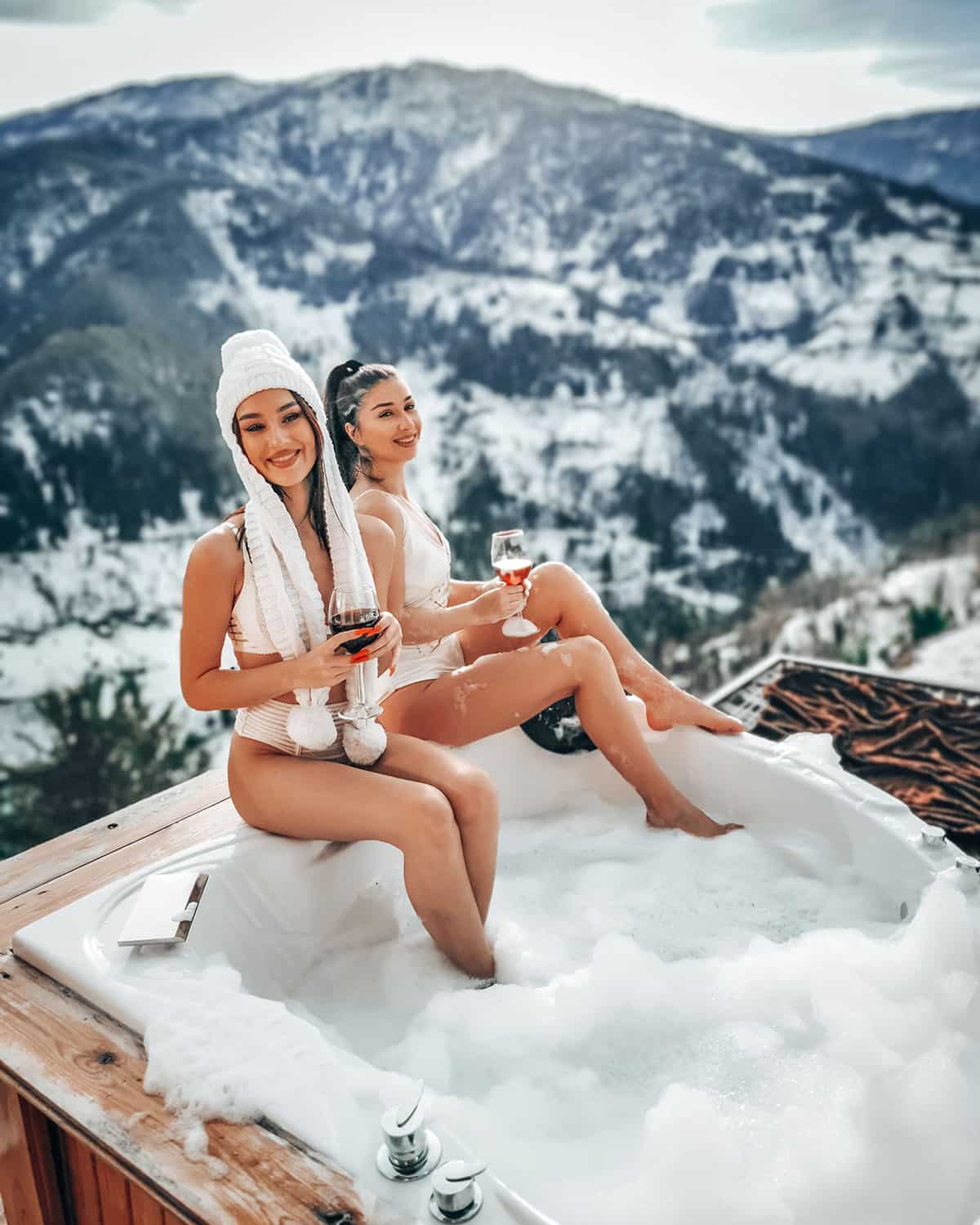
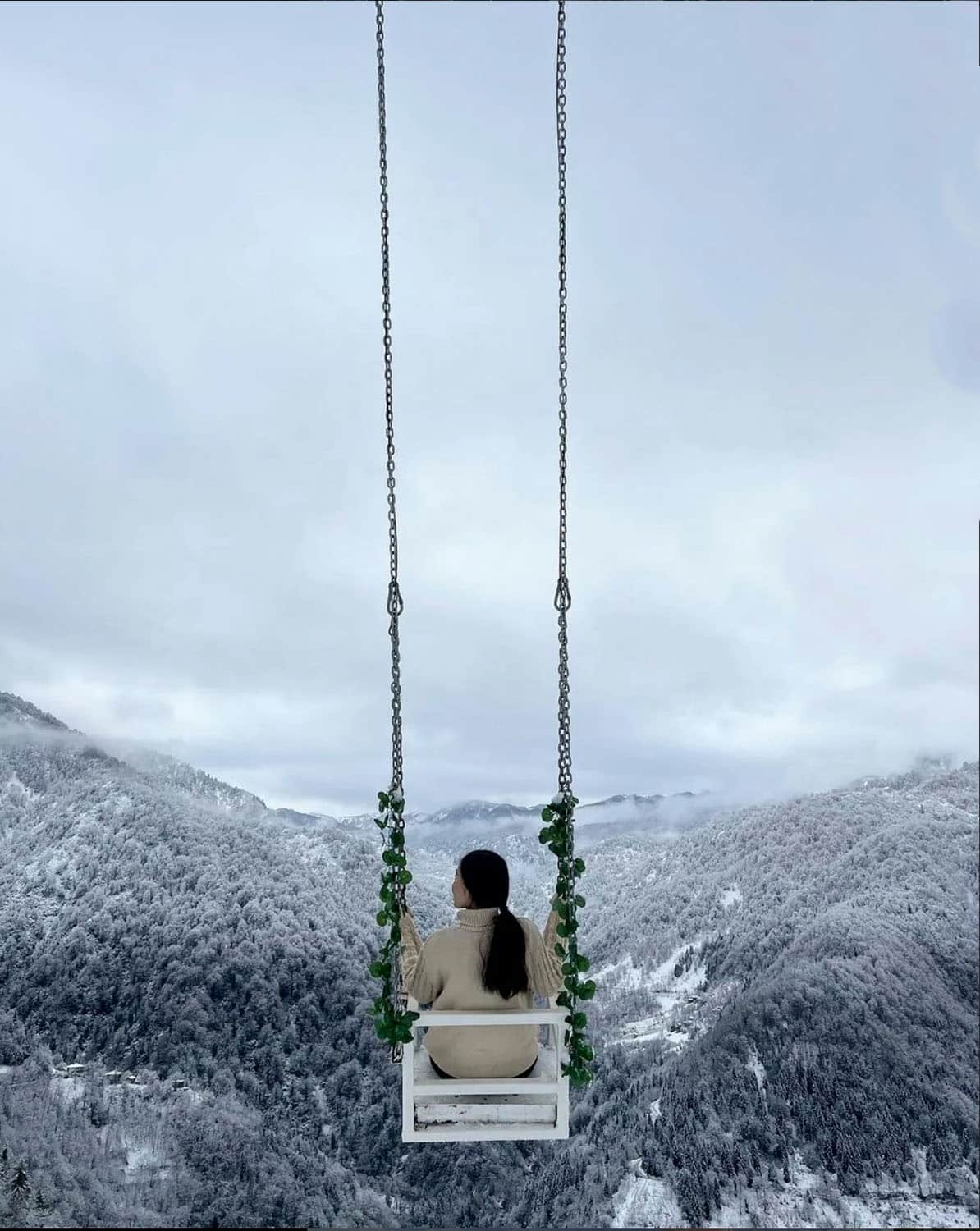
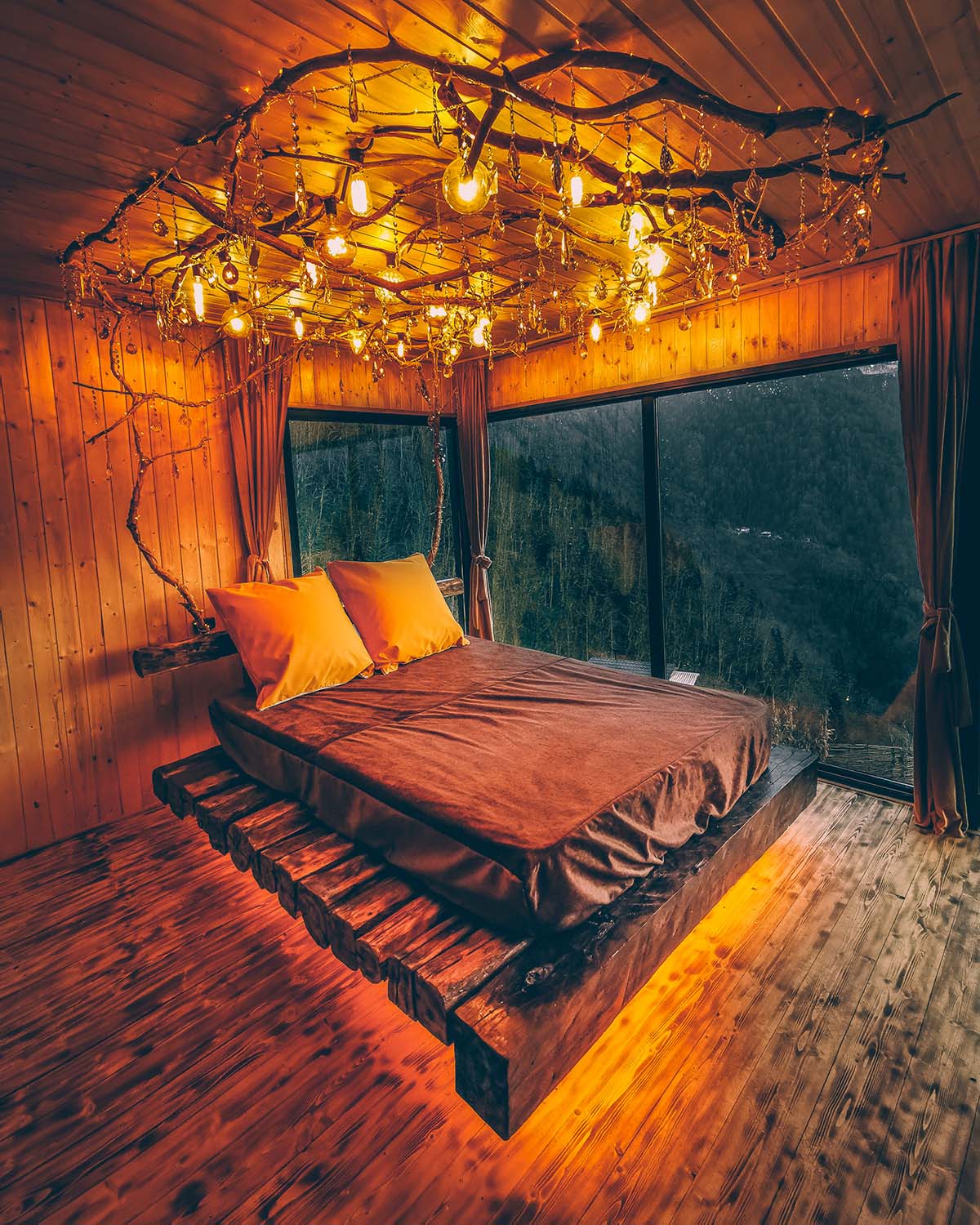
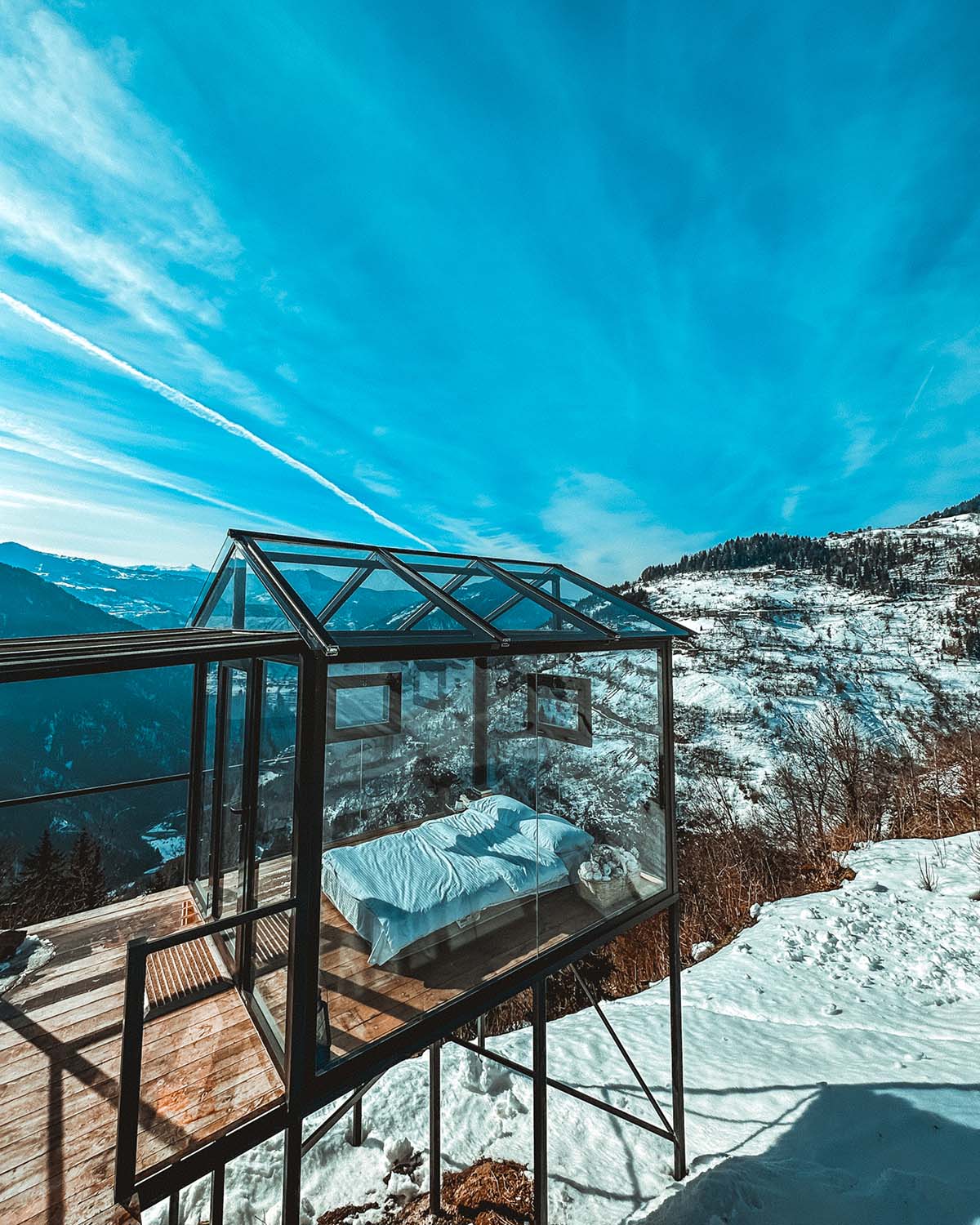
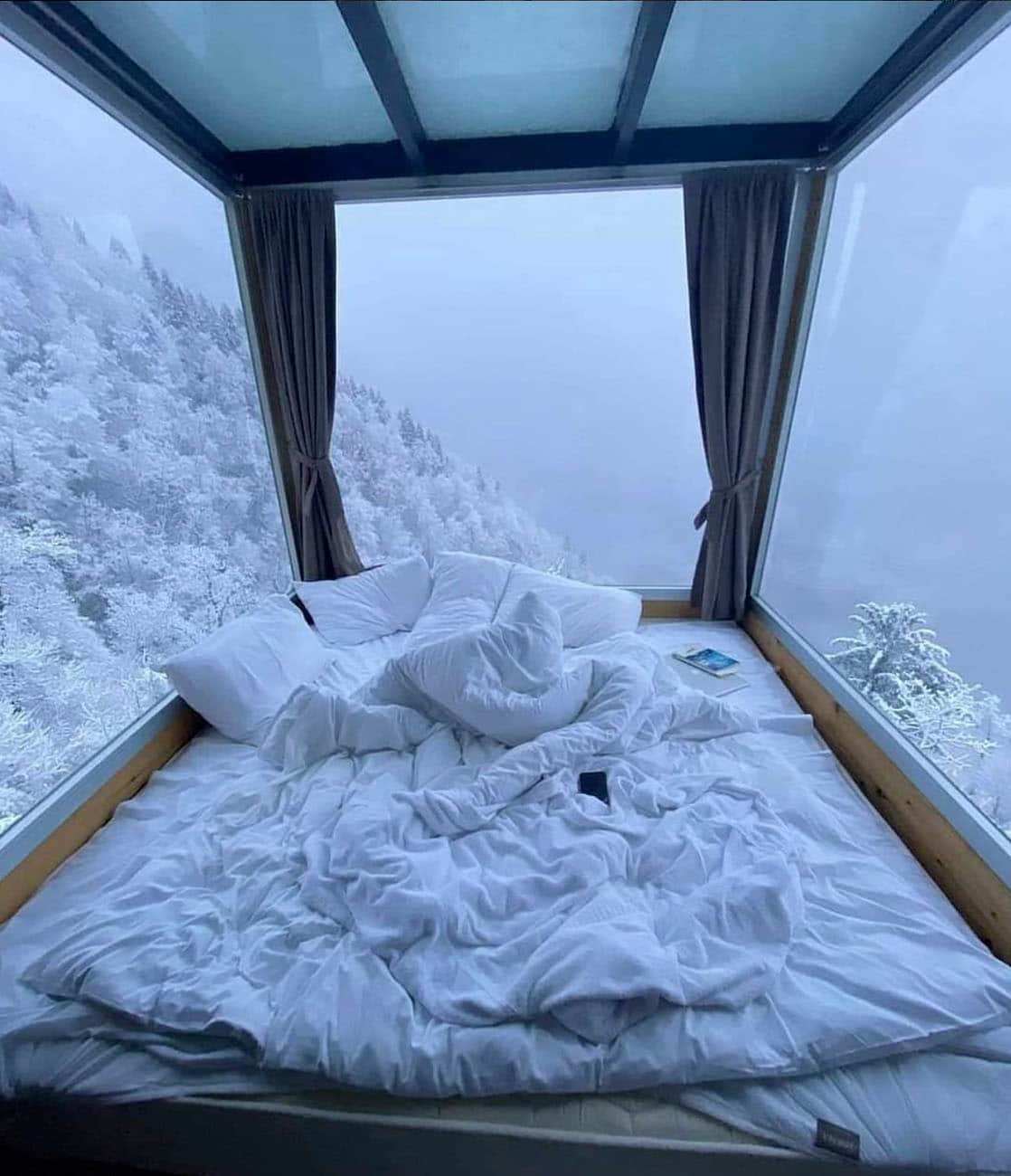
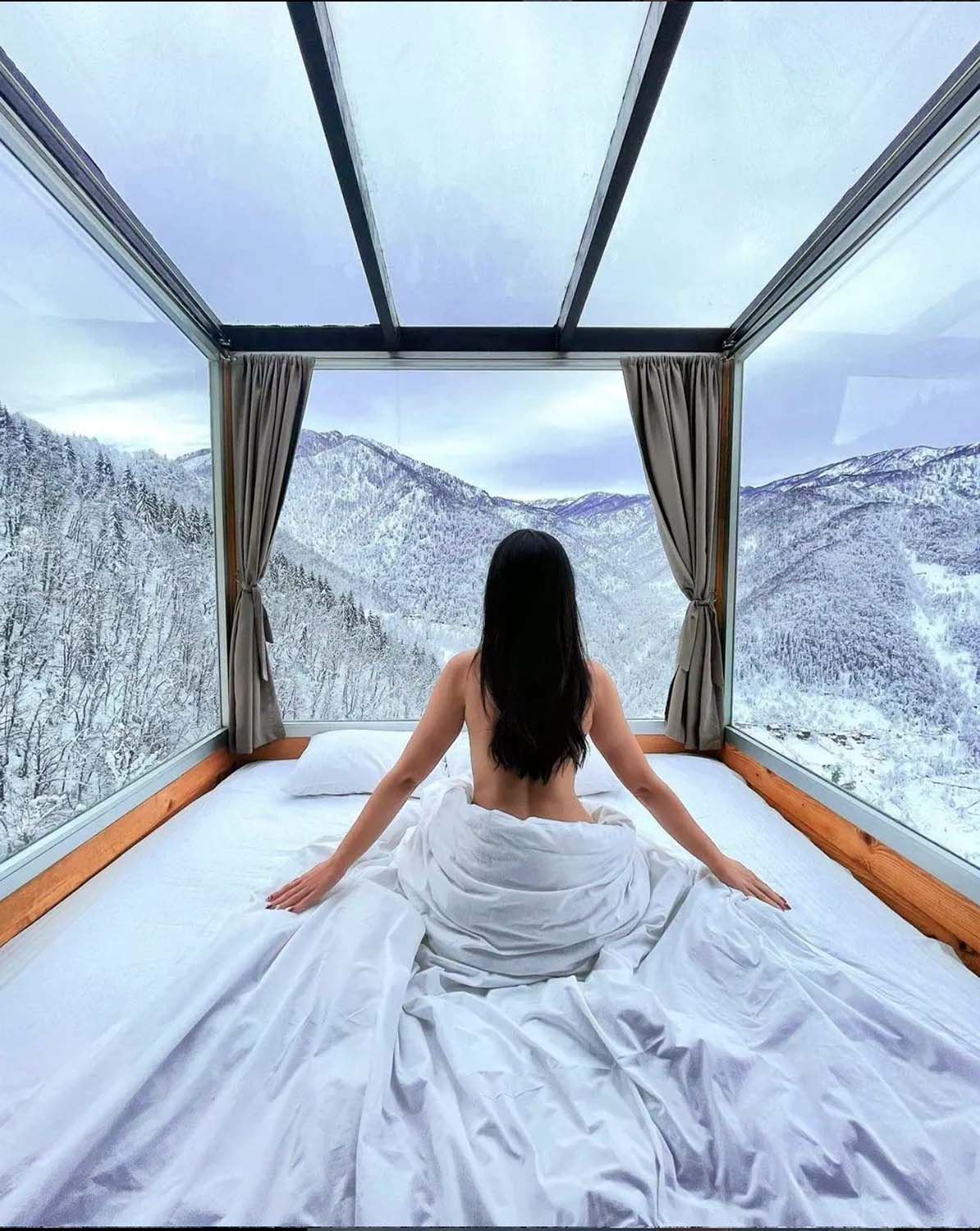
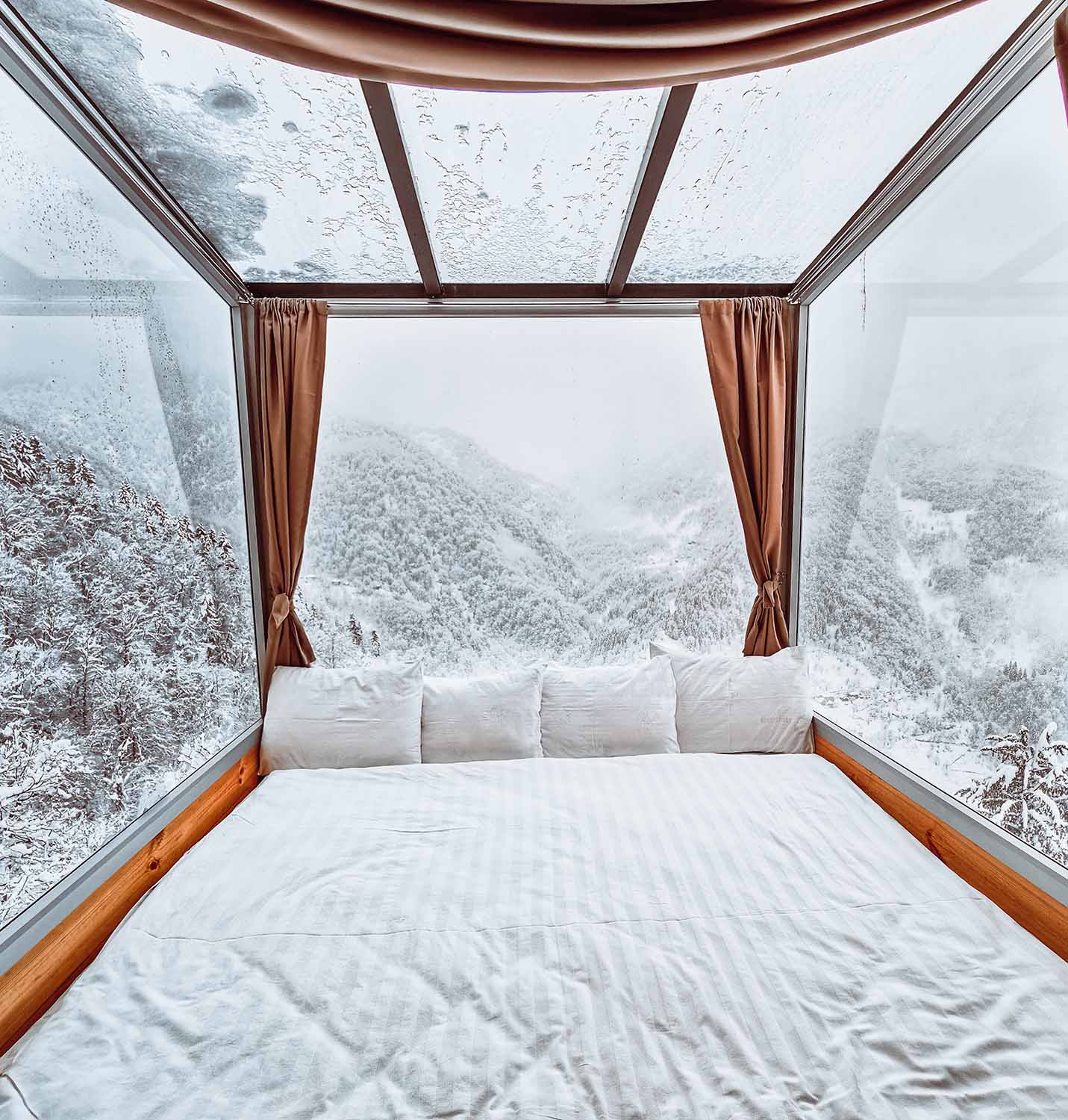
Photos from Instagram: @nika_adjara and @eco_house_merisi
You have to agree, it is a real winter fairy tale!
How the hotels differ:
Eco House Merisi is better known (it was the first hotel in the world to have such an aquarium bedroom; in fact, that is where it was invented). It is a little closer to Batumi, and the hotel has its own group transfer: a Sprinter runs from Batumi and back every day, which is much cheaper than a taxi. Other highlights: a bed with a branch chandelier, an outdoor jacuzzi and a glass bridge for a romantic dinner.
Nika is a secluded, small place: just 4 cottages next to a large park with 15 photo spots and a heated outdoor pool. Little white goats live on the grounds (very sweet and tame), and in the park you may meet squirrels and hedgehogs. Clean pine air and unity with nature are guaranteed!
At Nika you can book a Georgian or Adjarian cooking class, milk a cow or make cheese, or lie all day in one of the 5 hammocks in the park. The two large cottages have a jacuzzi and a fully glass bedroom; the two budget ones also have a glass bedroom, but without a glass roof. Two kilometres from the hotel there is a small ski slope and even a simple lift, in case you cannot do without skiing.
Ideally, spend one night at Nika and another at Merisi. But if that is not possible and you have to choose one, I would go to Nika.
You can book the hotels on their websites: Eco House Merisi and Nika hotel and club
Ski resorts in Georgia
The season opens in mid or late December, depending on snow. Last season, 2025/26, Kokhta in Bakuriani opened first on 20 December, and from 27 December Didveli and Mitarbi in Bakuriani and the lifts in Gudauri, Mestia and Goderdzi started running; slopes opened gradually as snow allowed. A day ski pass in Gudauri cost 70 GEL (35 for children), and in Bakuriani 55 GEL, plus 5 GEL for the card. Ski passes were sold online on TKT.GE, BILETEBI.GE and SKIPASS.GE. From January all resorts usually run at full capacity.
Georgia’s ski resorts on the map
If you love winter sports, Georgia in winter will be a real discovery.
If you look at Georgia’s ski resorts on the map, you will see that Gudauri is closest to Tbilisi, with Bakuriani a little further. Goderdzi is in Adjara, Hatsvali and Tetnuldi in Svaneti. When choosing the best resort, weigh up what matters to you: distance from the airport and transport options, modern comfortable accommodation, entertainment besides skiing, options for families, solitude or, on the contrary, bustle and crowds. Each resort has its own character, so there is plenty to choose from.
Bakuriani
The oldest resort. It has been running since Soviet times, when winter sports competitions were held here. Like Goderdzi, it lies in the Lesser Caucasus, which is gentler and more wooded than the Greater Caucasus, at 1,700 m above sea level.
Bakuriani is the best option for a family holiday. There is plenty for children: it is a real village with cafés and restaurants, playgrounds and chances to try children’s skis, sledges and more.
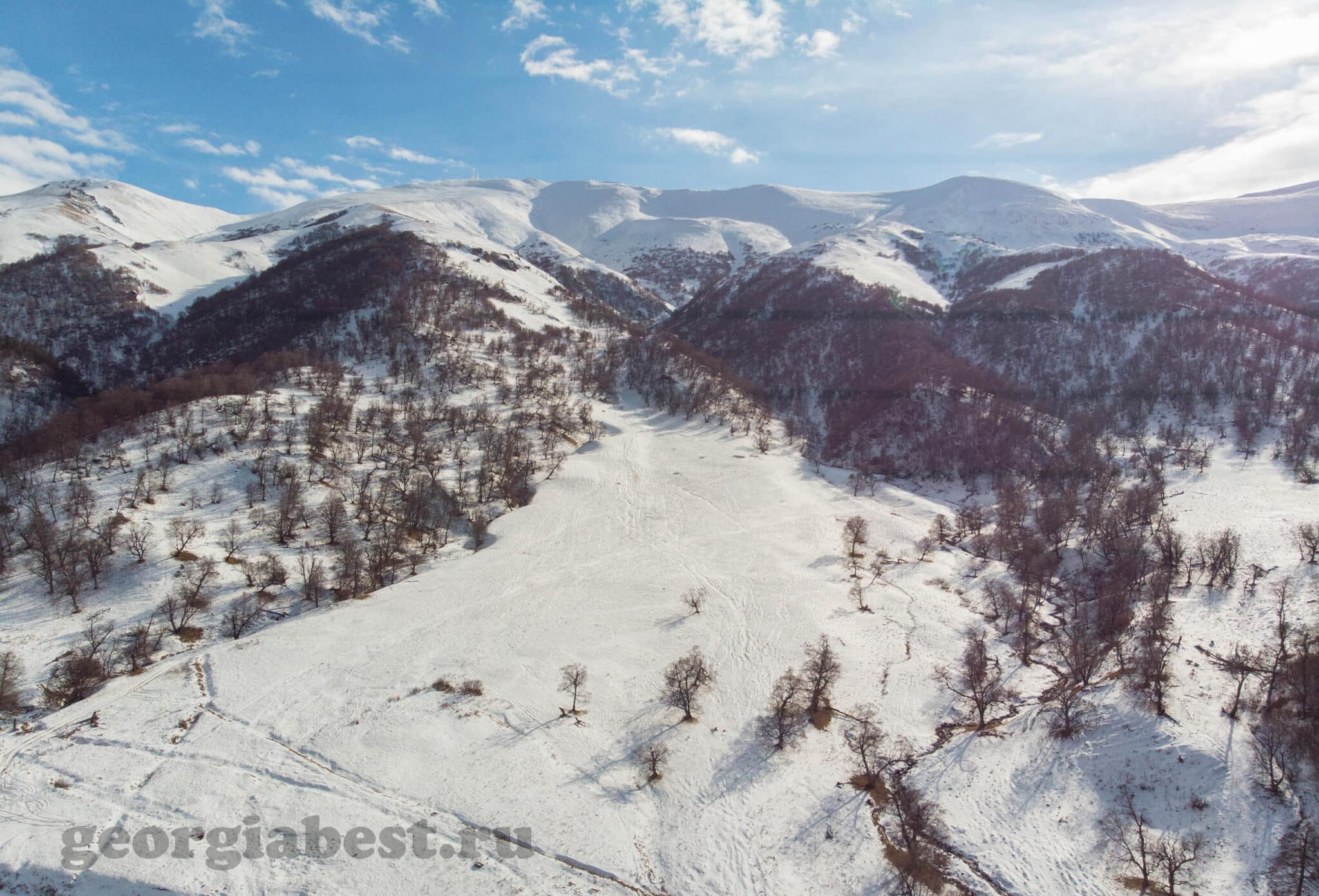
There are slopes for beginners (“Plateau”), intermediates and experts (“Kokhta-1”, “Kokhta-2”), and a wide choice of accommodation for all tastes. The climate is moderately continental: average winter temperatures rarely fall below −7°C, with lots of sun and snow. It is easy to get here from Tbilisi (180 km), via Borjomi, from where you can continue by car, but we strongly recommend the famous narrow-gauge railway, the “kukushka”, which offers stunning, mesmerising winter views from the window.
Gudauri
The highest (2,100 m above sea level) and the most developed and modern ski resort. It is in demand among professional snowboarders and skiers, from beginners to pros, who come from all over the world. The infrastructure is well developed, and new options appear every season. It was the first resort in the Caucasus built to international standards, by Austrians in the mid-1990s. Gudauri is the most popular resort with tourists, firstly because it is well known, and secondly because it is the easiest to reach: it is the closest to Tbilisi, 120 km on a good road. It lies right on the Georgian Military Road, so visitors from the former Soviet countries can drive here.
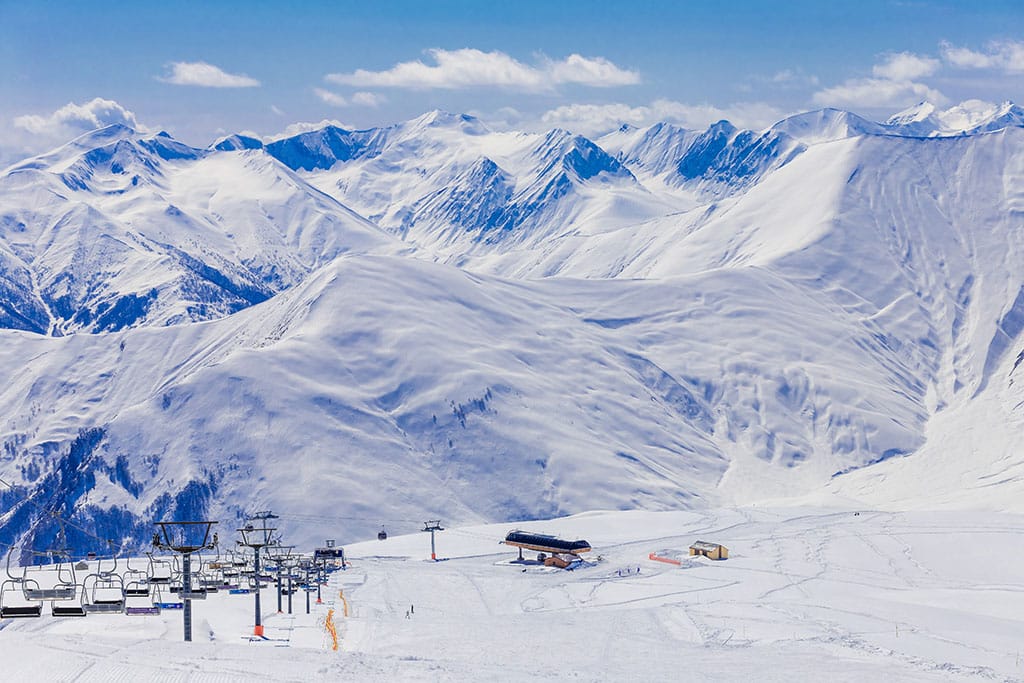
There are about 80 km of slopes and more than 15 lifts, including the Gudaura and Kobi gondolas; you can board the latter right in the village of Kobi beyond the Cross Pass. The cable car takes you up to 3,300 metres above sea level.
The most difficult (“black”) runs are here.
Gudauri is famous far beyond Georgia as a perfect place for backcountry and freeride thanks to its “wild” slopes.
Paragliding also runs here all year round, a unique chance to see the area from a bird’s-eye view.
The downsides of Gudauri and Bakuriani include crowds, queues at the ticket offices and lifts. Skiing is popular with locals too as a winter getaway, and Georgian families most often head to Bakuriani and Gudauri.
Goderdzi
A young resort in mountainous Adjara, opened in 2015. From Batumi you can get here by public transport with a change in Khulo, or book a direct transfer. It lies at 2,200 m above sea level. The snow cover exceeds 2 metres, three times more than at other Georgian resorts. The slopes are 8 km long.
Although the resort is only a few years old, it is quickly gaining popularity. The scenery is stunning, the snow is springy and the slopes are new and convenient. There is a two-level cable car, equipment rental and kiosks with khachapuri, lobiani and other Georgian food. You can hire an instructor. The choice of accommodation is not as wide as in Bakuriani or Gudauri, but you can rent a room in chalet-style cottages or stay with locals, which is of course cheaper. In the evenings you can warm up by the fireplace and drink wine with friends. The infrastructure is more modest than in Gudauri and Bakuriani, but there are fewer people.
Hatsvali and Tetnuldi
Both are in Svaneti. Like Goderdzi, they are fairly young resorts and still developing.
Tetnuldi is 15 km from Mestia. Its most developed run is about 10 km long, and the highest skiable point is at 3,165 m. The views are stunning and there is plenty of freeride, but accommodation and everything else is in Mestia, and only one or two cafés operate on the mountain.
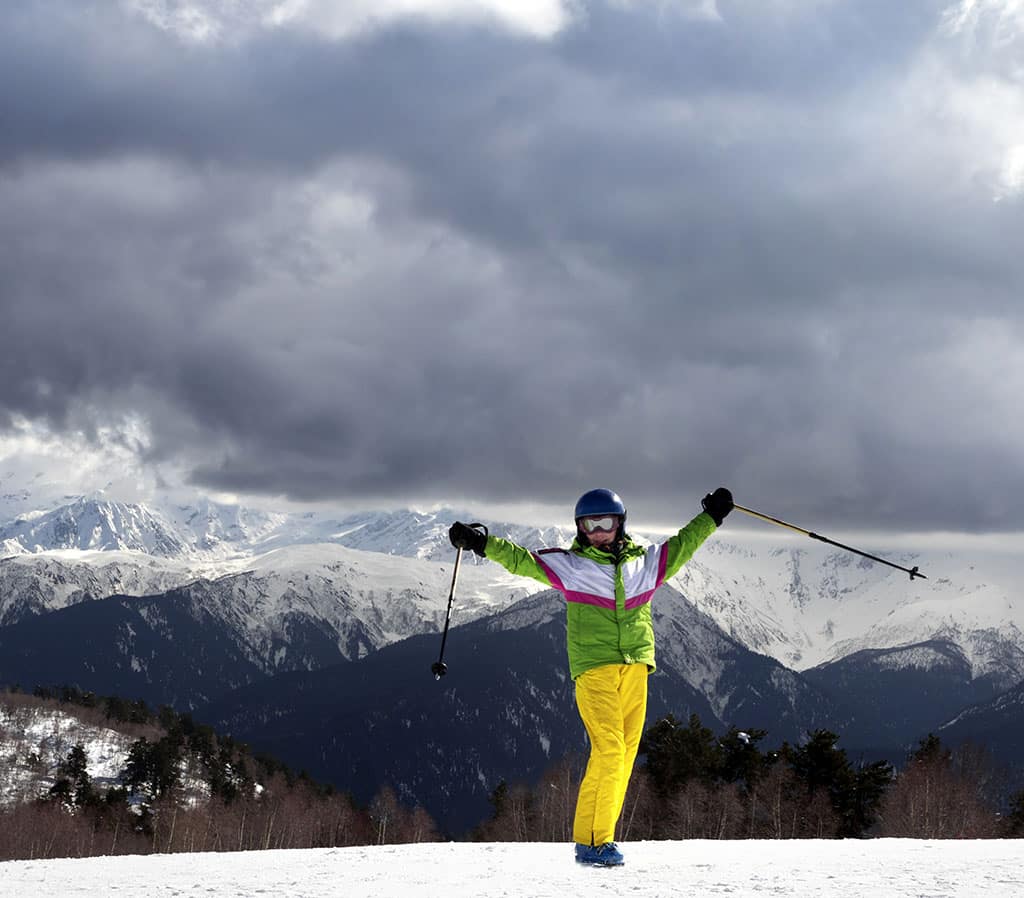
Hatsvali is 8 km from Mestia. The lift takes you up to 2,347 m above sea level on Mount Zuruldi, where the café of the same name has wonderful views. There are runs for beginners and conditions for backcountry and freeride.
Tbilisi in winter
Even in winter Tbilisi is bright, warm and unlike anywhere else. Yes, there is no greenery in its streets, but the bare branches do not hide the beauty of the warm capital’s architecture. Most importantly, all the sights in the city and around it are open in winter too, except perhaps the rides in the parks.
Be sure to take the cable car up to Narikala Fortress, where Tbilisi was born. Besides seeing the city spread out below you and walking along the surviving walls, you can try unusual coffee brewed in hot sand.
We recommend riding the funicular up Mount Mtatsminda, which also has dizzying views of Tbilisi, and trying the famous Tbilisi custard doughnuts sold in the café that has worked in the funicular station building since time immemorial.
Walk through the old town and visit Holy Trinity Cathedral (Sameba), where you can admire exquisite cloisonné enamel work. Try the famous Lagidze Waters, Georgian soda lemonade with syrup; locals especially like mixing cream and chocolate syrups. In Soviet times these two syrups sold out within 15 minutes of the lunch break, and latecomers had to drink tarragon. If you do not like very sweet drinks, ask for less syrup!
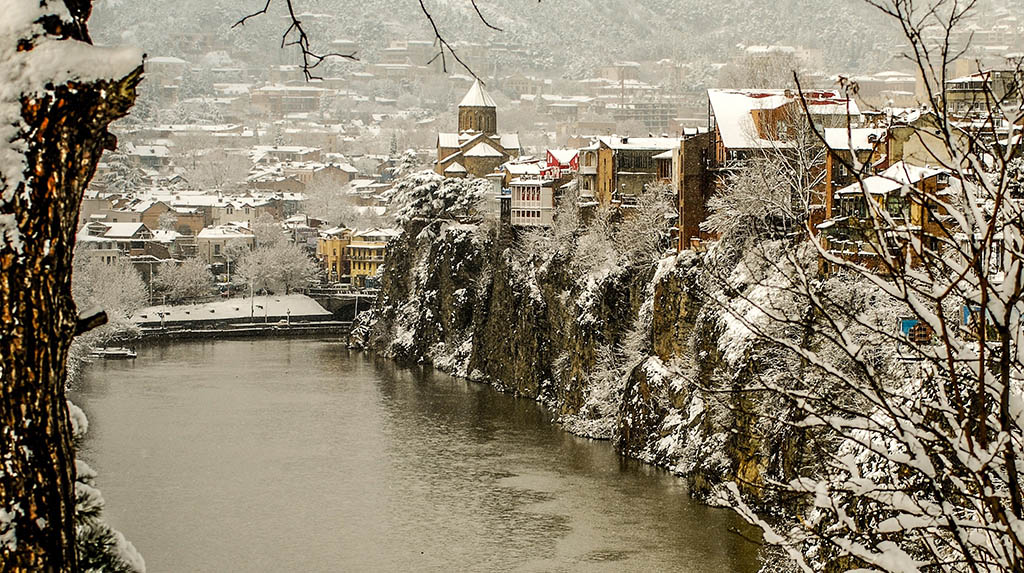
If your walk falls on a weekend, you can browse the street fairs on Rustaveli Avenue and Freedom Square, where locals sell their crafts and souvenirs. You can find very stylish things: handmade bags, jewellery, T-shirts with funny slogans, cloisonné enamel and more. You will also be offered hot mulled wine, which in recent years has become very popular in Tbilisi in winter, and you will find it in many places.
The Open-Air Ethnographic Museum, with real old traditional houses brought from all over the country (Imereti, Guria, Samegrelo, Adjara, Kartli, Kakheti, Samtskhe-Javakheti), is open all year round.
Just keep in mind the winter opening hours of museums: the Ethnographic Museum closes at 17:00 in winter. The many museums in the capital and other cities are open too, so in bad weather you can spend a wonderful day learning about the history and culture of mysterious Sakartvelo.
And of course, hot steaming khinkali are good at any time of year, but especially in winter. Look for a proper khinkali house where Georgians themselves eat, and start your acquaintance with this traditional mountain dish there. Just do not order sour cream or wine with them, it does not go! Khinkali are eaten with satsebeli sauce at most, and if you drink, then only chacha, especially when it is windy and chilly outside. More ideas in our guide to restaurants in Tbilisi.
Remember you can go to the sulphur baths in Meidan or at Lisi Lake. Before New Year many families have a tradition of going to the bathhouse. There are both shared and private rooms. You can book a mekise, a scrub masseur (both men and women work), who will literally peel off your top layer of skin and leave you feeling renewed and rejuvenated.
In late December and the first half of January you can endlessly admire the New Year lights, which are simply magical in Tbilisi and Batumi. At any time of year there are cooking classes in local cuisine and dance classes.
And what about the chance to see in New Year in Tbilisi! People here know how to celebrate, and do it in style, with age-old wisdom and the art of living in the moment, enjoying life and each other’s company. If you plan to come to Tbilisi in December or early in the year, you can be part of it too.
On New Year’s Eve, be ready to be deafened by thousands of fireworks, as the sky over the capital and nearby Rustavi lights up with patterns and flashes. Georgians do not know how to celebrate quietly!
On 1 January, by contrast, the city seems to freeze. There are far fewer cars on the roads in the morning. Many go to the village to visit relatives, go to restaurants, visit friends and family or host guests. On Rustaveli Avenue there are concerts, fairs and shows.
Note: if you want to go to a restaurant on New Year’s Eve or the night before, book a table several weeks ahead, as the best places are taken long before the holiday.
Weather in Tbilisi in winter
In the winter months, many tourists find walking around Tbilisi for hours much more pleasant than in high season: no exhausting heat, crowds or queues in cafés and restaurants. Windy days can be the exception. In Tbilisi and around, winter temperatures range from 0 to +10°C. A slight frost (−2, −3) only happens at night. Something as unusual for Tbilisi and Mtskheta as −10 happens once every few years.
Weather in Tbilisi in January
The most wintry month, January, will please you in Tbilisi with mild temperatures and lots of sunny days, about 20 on average.
Average temperature in Tbilisi in January: +2°C.
Most often, the only reminder of winter will be the snowy mountain peaks in the distance, while in the city itself it will feel like spring. On a sunny day it is like early May in central Russia. January weather in Tbilisi is another reason to visit the Georgian capital.
Tbilisi in January
A wonderful time to visit Tiflis is the New Year holidays. The city is still in a festive mood: people visit each other, walk with their children, go to fairs, theatres and all kinds of events. In the first half of January the streets are still decorated with New Year lights, and walking around the lively centre and old town is especially pleasant.
In winter the capital hosts no fewer cultural events than at other times of year, perhaps even more: opera, ballet, theatres, exhibitions… You certainly will not be bored. Dive into the capital’s cultural life, and if you come with the whole family for the winter holidays, you and your children can learn a lot about another country and culture and go to festive shows and performances.
Photos of Tbilisi in winter
Just look at these views of winter Tiflis, and the question of whether to go to Tbilisi in winter answers itself.
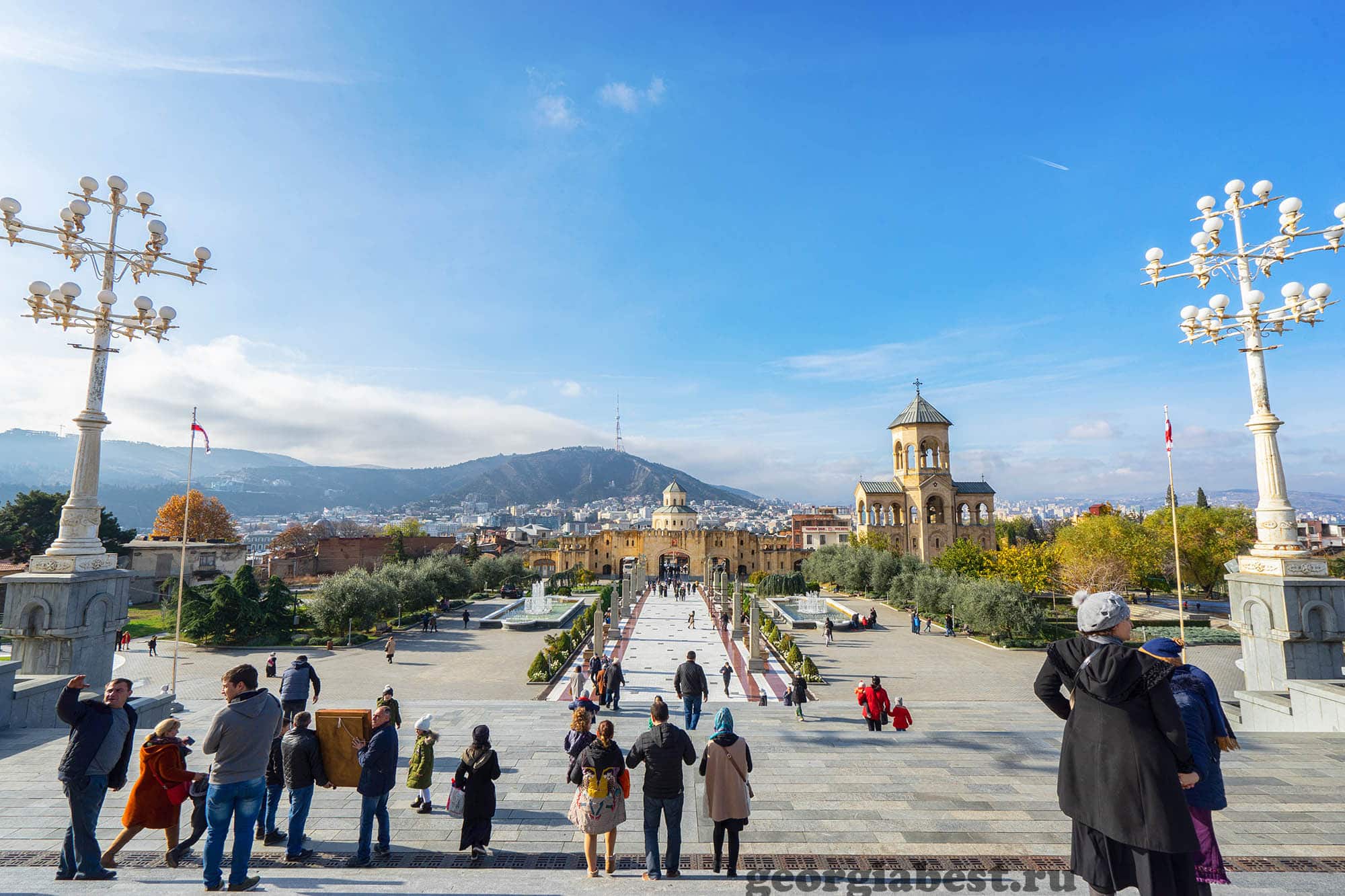
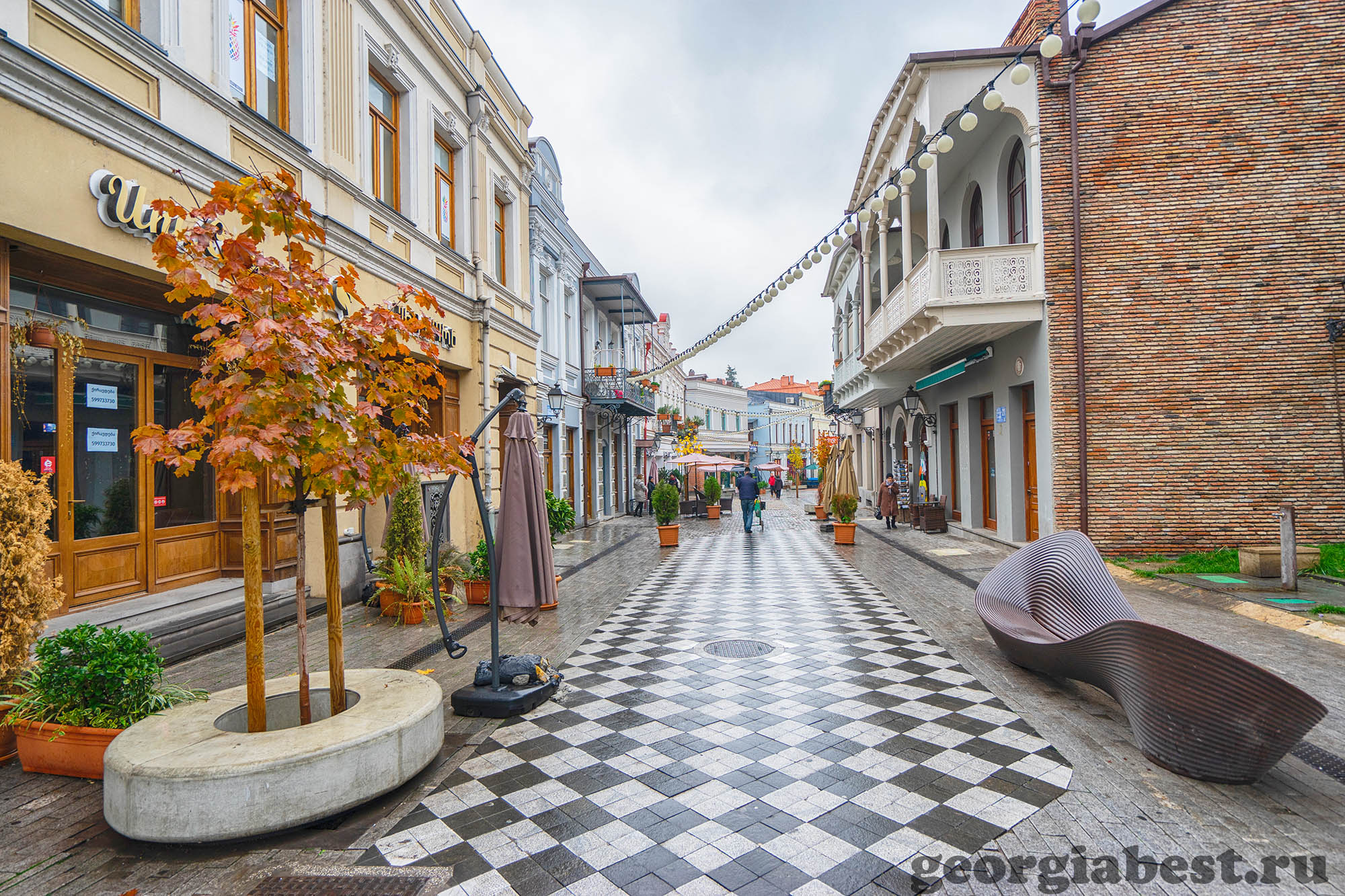
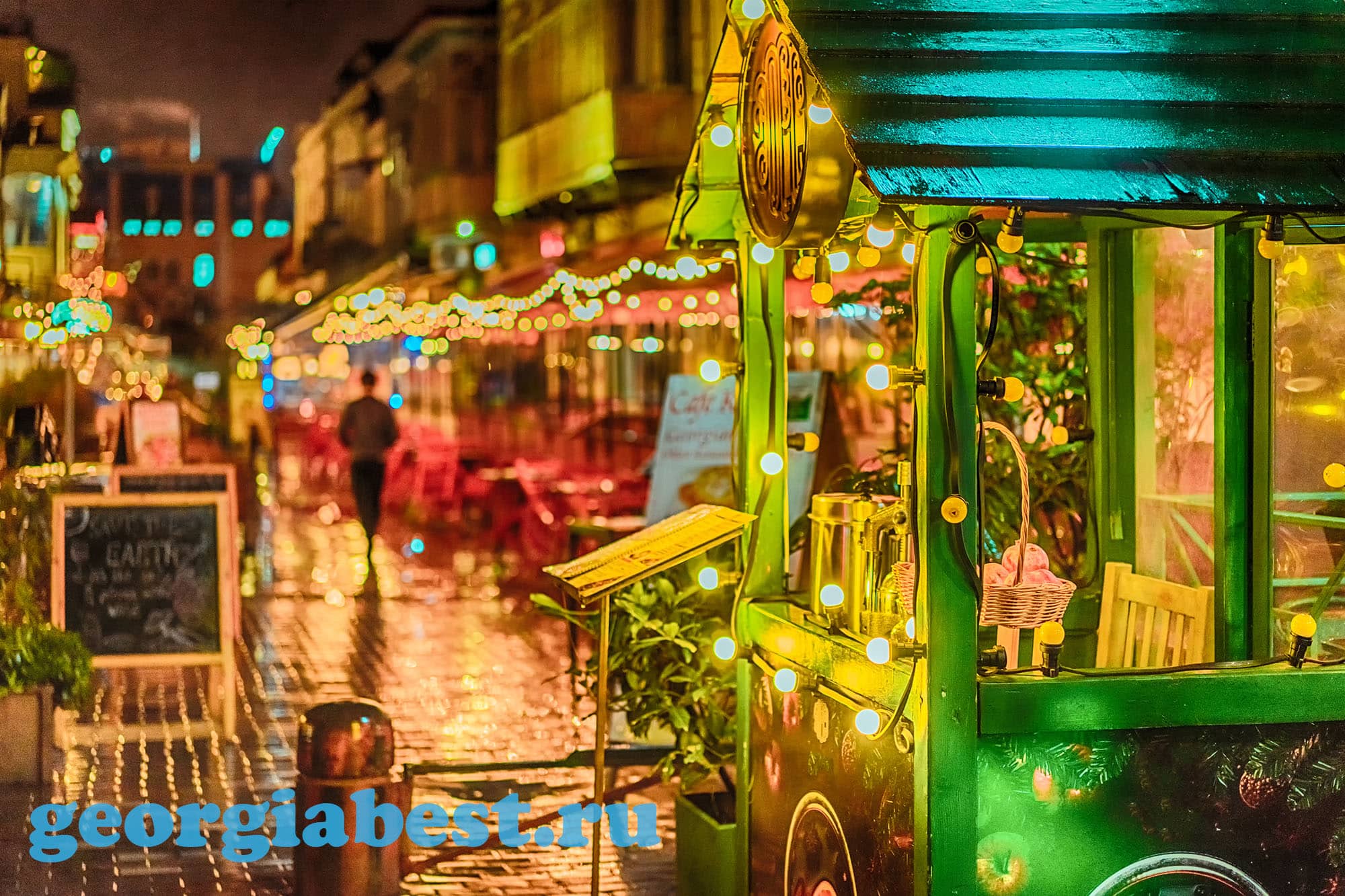
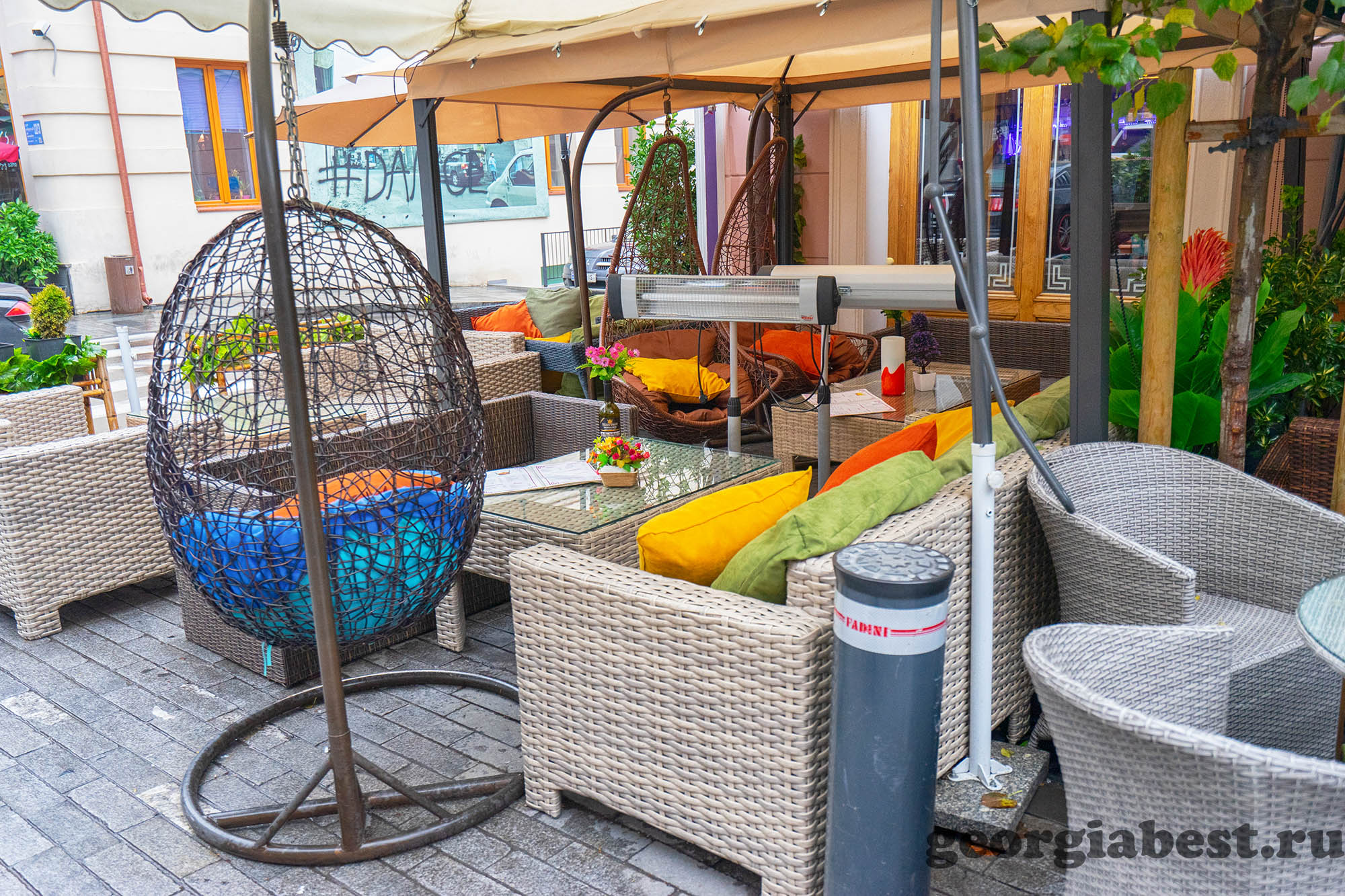
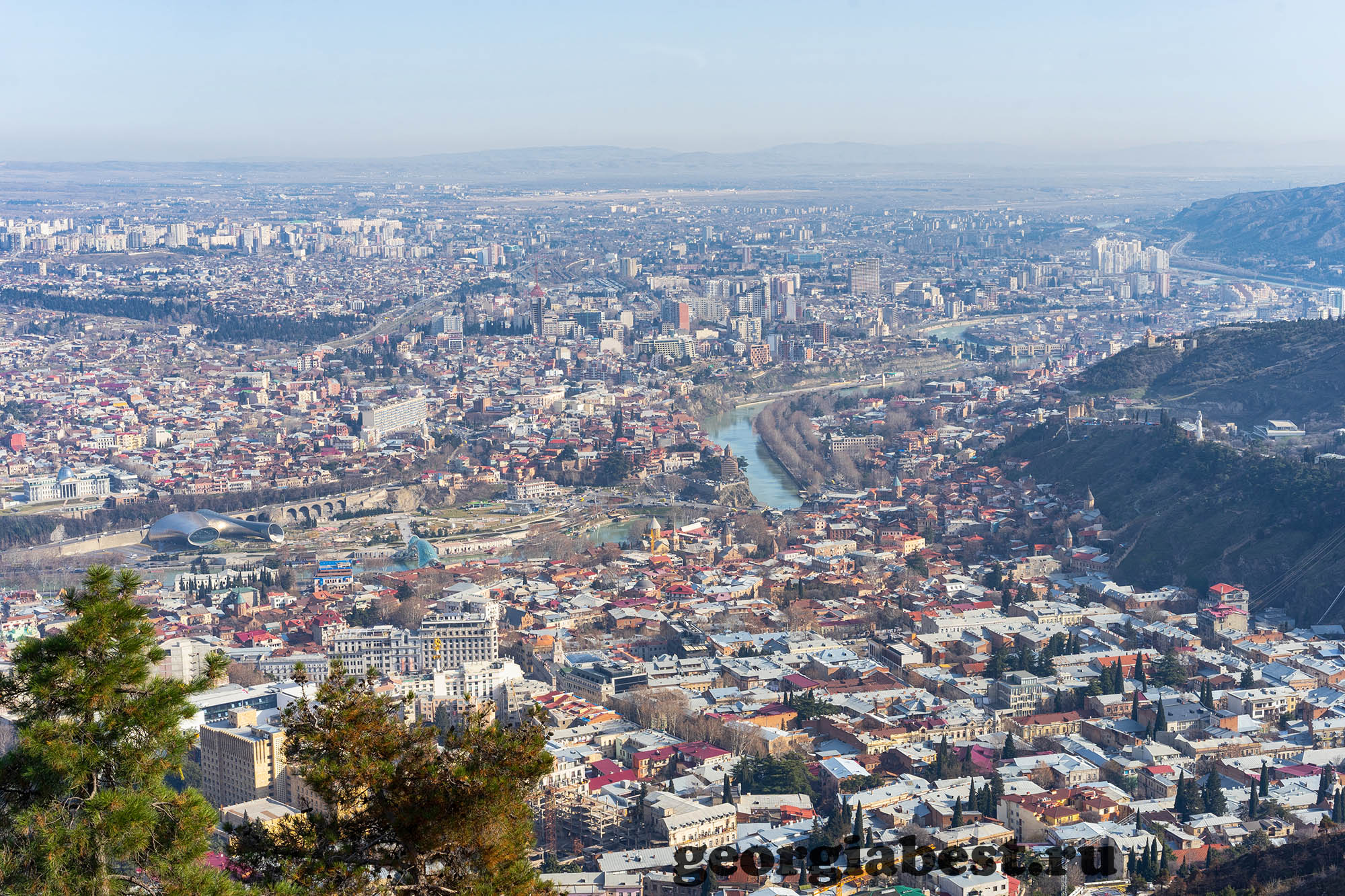
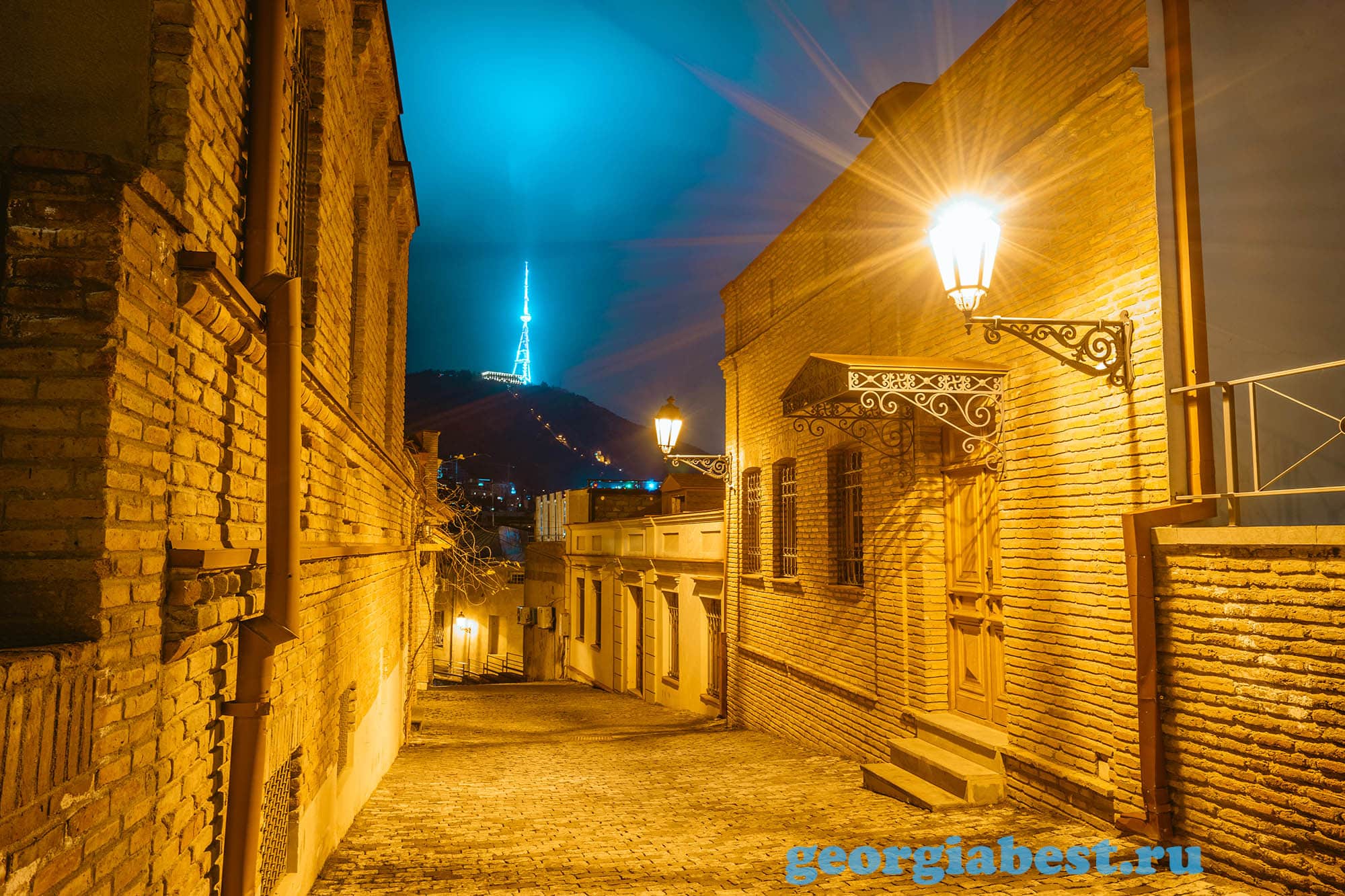
Almost all these photos were taken in February, hard as it is to believe: the harshest winter month, and not a hint of snow in Tbilisi.
Batumi in winter
Batumi is not the most popular winter destination, but thanks to Kutaisi (Kopitnari) Airport, which is closer to Batumi than to Tbilisi (Kopitnari–Batumi 148 km, Tbilisi–Batumi 370 km), and above all to Batumi’s own international airport with attractive fares and many flights, this seaside city welcomes guests all year round, including in the mild Adjarian winter. Skiers and snowboarders from all over the world also come because of the nearby Goderdzi ski resort.
Winter Batumi is very different from summer Batumi: no crowds of tourists in town or on the beach, no sky-high prices for accommodation and services. The Batumi Boulevard is empty, but no less beautiful. Swimming in the sea is out of the question, of course, but breathing the healthy sea air, walking through the old town, getting to know its architecture and good-natured people will be interesting and enjoyable. Batumi has many stories for you, and local guides will be happy to tell them.
Weather in Batumi in winter
The weather in Batumi in winter is more often pleasant than not. This seaside city is very warm and sunny in the winter months, and the air often warms up to +15–20°C!
Snow, which falls in Batumi once every five years or so, looks simply fantastic. Few are lucky enough to see it, as snow never lies here for more than 12 days a year at most; but sometimes it happens, and then the city looks like an illustration from a Christmas book: sea, palm trees and white snowdrifts. Rainy winter days are more familiar to Batumi residents, as the climate is very humid. Batumi was called the “bladder” of the USSR because it had the highest humidity (70–80% on average). But there are plenty of fine days too, and the wettest period is autumn.
Weather in Batumi in January
You will not find a warmer winter in Georgia than in Adjara. The average January temperature in Batumi is around +7°C. It is often much warmer, ideal weather for walking around the city and along the promenade.
The air here is always humid, so in windy weather it feels colder. Then you can sit in a café and admire the sea from the window.
But when the sky is clear and sunny, Batumi can be as warm as summer. People often walk around in light sweaters in mid-January. But as soon as the sun hides and it starts to rain, everyone wraps up in warm, thick jackets.
One more fact about winter weather in Adjara: at the end of February trees here start blossoming en masse. Winter on the calendar, spring in full swing outside.
Photos of Batumi in winter
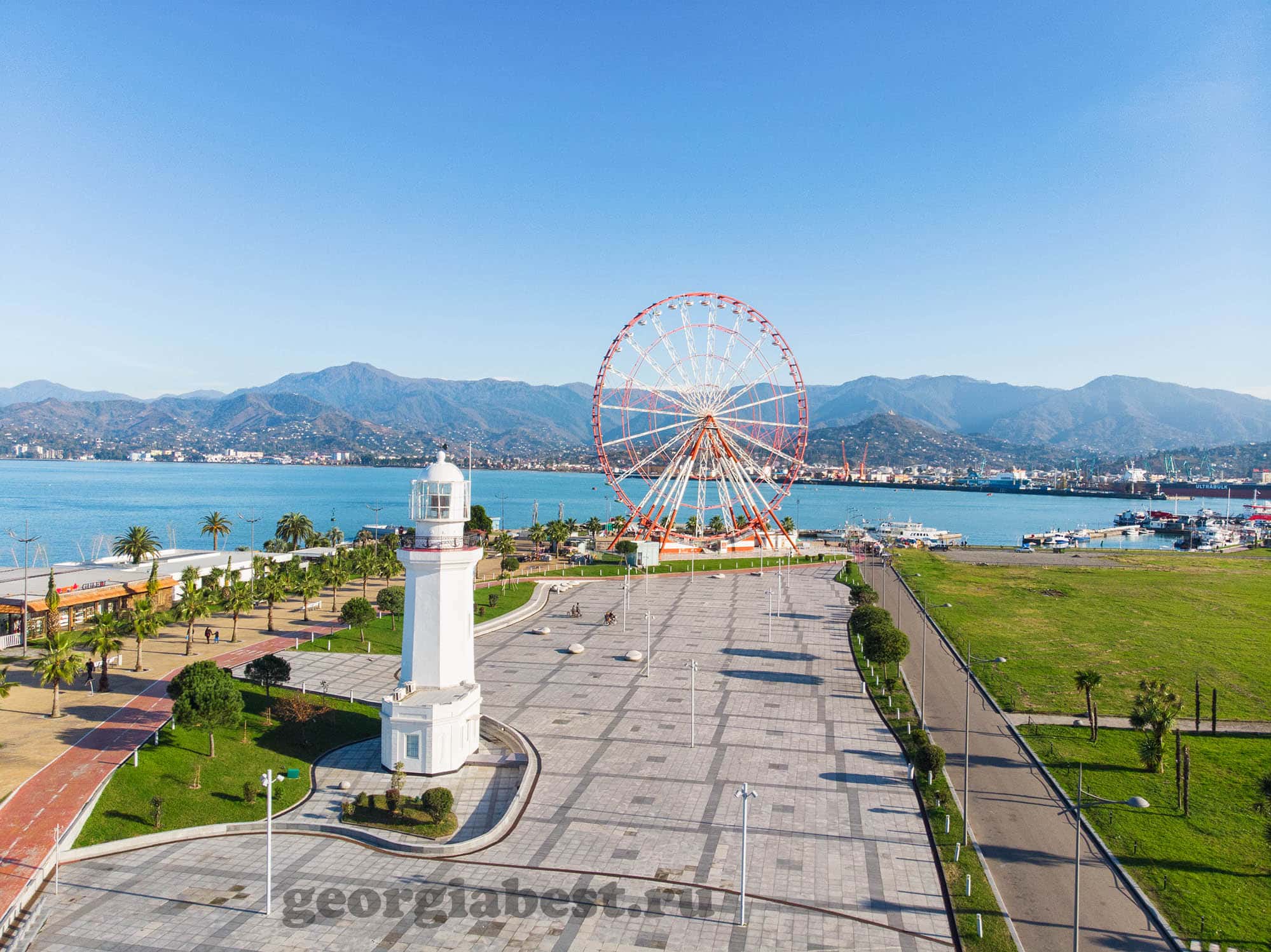
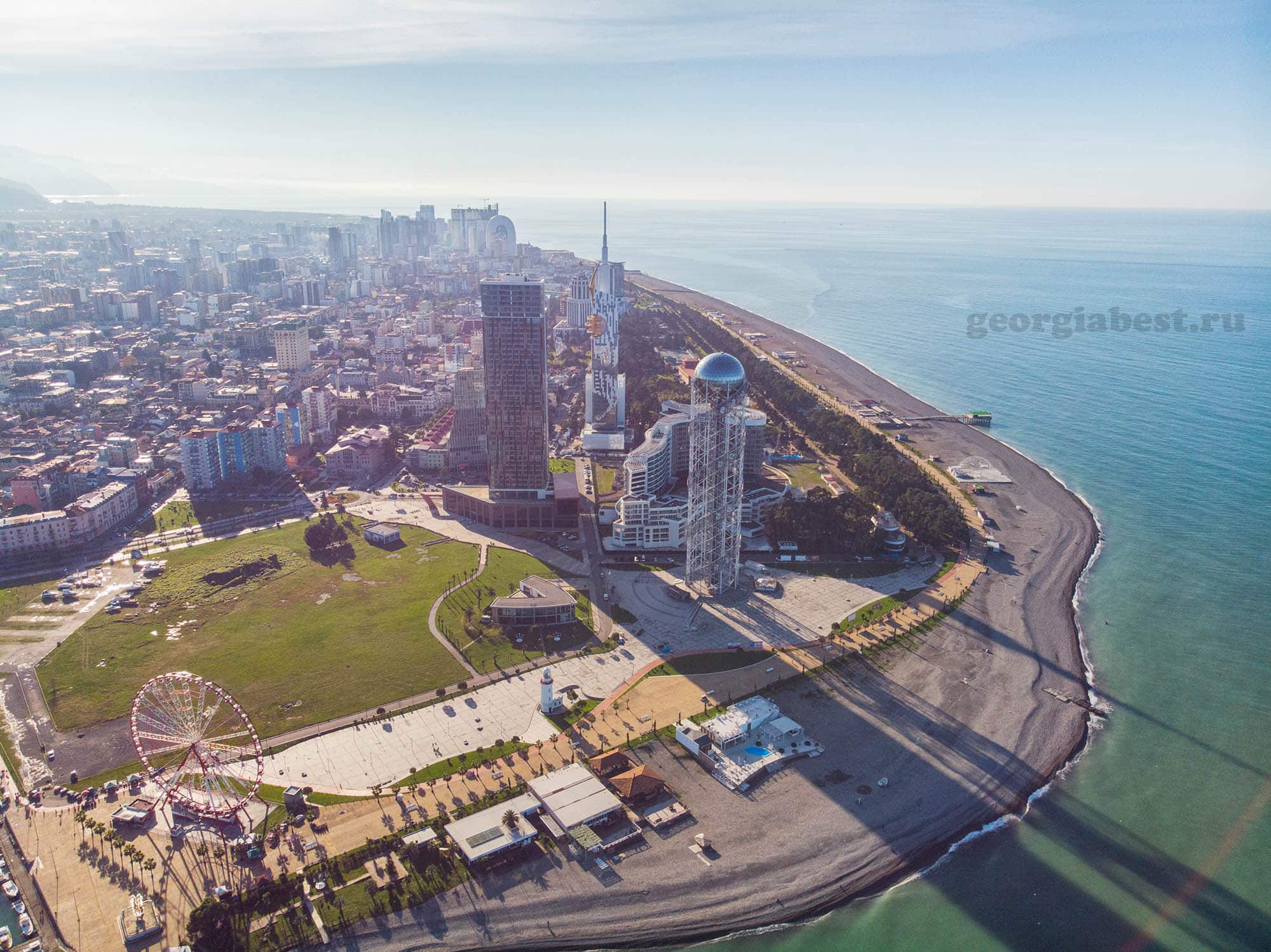
While people go to Tbilisi to see old buildings, the seaside city attracts tourists not only with its charming old town but also with modern, futuristic buildings. There are many original monuments and sculptures that visitors love to photograph. For example, the moving sculpture of Ali and Nino has long been the city’s calling card. There is a lot that is unusual in the local architecture, plenty to see and admire.
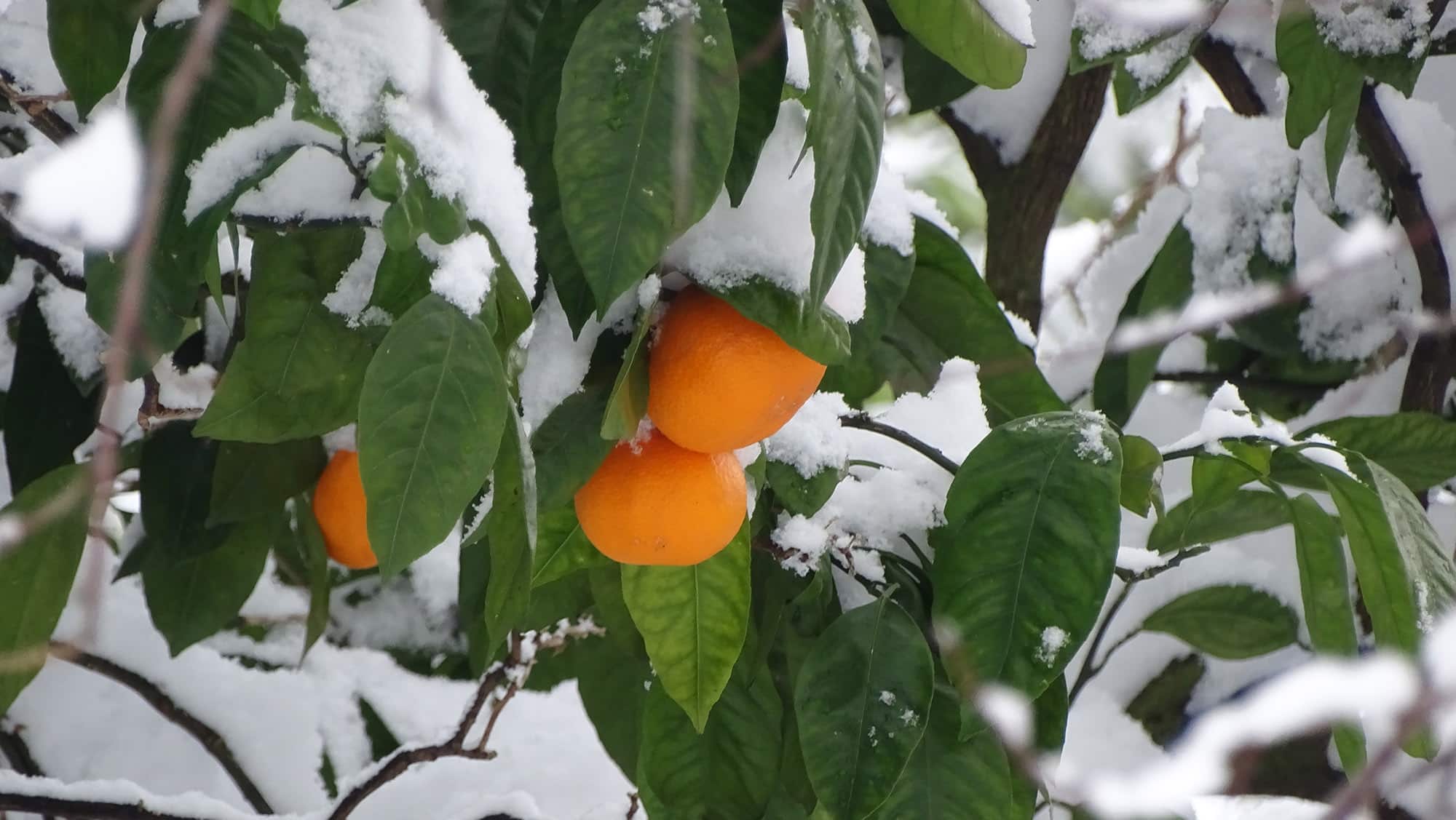
Showing photos of my hometown in winter is even a bit awkward. I rarely go there in winter, and snow even more rarely, so the two of us have not met in Batumi for a long time, and I have no photos of it with snow.
Looking at these shots, you cannot shake the feeling they were taken in summer. Only the empty beaches and seaside boulevard give away that it is winter.
But I did find one photo with snow, if not from the city then from just outside Batumi:
New Year in Batumi
Many locals come here specially for the New Year concerts, which are held free of charge on stages around the city. Not only local but also well-known foreign artists perform.
In Batumi in January, during the holidays, there are New Year fairs with lots of handmade goods and traditional treats and drinks. At New Year the fountains run, lights sparkle, and all around are beautiful ornate houses, palm trees and the sea on the horizon.
Around Batumi in winter, just as in season, you can see the Gonio Fortress, take a trip to the Makhuntseti waterfall, and from here it is easy to head to the Goderdzi ski resort. In general, as the climate in Adjara is subtropical, almost all the same routes and tours are available in winter as in summer. Snow only lies permanently in Khulo, and the whole of mountainous Adjara is open to you without any special winter transport.
We hope that after reading this article you will see that Georgia is no less attractive for a winter holiday than in the warm season. There is always something to do here, and you will find something interesting that suits you. No wonder so many travellers come back again and again all year round.
Georgia in winter FAQ
Is it worth going to Georgia in winter?
Yes, if you are not expecting a beach holiday. There is no heat or crowds in the cities, accommodation is cheaper, the ski resorts are open, and New Year in Tbilisi and Batumi is a treat in itself.
What is the weather like in Georgia in winter?
In Tbilisi the January average is about +2°C, in Batumi about +7, and in the sun it can reach +15 during the day. The mountains are cold and snowy: around −5 at the ski resorts, and down to −20 in Svaneti and Javakheti.
Can you go to Georgia in December?
Yes. The ski resorts open at the end of December, and Tbilisi and Batumi are decorated for New Year. Book a restaurant table for New Year’s Eve several weeks ahead.
Is it worth going to Batumi in winter?
Yes, if you want quiet and the sea without crowds: it is the warmest place in Georgia in winter, and it is a convenient base for Goderdzi. Swimming in the sea, of course, is not an option.
Read also: The best hotels in the mountains of Georgia, Top 15 sights of Georgia, Borjomi, Gergeti and Stepantsminda, Adjara.

Hello!
I am Victor, the founder of this site and its main, but not the only author.
Traveler and photographer. Visited more than 60 countries.
Born and raised in Batumi. I love to travel in Georgia.
More about me here.