


What is Georgia? Georgia is unique nature with a huge variety of landscapes. Here you can see a bright blue sea against snow-capped peaks, enjoy cool mountain rivers and the rustle of ancient forests. Georgia is a historical and spiritual treasure, beautifully expressed in its architecture and churches. Georgia is the divine polyphony of a nation that sings superbly, and Georgia is also a delicious cuisine known all over the world. In fact, for many tourists, a feast lasting hours with dozens of toasts and an endless flow of dishes is the main reason to come to Georgia.
So what makes Georgian cuisine so unique? We will try to explain in this article. But what story about Georgia would be complete without a legend? They say that long ago God had to cross the high Caucasus range. The journey was long and hard, and on the way God did not notice that bread and meat fell out of his bag onto the ground. The place where these divine foods fell came to be called Georgia. Knowing how much Georgians love to cook and how good they are at it, there is no reason to doubt this origin of the proud and beautiful country.
Here are the most popular Georgian dishes, the ones an inexperienced traveller can easily get confused by.
Georgian cuisine: what to try first
If you are in Georgia for the first time and do not know where to start, here is a short list of Georgian dishes without which the trip does not count:
- Adjarian khachapuri: a “boat” with cheese, butter and egg.
- Khinkali: eaten with your hands, drinking the broth first.
- Pkhali and badrijani: cold starters with walnut paste.
- Mtsvadi: Georgian barbecue over charcoal.
- Chkmeruli: chicken in a creamy garlic sauce.
- Kharcho and chikhirtma: the main soups.
- Sulguni and Imeretian cheese, best with fresh shoti bread from a tone oven.
- Churchkhela: a sweet made of nuts and grape juice.
Vegetarians will not go hungry in Georgia either: pkhali, badrijani, lobio, ajapsandali, khachapuri and every kind of bread.
Dishes of Georgian cuisine
Khachapuri: Adjarian, Imeruli, Megrelian and achma
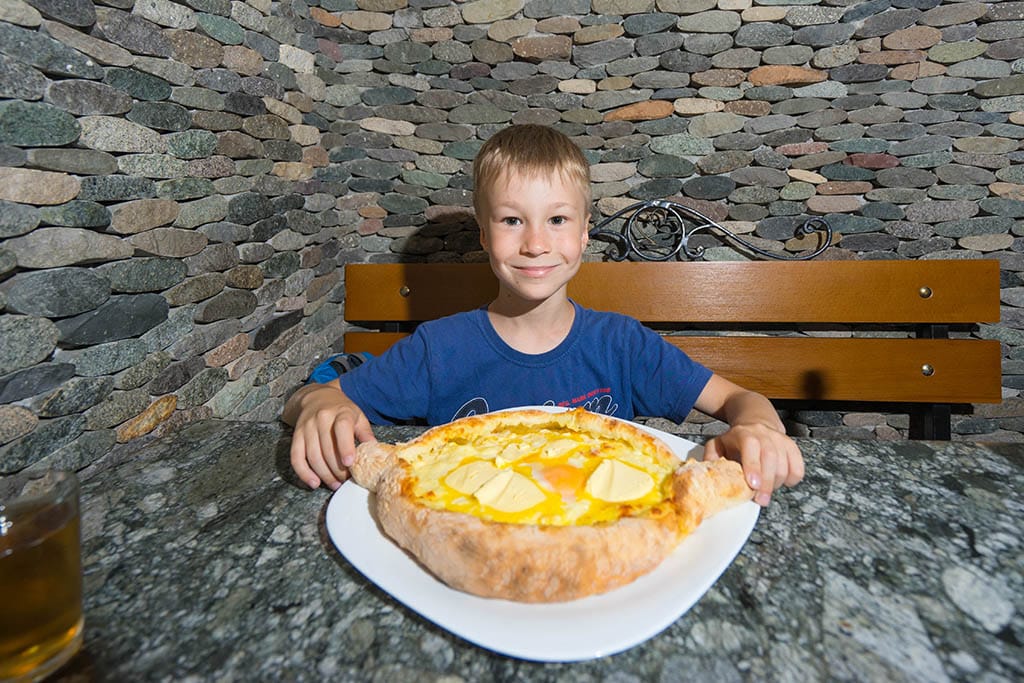
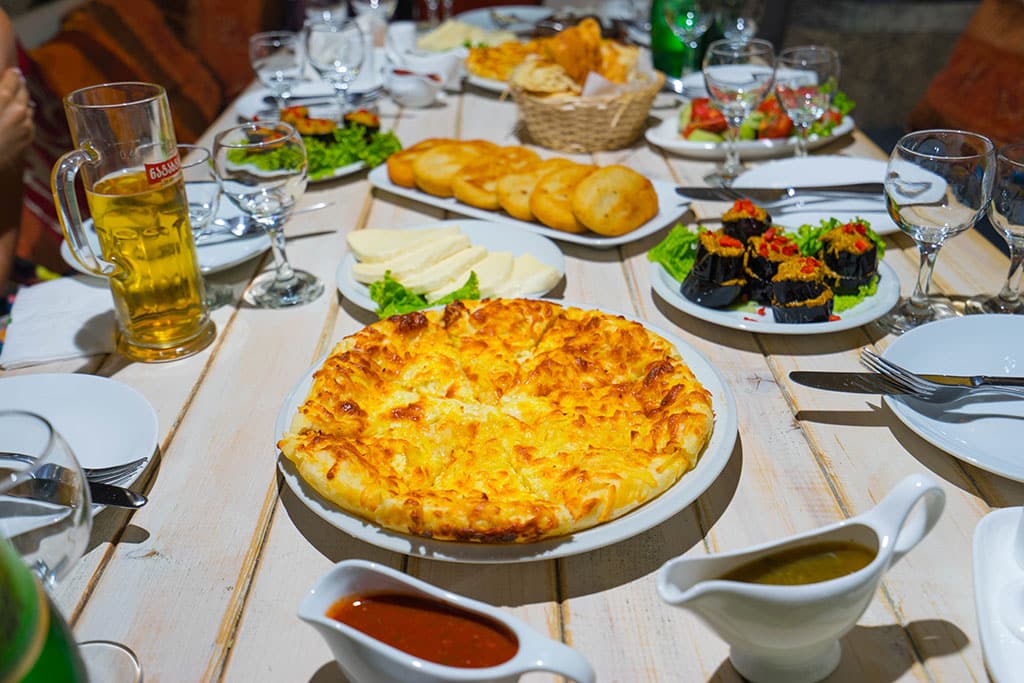
- The boat-shaped khachapuri comes from a cosy, sunny corner of Georgia, Adjara, hence its second name, Adjarian khachapuri. The cook rolls the dough into a special boat shape and fills the middle with several kinds of cheese, butter and, if the guest wishes, an egg (one or more, chicken or quail). You eat it by tearing off pieces of the crust and dipping them into the thick, rich filling. The taste is divine. It is the only open-pie khachapuri; all the others are baked as ordinary closed pies.
Read also: The best Adjarian khachapuri in Batumi
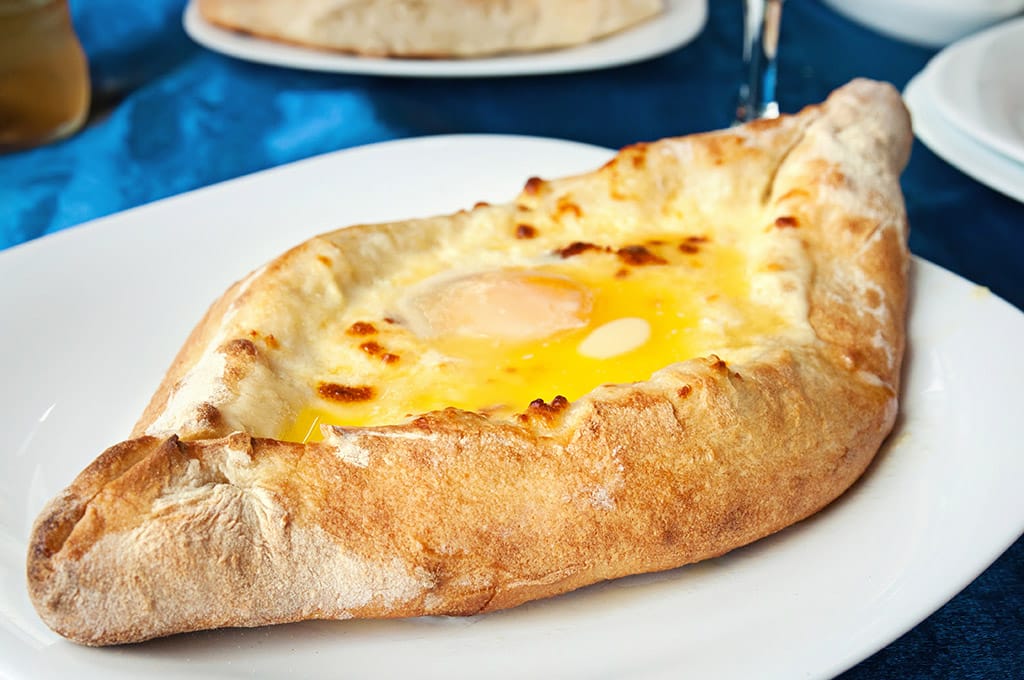
- Imeruli, or Imeretian khachapuri, is a round flatbread with lots of grated cheese of different kinds baked inside. It is very filling, so if you are not used to it, do not pounce on it at the start of the meal. It is served as a starter, but you risk filling up on it straight away, and there is still so much good food to come.
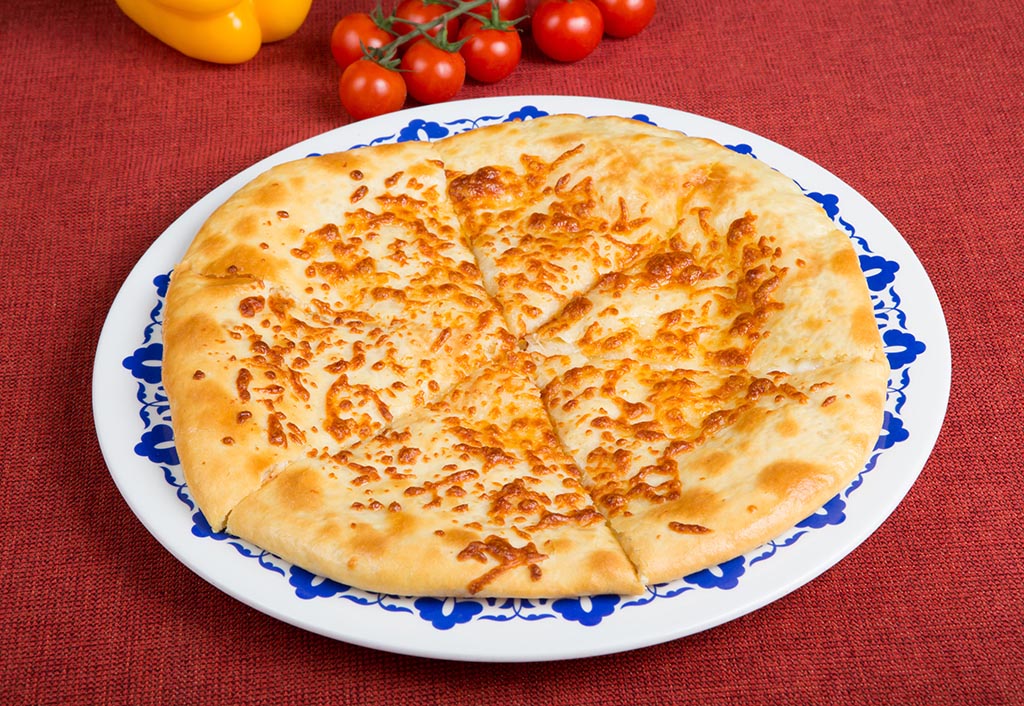
- Megrelian khachapuri differs from Imeretian in that the cheese filling goes not only inside the dough but also on top. Lots of cheese inside and out: a treat for cheese lovers.
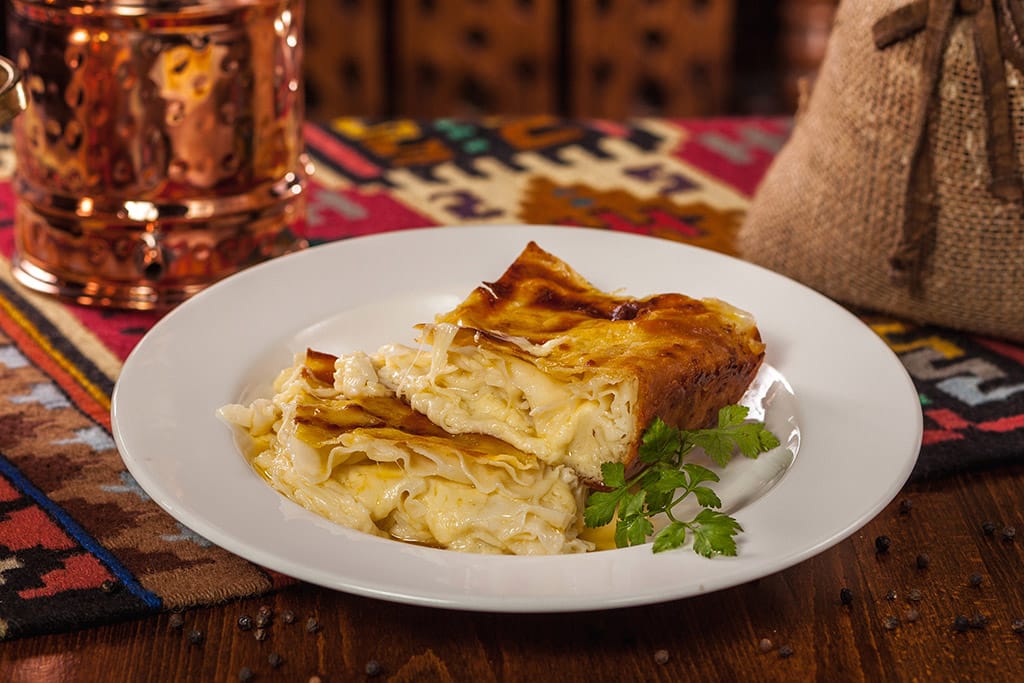
- Achma is a festive, or royal, khachapuri that often takes half a day to make. It comes from Adjara. It is a fluffy layered pie, each layer sprinkled with cheese and brushed with butter. Very filling, very rich and unbelievably tasty.
-
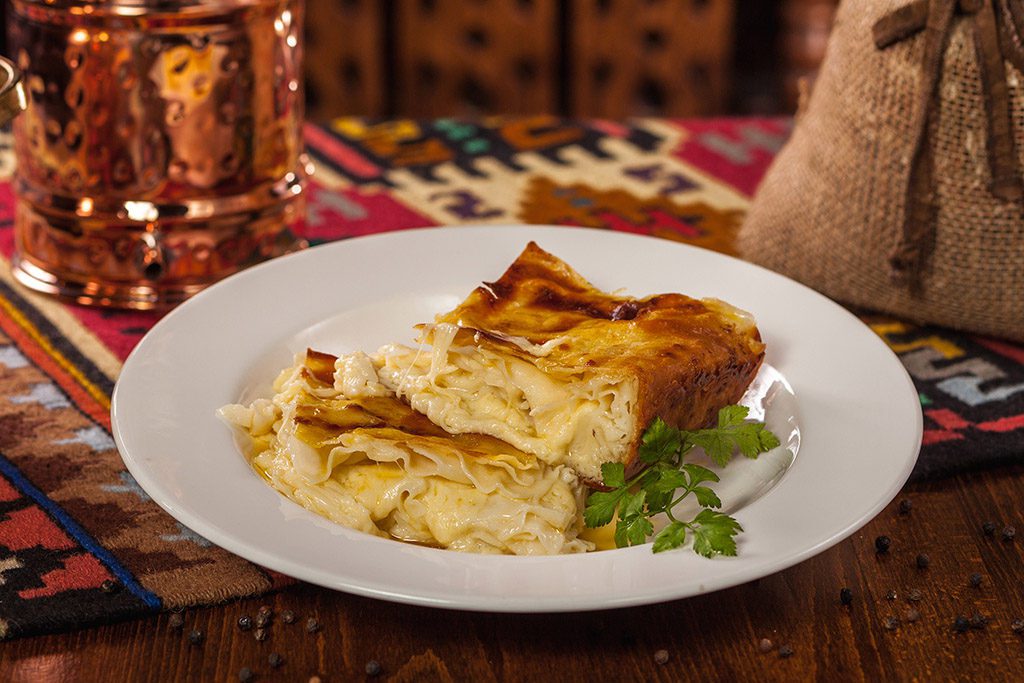
Achma, Georgian layered cheese pie
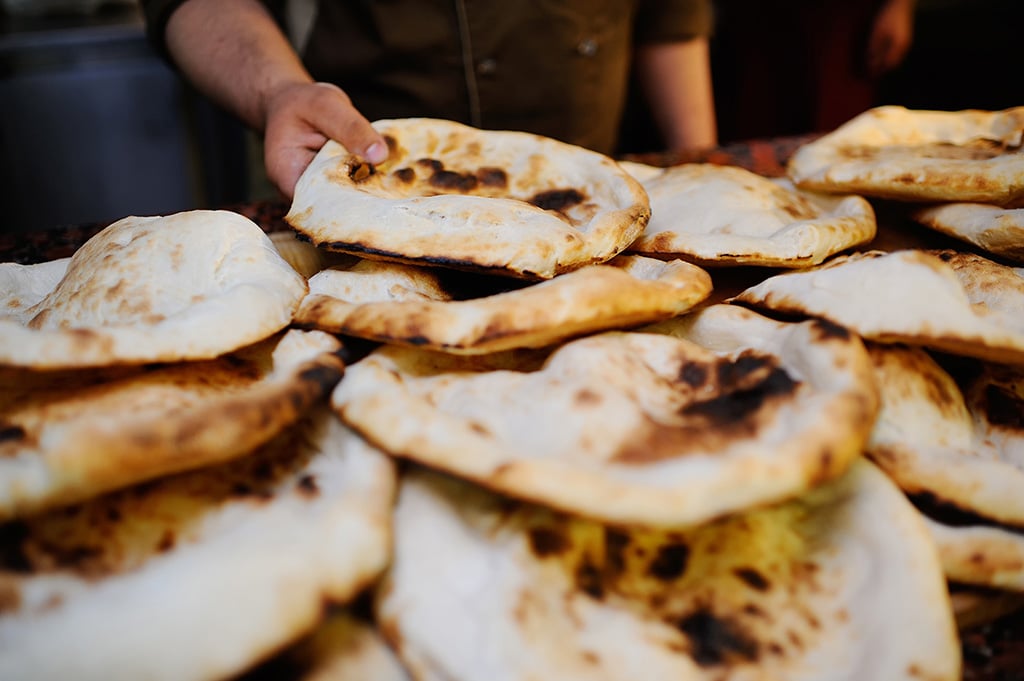
Bread in Georgian cuisine
You might think, why would you need bread with so many kinds of khachapuri? Not at all: Georgian bread is a wonder of the world. Just as with khachapuri, every region competes for the tastiest bread. So here is the whole variety:
- Mrgvali (round) is ordinary wheat bread, soft and airy.
-
- Shoti is an elongated bread, a bit like a cocked hat. It is baked only in a tone, a well-shaped oven.
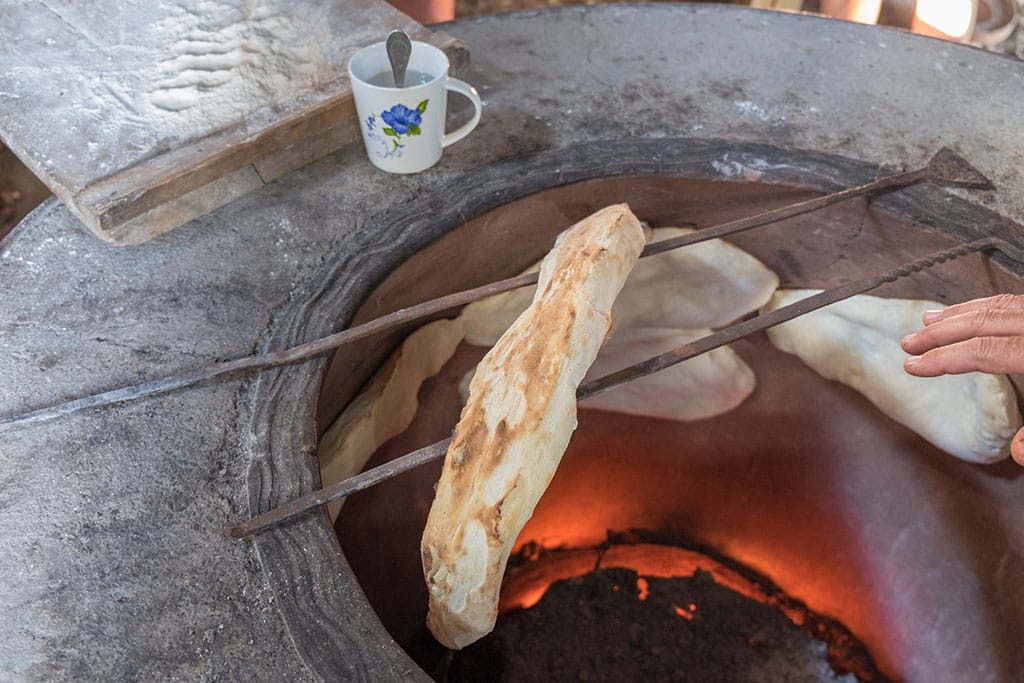
- Lavash is a Georgian bread, also baked in a tone, with a denser texture and a round shape.
-
- Nazuki is a sweet wheat bread. It is more like a bun, as it contains plenty of spices and raisins.
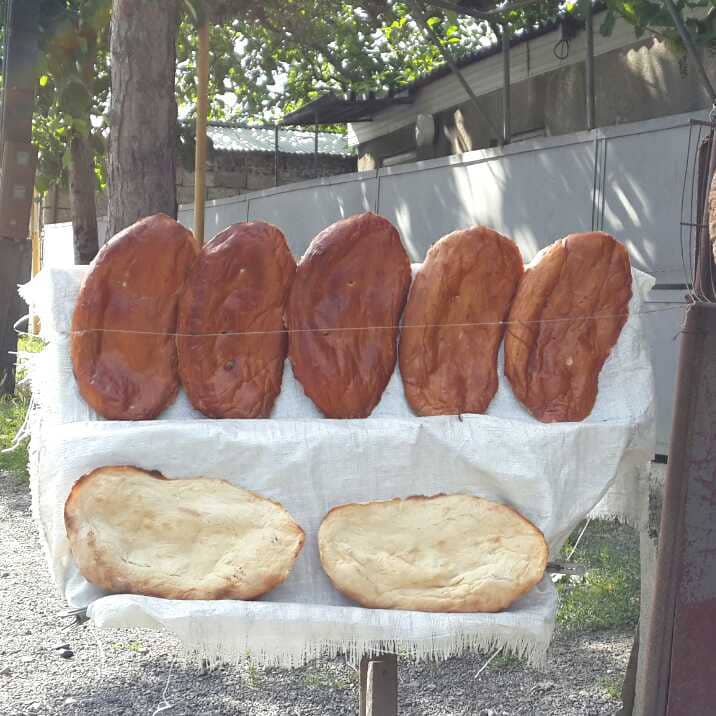
Nazuki is sold on the Tbilisi–Batumi highway, in the village of Surami, where a whole village makes a living from it.
-
- Mchadi is a corn flatbread fried in vegetable oil with a wonderful crispy crust.
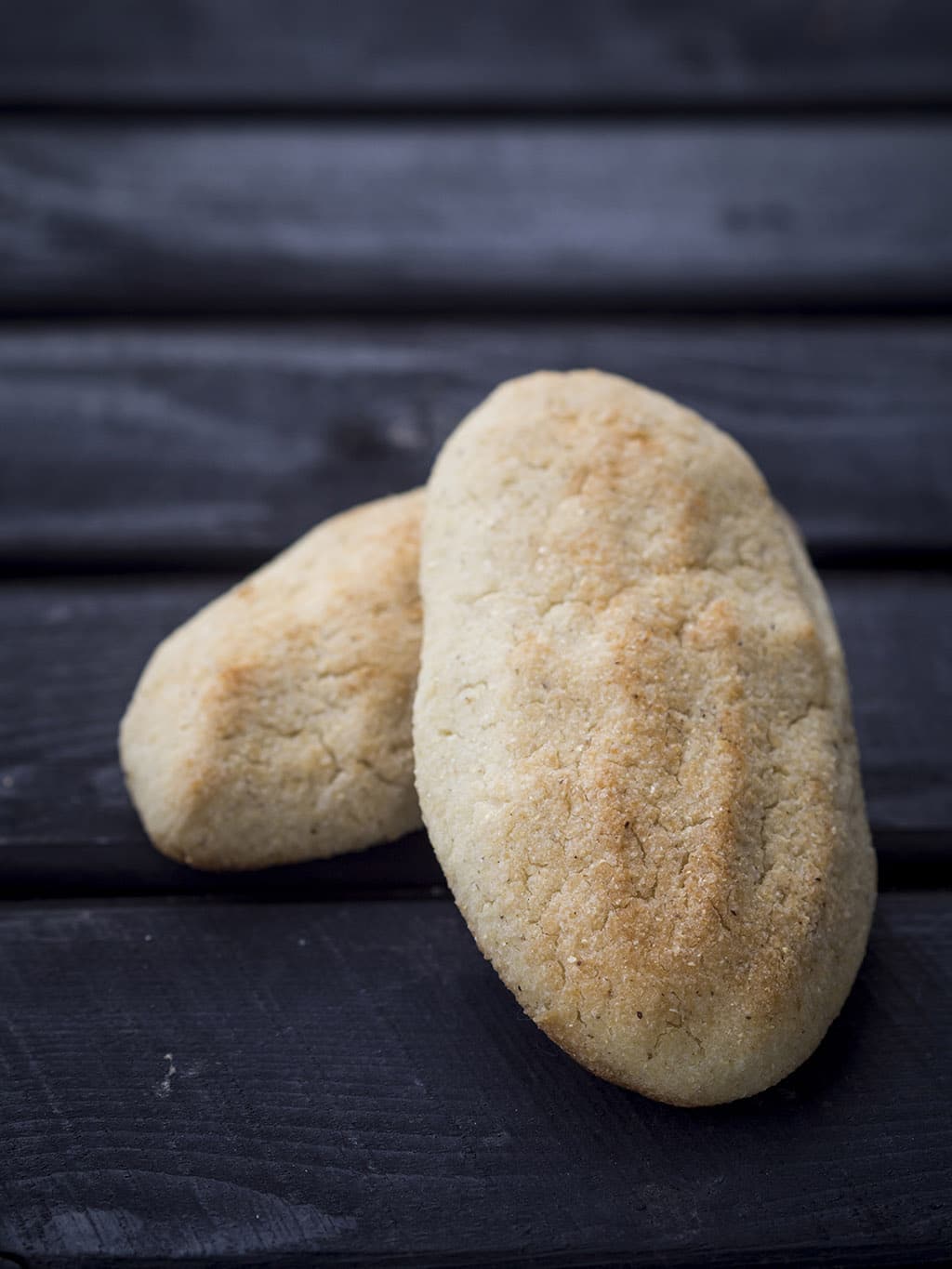
- There is also mchadi baked in ketsi, special clay dishes, over charcoal. No oil is used, so this bread is healthy and low in calories.
Starters: pkhali, badrijani and ajapsandali
- Pkhali: balls or patties of chopped greens, spinach, beetroot or beans with walnuts, garlic and spices, usually topped with pomegranate seeds. One of the main cold starters at any feast.
- Badrijani: thin slices of fried aubergine rolled up with walnut paste inside. Served cold, often with pomegranate too.
- Ajapsandali: stewed aubergines, peppers, tomatoes and onion with lots of herbs. Good both hot and cold.
Georgian meat dishes
Think the imagination of Georgian cuisine ends with flour dishes? Not at all. Meat is what Georgia cooks better than any other country in the world, in hundreds of ways, since time immemorial. Let’s work out what’s what, and we advise vegetarians to skip this chapter, or you may well give up your conviction not to eat meat. We will start with a dish that combines dough and meat.
-
- Khinkali are not just a delicious culinary attraction, they are a whole religion in Georgia. They are little pouches of dough filled with minced meat. How are khinkali different from manti? Firstly in looks, and also in how they are cooked. Khinkali are made from fairly firm dough and boiled in water or even broth. Manti are steamed and very often have vegetables in the filling as well as meat.
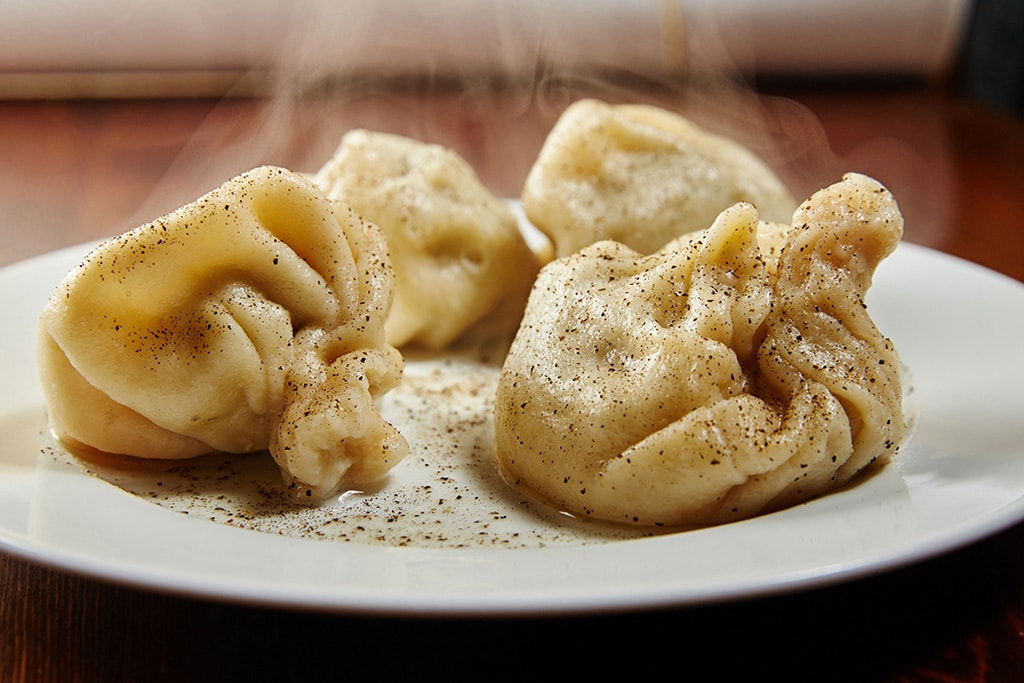
There is only one right answer to the question of what to eat khinkali with: nothing! On the day khinkali are served, there is usually nothing else on the table, because khinkali need nothing. But you have to eat them correctly, with your hands, without cutlery. Bite into one side, first drink the delicious juice inside, and only then enjoy the minced meat with its many spices. The twisted dough top is usually not eaten but left on the plate, so at the end of the feast everyone can count how many khinkali they ate. Guests often compete to eat the most, as nobody has cancelled the element of competition at a Georgian table. Eating khinkali, drinking wine, listening to endless toasts and Georgian feast songs: that is why so many tourists come to this country.
-
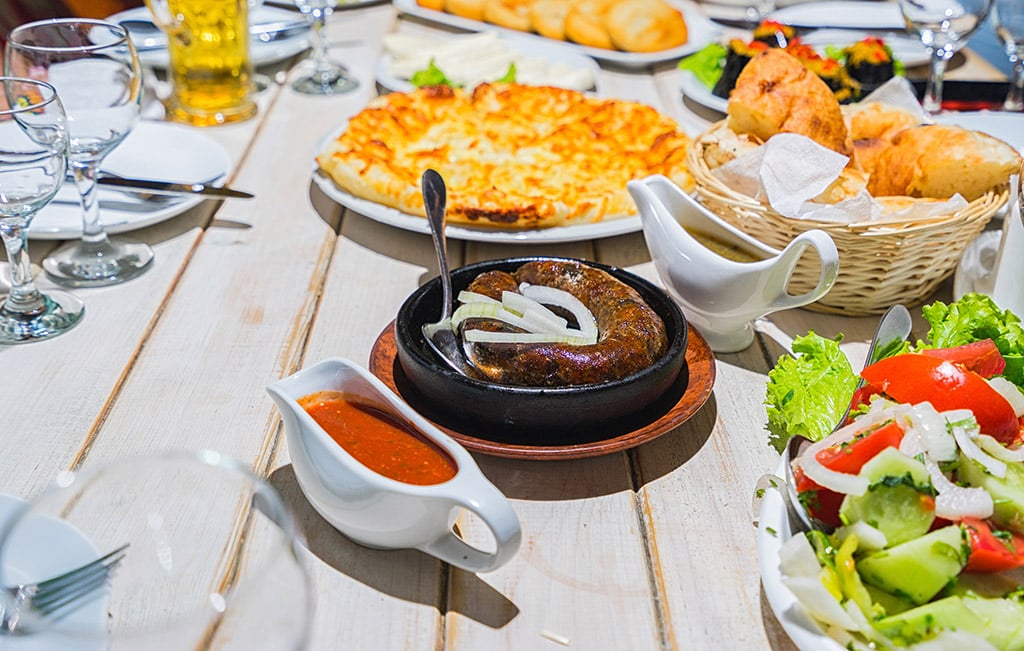
- Dishes cooked over an open fire are a separate cult in Georgian cuisine. One of them is kupati: chopped or minced meat (most often offal) with spices and hot pepper in a natural casing, grilled over charcoal.
-
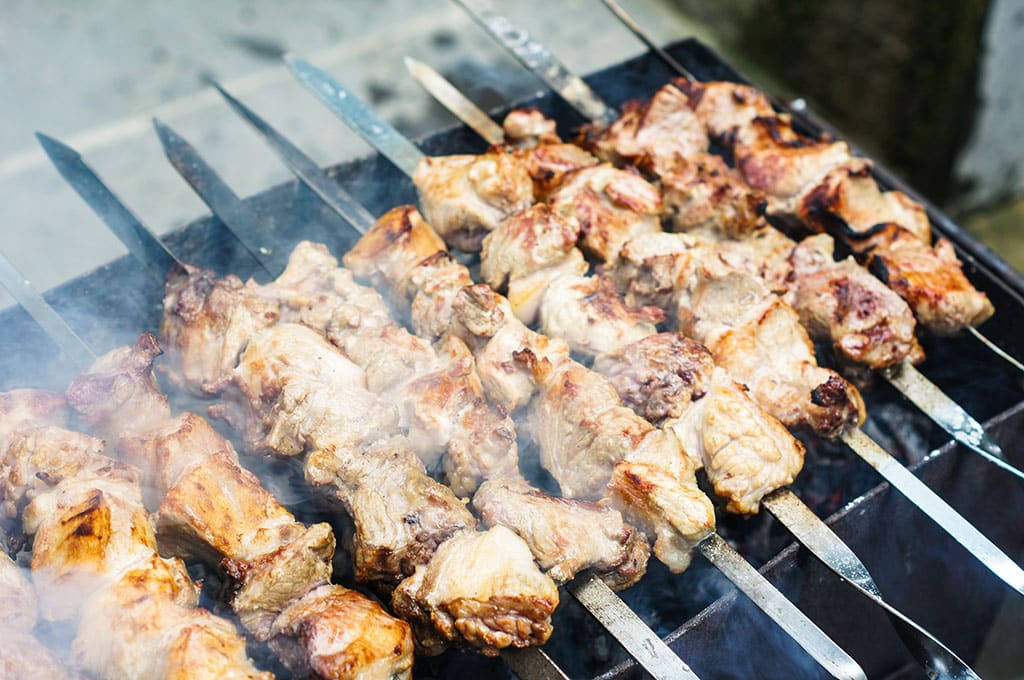
- Shashlik (mtsvadi) in Georgia is the dish that ends the feast, as it is served last. The recipe is simple to the point of absurdity: take fresh meat, cut it into portions and marinate it properly. Every cook keeps his own marinade a secret. The rest is technique: the meat is threaded onto skewers, grilled right over the coals and served piping hot.
-
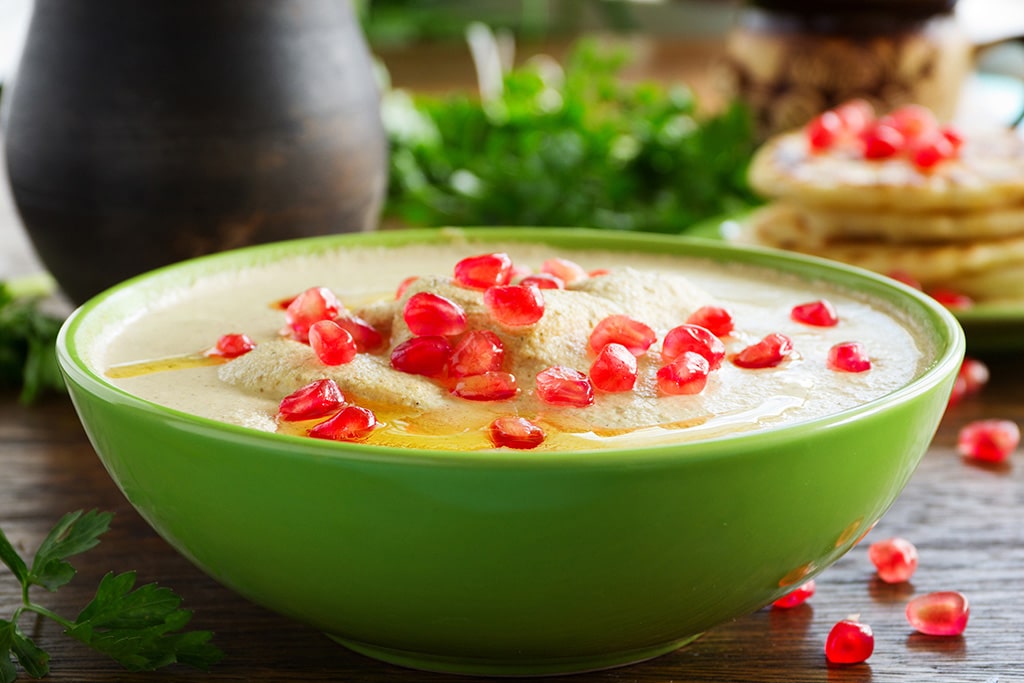
- For satsivi, Georgians use chicken, turkey or even goose. The whole point of the dish is its walnut sauce. The bird is first boiled, sometimes roasted, and then covered with a sauce of ground walnuts and spices. Satsivi is served cold.
-
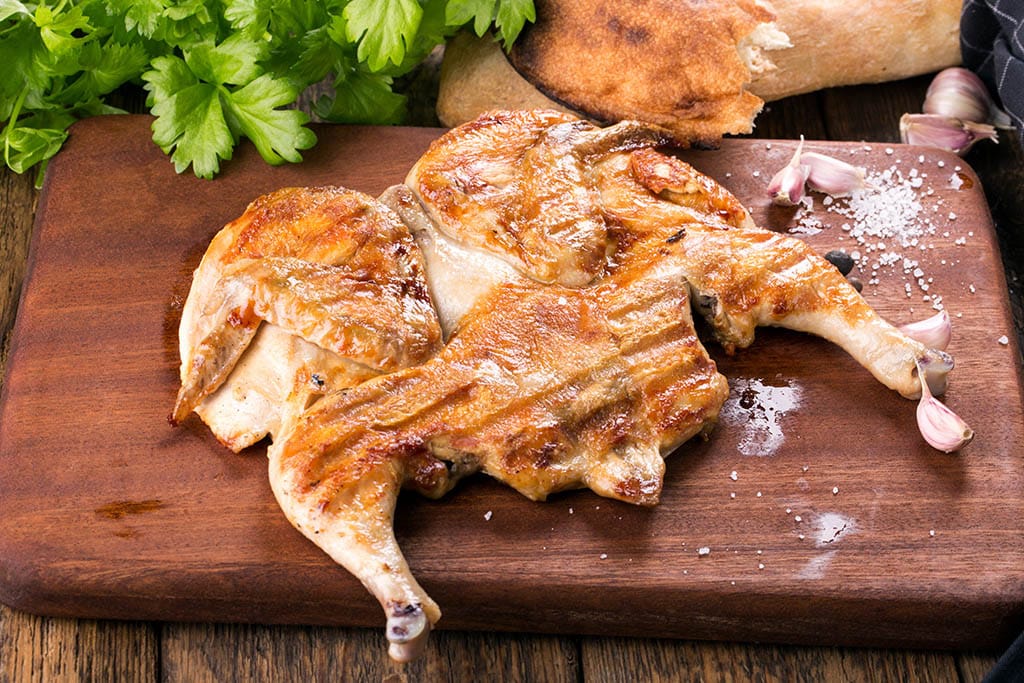
- Chicken tapaka, or tabaka, is also considered a Georgian dish, though some neighbouring countries lay claim to it too. The chicken is cooked with various spices and kept under a press for several hours. Today anything can be used as a press, but in the old days only heavy, flat cast-iron pans were used, and the dish takes its name from them.
-
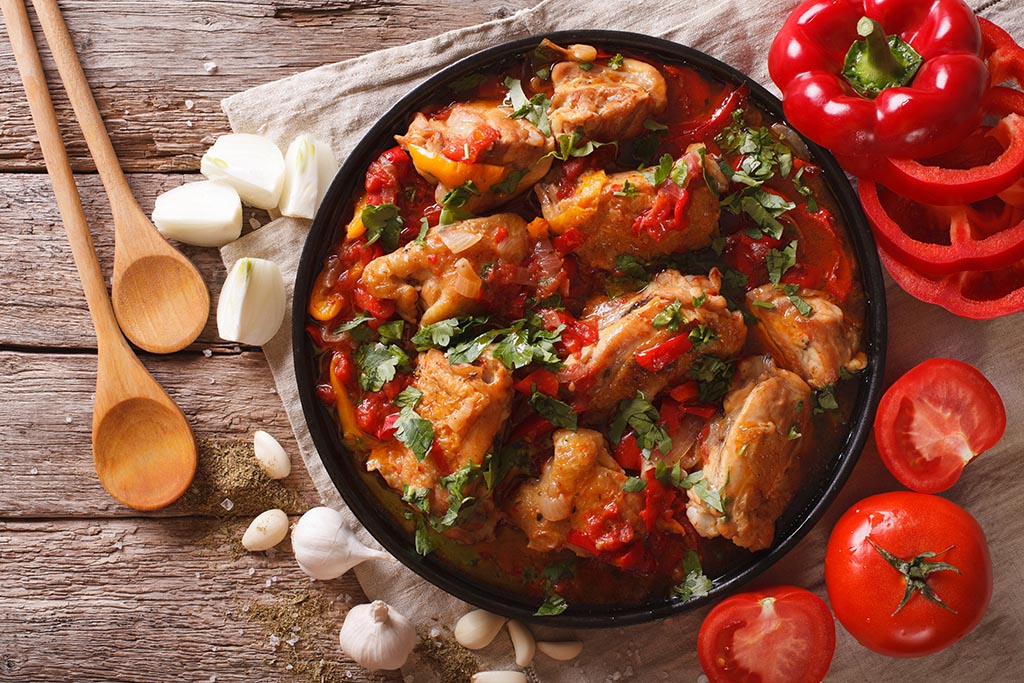
- Chakhokhbili is a very common chicken dish in Georgia, though the recipe varies by region. Pieces of chicken are fried, then plenty of onion, tomatoes and herbs are added, making a fantastically fragrant dish. In the old days chakhokhbili was made only from pheasant, but today you will not find that bird to satisfy your culinary hunger.
More Georgian dishes worth trying
- Chkmeruli (shkmeruli): chicken baked in a creamy garlic sauce in a ketsi clay pan, served sizzling right in it.
- Ojakhuri: fried meat (usually pork) with potatoes, onion and spices, a “family” dish also served in a ketsi.
- Chashushuli: spicy stewed meat with tomatoes and peppers.
- Ghomi and elarji: Megrelian cornmeal porridge. Ghomi is eaten with cheese, and elarji is the same porridge with sulguni stirred in while cooking, so it stretches.
- Kubdari and lobiani: a Svan pie with chopped meat and a bean pie. People often confuse them with khachapuri, but the filling is completely different.
Soups in Georgian cuisine
- Chikhirtma: a fragrant, thick chicken soup with plenty of spices and herbs. Flour is used to thicken it and give its characteristic texture.
-
- Khashi: a unique soup eaten in the morning, because it is preferred as a hangover cure, when you can fully enjoy its garlic aroma and get rid of a terrible headache at the same time. Khashi is made from meat and tripe.
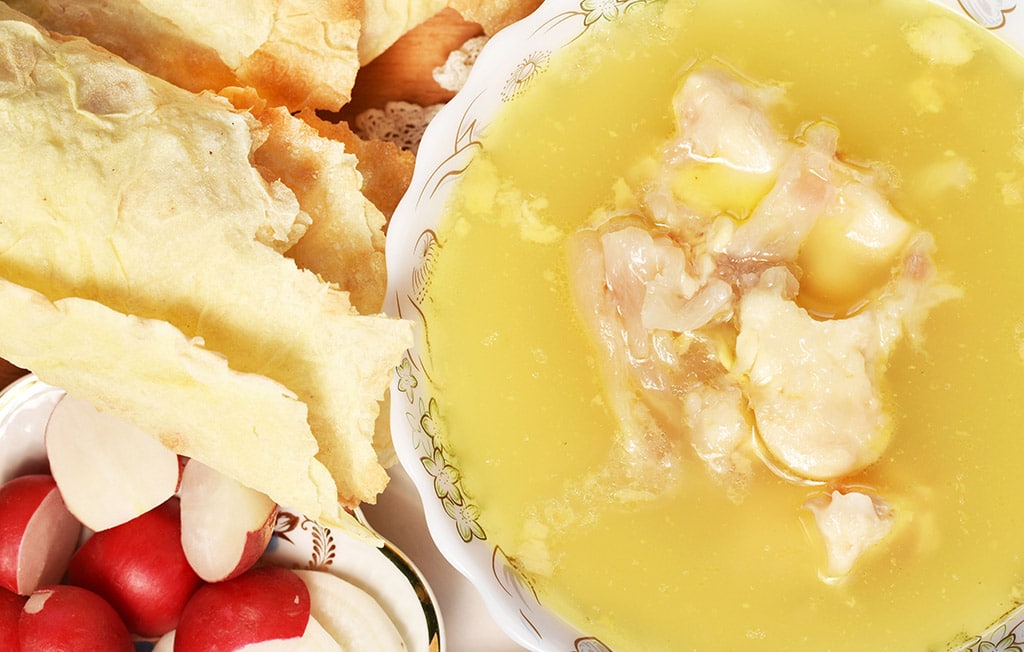
- Khashlama is made from young meat with herbs. No vegetables go into this rich soup. Some gourmets eat khashlama and wash it down with its own broth, served in a glass or bowl.
-
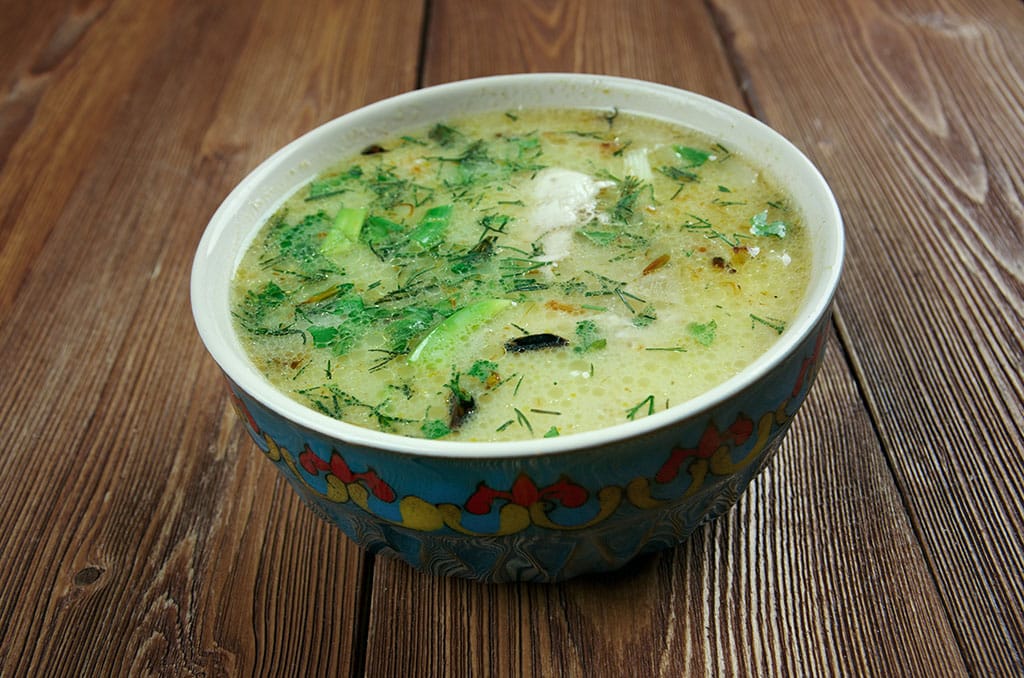
- Chakapuli is an unusual soup of young meat with herbs, spices and sour green tkemali, which gives it a piquant taste.
-
- Kharcho. You will find kharcho in any Georgian restaurant, even far beyond Georgia. It is traditionally made with beef and rice, and walnuts turn it into a wonderful first course.
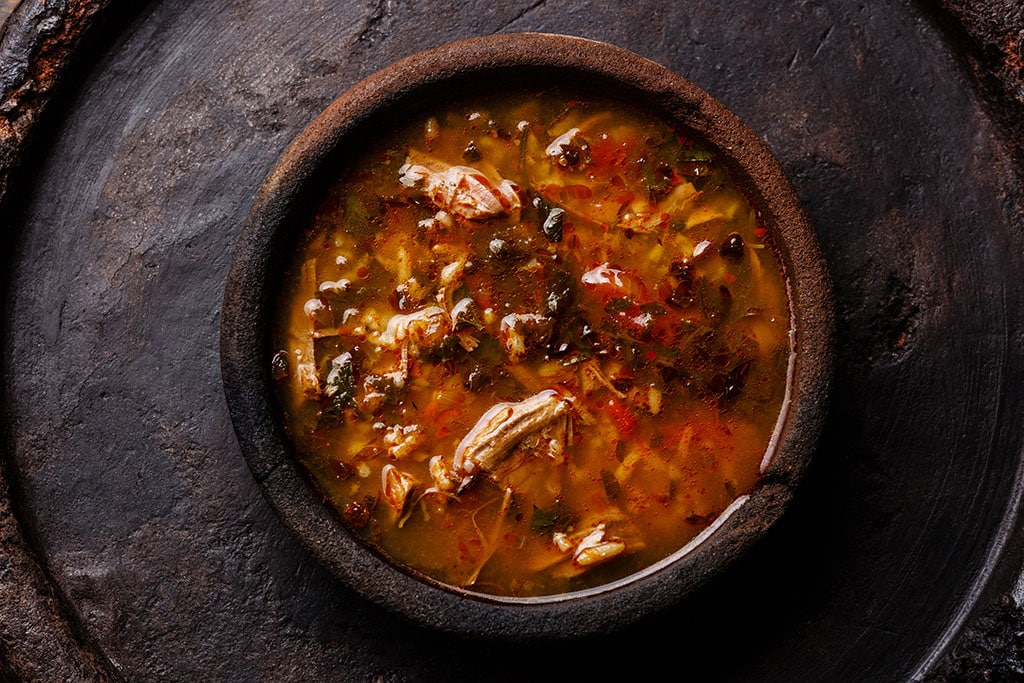
- Lobio is a red bean dish served both as a thick soup and as a main course: its texture is like a moderately thick porridge. Plenty of herbs and onion, as well as garlic and walnuts, are added to lobio.
Georgian cheeses
Cheese is an essential part of the Georgian table. It is eaten for breakfast, lunch and dinner, and no feast goes without it.
-
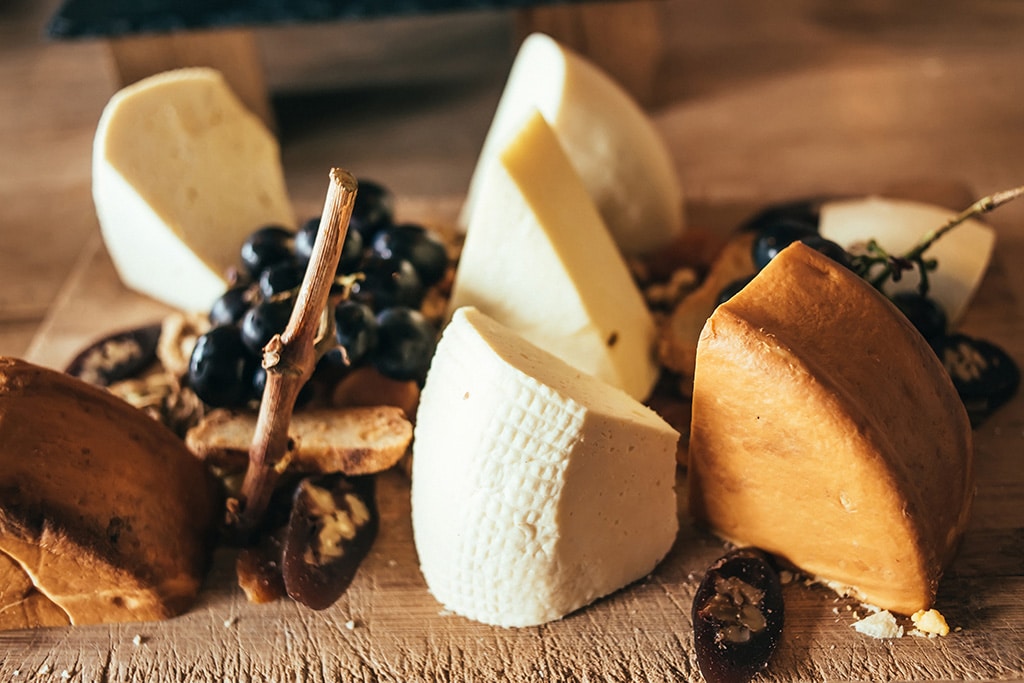
- Sulguni is an exquisite cheese, a cut above ordinary ones. Fresh sulguni is soft, looks as if it is woven from thin sheets of cheese, and milk runs out when you press a cut head.
-
- Ordinary Imeretian cheese is a young cheese. It is eaten with mchadi and bread, used in all kinds of khachapuri and added to ghomi.
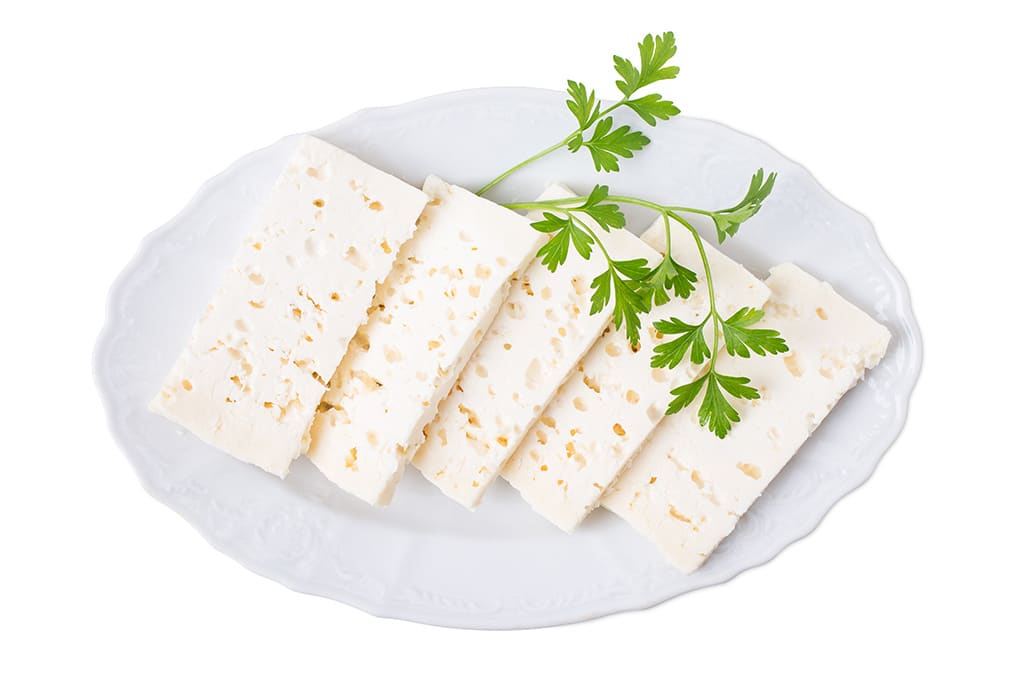
- Braided (twisted) cheese is made only in highland Adjara. It is special because it is almost fat-free and has a light, distinctive smell.
Georgian sauces
- Where others use ketchup or mayonnaise as a sauce, a real Georgian uses tkemali. This sauce is based on tkemali (a sour plum), garlic, pepper and herbs.
-
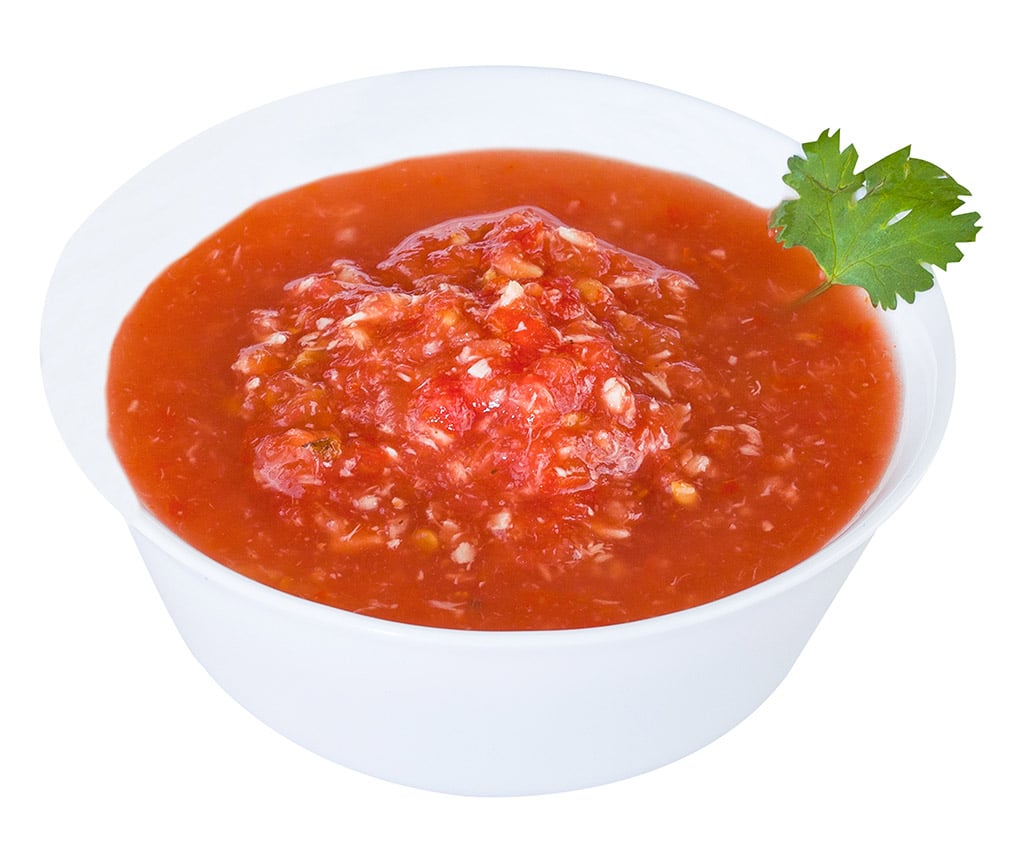
- Classic Georgian adjika is made without tomatoes and keeps for years once opened. There are also versions with tomatoes, which make it a bit milder. Real adjika is made from sweet red pepper and hot chilli.
-
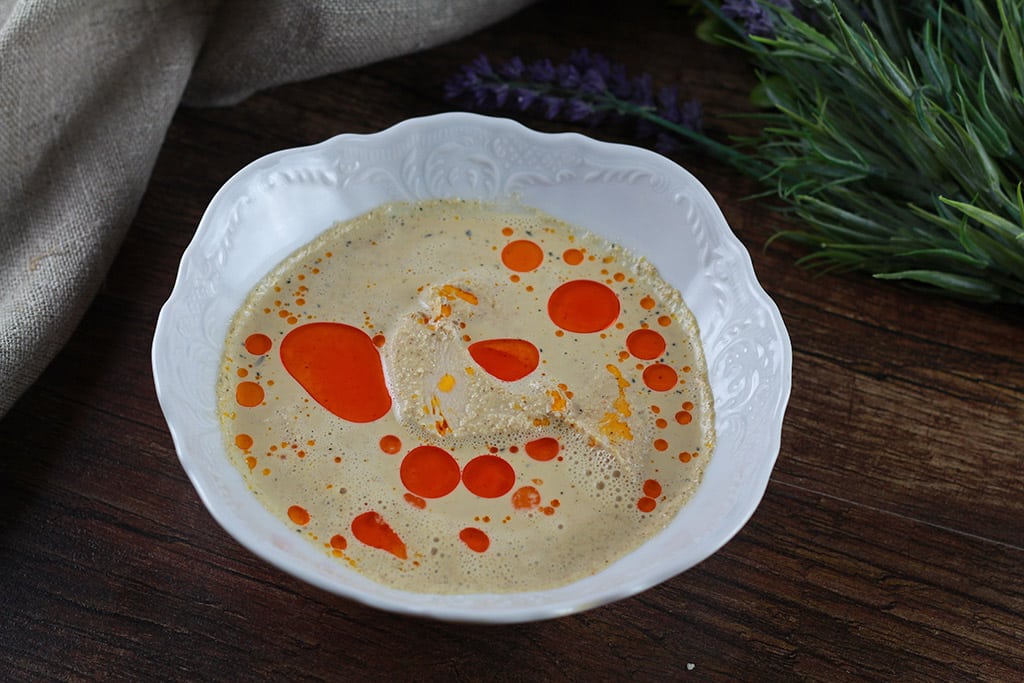
- Bazhe sauce is made from walnuts with garlic and spices. It is served with chicken, turkey and fish.
Georgian desserts and sweets
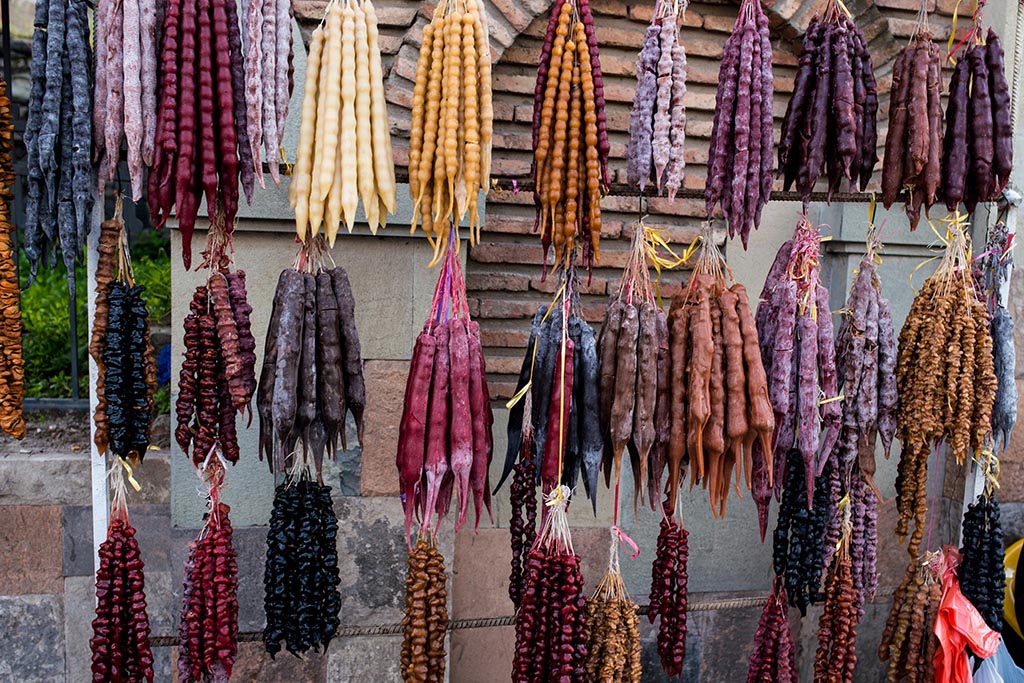
Perhaps the most famous Georgian dessert is churchkhela. It is made from natural ingredients at harvest time. Nuts are threaded on a string and dipped into tatara (a thick mixture of pure grape juice and corn or wheat flour). There are as many kinds of churchkhela as there are grape varieties in Georgia.
The grape juice mixture itself, thickened with corn flour, is called pelamushi. It is served cold and looks like jelly, but tastes nothing like it.
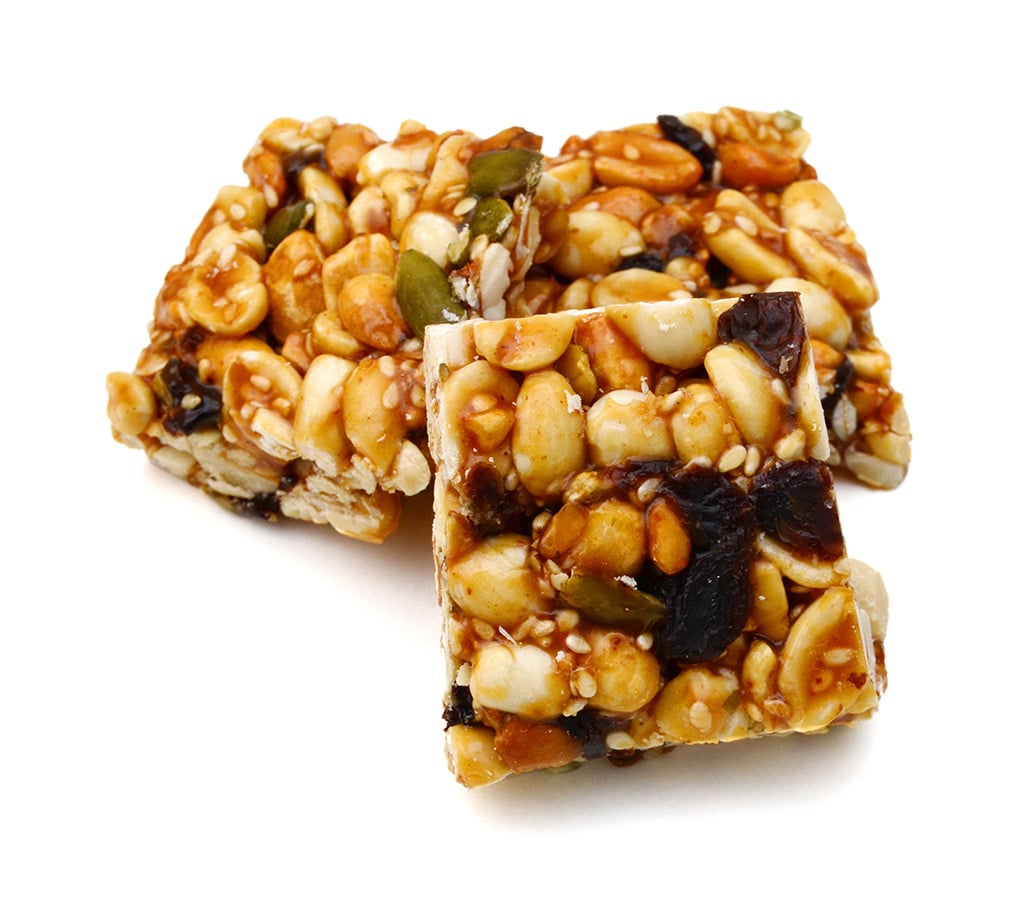
Gozinaki also come from Georgia: walnuts or shelled seeds set in thick honey. Gozinaki are usually made for Christmas, with the whole mixture laid between two layers of wafers.
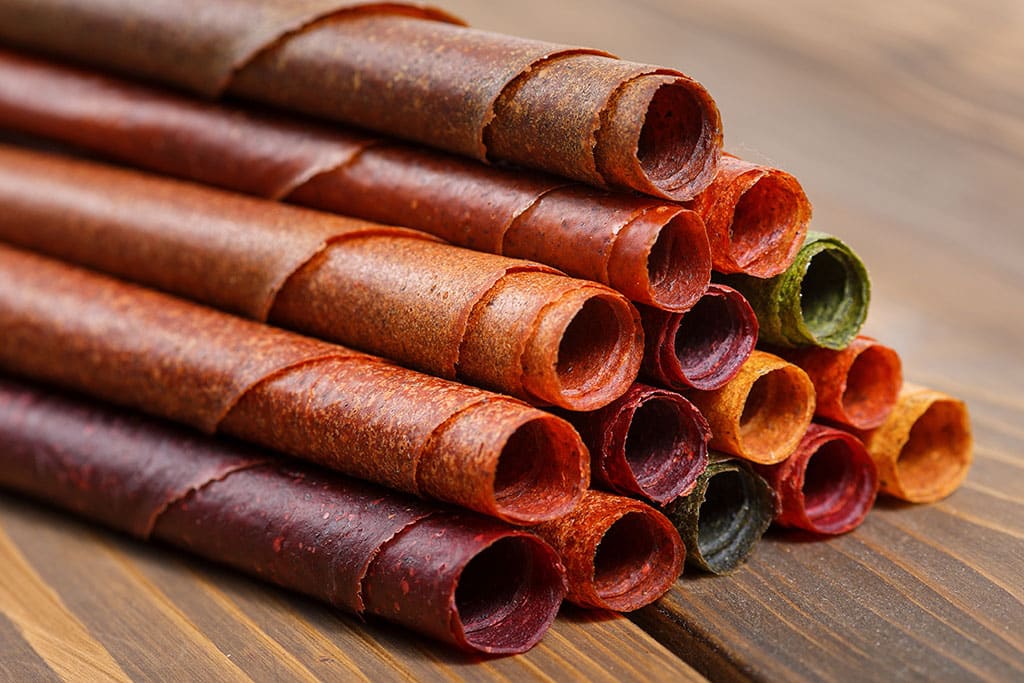
Also worth mentioning is tklapi, a fruit leather. Its unusual, slightly sour taste is loved by adults and children alike. Unlike ordinary pastila, the mixture is spread in a very thin layer and thoroughly dried.
Well, now you know the main delights and surprises of Georgian cuisine. It is time to go to this unique country and taste everything described above.
Georgian cuisine FAQ
What should I try first in Georgia?
Adjarian khachapuri, khinkali, pkhali, mtsvadi, chkmeruli, kharcho and churchkhela. That is the base from which it is easiest to start getting to know Georgian cuisine.
How do you eat khinkali properly?
With your hands. Bite into the side, drink the broth, then eat the filling and the dough. The top is usually left on the plate; that is how everyone counts who ate how many.
How is Adjarian khachapuri different from the others?
It is the only open khachapuri: boat-shaped dough filled with cheese, butter and egg. All the other khachapuri are closed pies with cheese inside.
What can a vegetarian eat in Georgia?
Pkhali, badrijani, lobio, ajapsandali, mushrooms baked in ketsi, khachapuri, cheeses and plenty of fresh herbs and vegetables.
Read also: The best Adjarian khachapuri in Batumi, Adjara: top 30 attractions near Batumi.

My name is Vitaly Kibitlevsky, I am a tour guide and creator of unique quests in Batumi. If you want to walk around the city with a fascinating storyteller or plunge into an exciting adventure, write to the mail: vitkibit@gmail.com
Find out more about me and my projects here